Where to Sleep in Tbilisi.
From merchant mansions to Soviet relics — a cinema-mad architect’s fantasy in between — these five hotels capture Tbilisi’s gift for reinvention.
Compact, ancient and dizzyingly rich, as if someone took Switzerland and seasoned it with Budapest, Athens and Istanbul, Georgia has rarely been left to itself. Squeezed for centuries between rival empires, it’s worn that history without losing its shine — and nowhere more so than its capital.
Tbilisi — the Paris of the Caucasus — is a cosmopolitan tapestry, with Persian bathhouses, Belle Époque facades and Soviet Brutalist piles rubbing shoulders with medieval churches and Art Nouveau. Add a wine bar or bookshop on every corner and you have a city brimming with stories: with its alphabet protected by UNESCO, Georgia boasts a proud literary heritage and was the birthplace of wine some 8,000 years ago. I’m yet to meet a traveller who wasn’t seduced.

I walked down Rustaveli Avenue on my first afternoon in Tbilisi, past handsome buildings, secondhand book stalls and youngsters dressed in black, before settling into a wine bar just off Freedom Square. The waitress poured me a 2019 Begaso Kisi, made from a Kakhetian variety that was nearly wiped out under Soviet rule. I’d never seen or tasted anything like it: the colour of Oloroso sherry, it was the blue cheese of amber wine — deep structure and velvety tannins, with apricot and dried fruit, grippy and smoky.
Tbilisi’s hotels are a bit like the Kisi grape. Buildings once written off, left to sit, and brought back with unexpected depth.
And like Georgian amber wine, eight millennia in the making, Tbilisi is best discovered slowly. Use this guide to find your own way in — or join me this September for The Pursuit Of Georgia, my small-group tour through the Caucasus.
Unfound Door
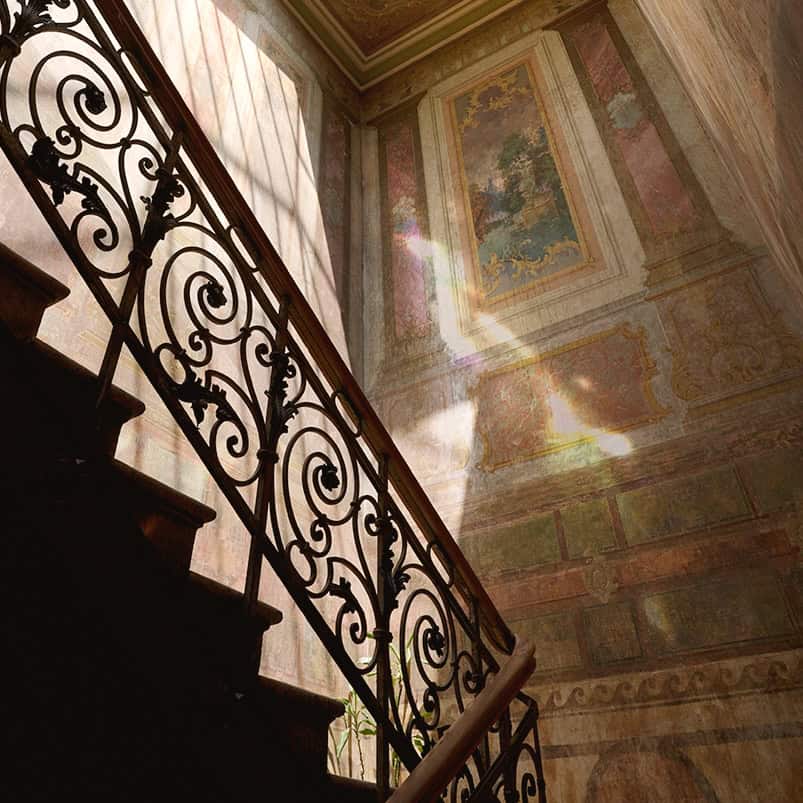
Chugureti began life as a German settlement after Catherine the Great opened the Russian Empire, including Georgia, to migrants from central Europe. It’s home to some of Tbilisi’s finest architecture, including this 19th-century haute-bourgeois mansion, reimagined as the 13-room hotel Unfound Door.
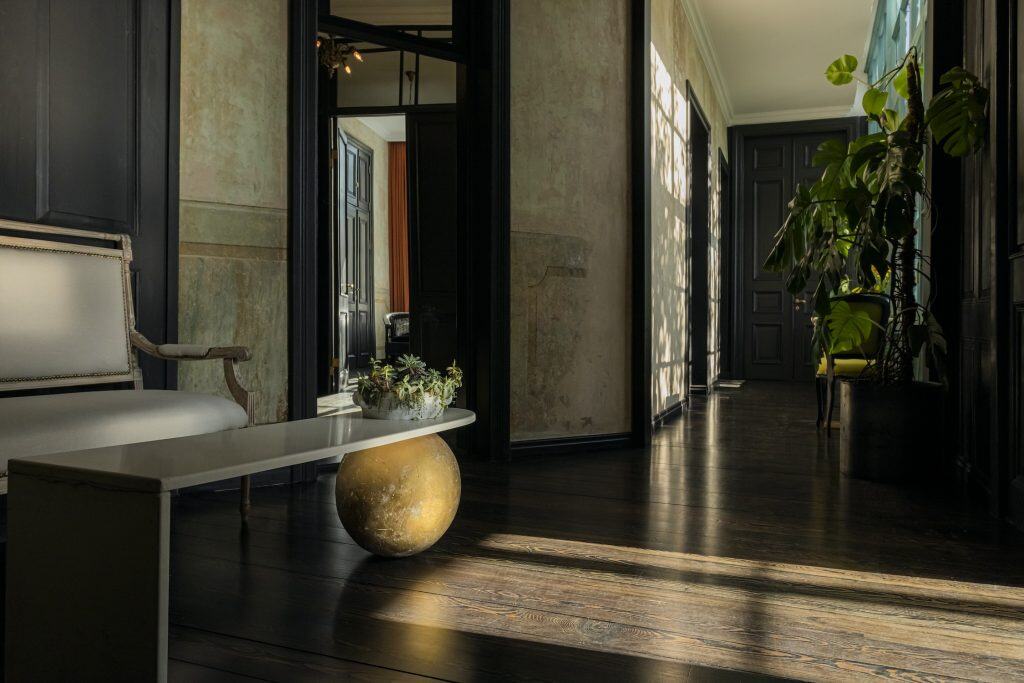
You’d stay here for the staircase alone, a sweeping piece of trompe l’œil theatre. High ceilings, original parquet, exposed brick and stripped-back plaster play backdrop to rooms mixing antique and contemporary, with traditional joinery, mirrored skirting boards and modern art.
Built in the late 1800s for a wealthy merchant from Baku, the mansion lived many lives, including long years of Soviet-era neglect. In 2017, four friends — Nikoloz Mamardashvili, Nikoloz Pirtskhalashvili, Lasha Lemonjava and Merab Mirziashvili — went looking for a restoration project that could showcase the city’s polyglot past. The dilapidated mansion fit the bill its Belle Époque murals hidden beneath layers of institutional green paint. A two-year restoration followed, supported by City Hall, the local council and the Tbilisi Development Fund. Back to its former glory, Unfound Door channels the spirit of Mitteleuropa, with hopes it’ll be the first of many such revivals across the city’s historic stock.
Colours — pistachio, Pompeii red, Prussian blue — give each room its own identity, set off by salmon-hued stripped plaster, matt-black joinery and curtains in off-white or burnt orange. They vary in layout and decoration, from compact Doubles (20–25 square metres) to the King Suite with Balcony (49 square metres) and Two Bedroom Suite (77 square metres). Minibars and coffee machines are standard, but it’s the lighting, cloud-like beds and offbeat details that linger. My Junior Suite (35 square metres) came with a separate sitting-cum-dressing room — Directoire armchairs, a window seat and the perfect outlook for long spells of neighbourhood-gazing.
The real draw is the restaurant — so much so I ate nowhere else for three days. Flooded with light from its corner position, it spans a salon with cocktail bar and dining room beyond, all original parquet, palimpsest walls and fin de siècle furniture, sharpened with slick lighting and mirrored skirting boards. The menu threads European and Georgian traditions: chvishtari (Svaneti’s cheese-filled cornbread) with whipped cream and pear, lemony chikhirtma soup, cauliflower steak with shiitake béchamel, and apkhazura — pomegranate-bright meatballs — backed by a stellar list of Georgian natural wines that draws as many locals as guests.
A small first-floor reception is always staffed, and though there’s no lift, staff are quick to help with luggage on the stairs. In the restaurant, service is superb. The warm, switched-on team is happy to talk you through the menu, Georgian natural wine, or the wider pleasures of Tbilisi.
From US$90/night. To book your room, go to: Unfound Door.
Blueberry Nights
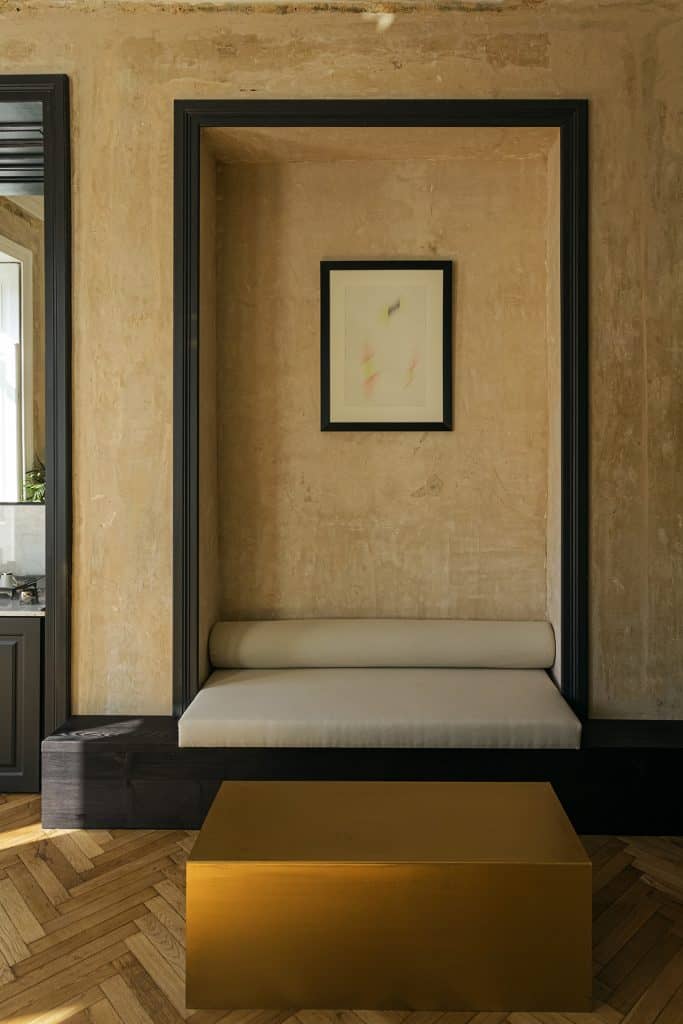
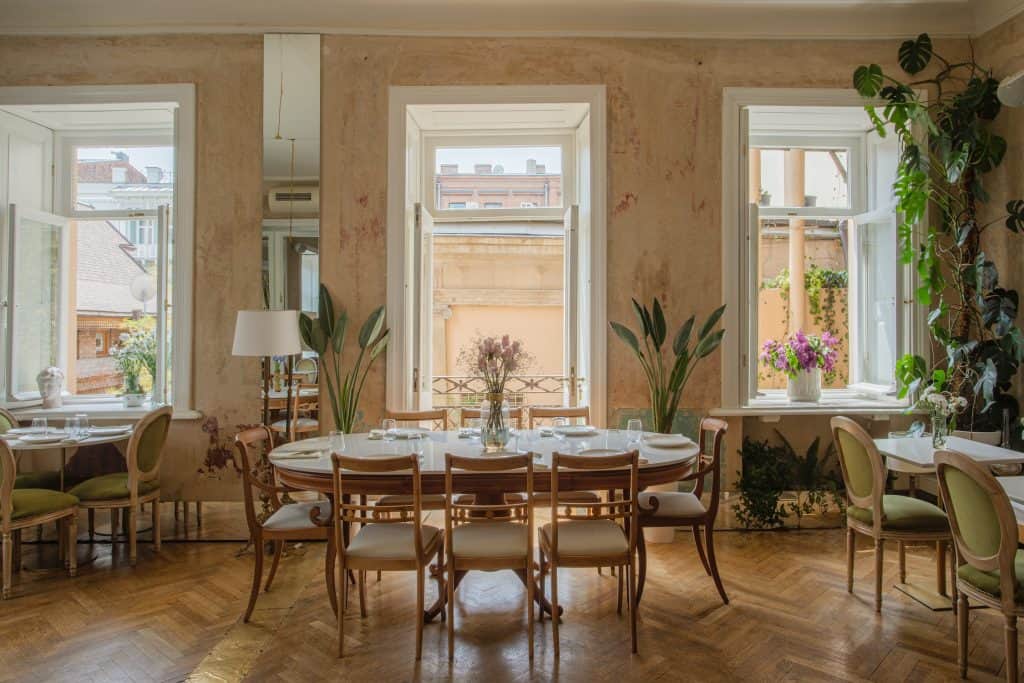
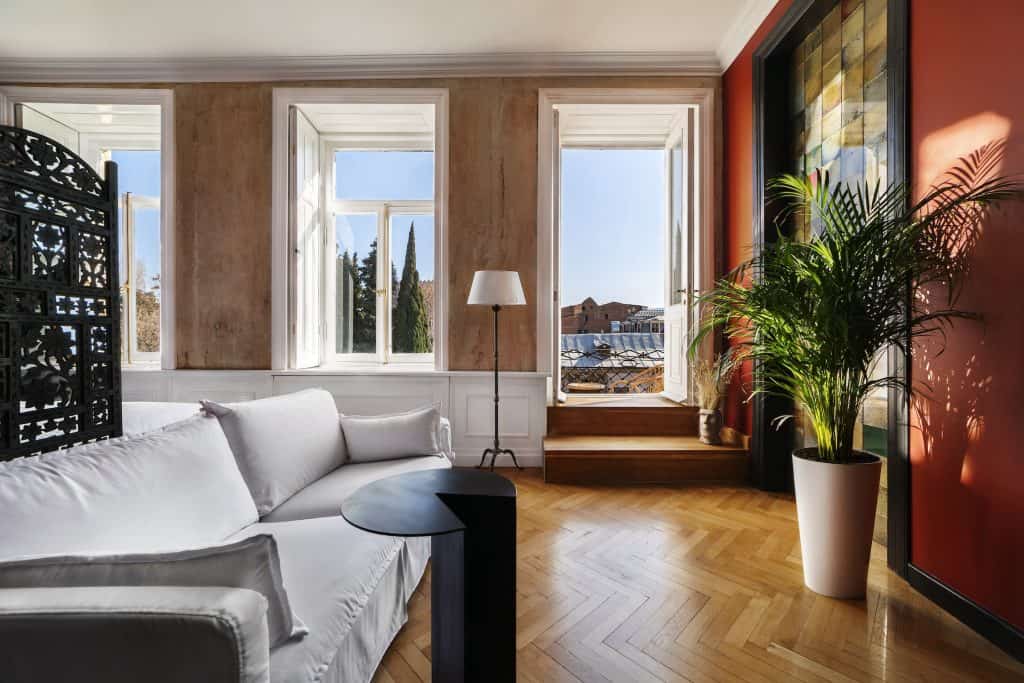
The secret setting of Blueberry Nights hides behind the courtyard of restobar Lolita in Vera, Tbilisi’s coolest neighbourhood. It’s a brief stroll to Rustaveli Avenue and Tbilisi’s best cafes, restaurants and galleries. Hidden, but a destination in its own right, this 16-key bolthole is a world of cinematic fantasy, each room doubling as a movie theatre.
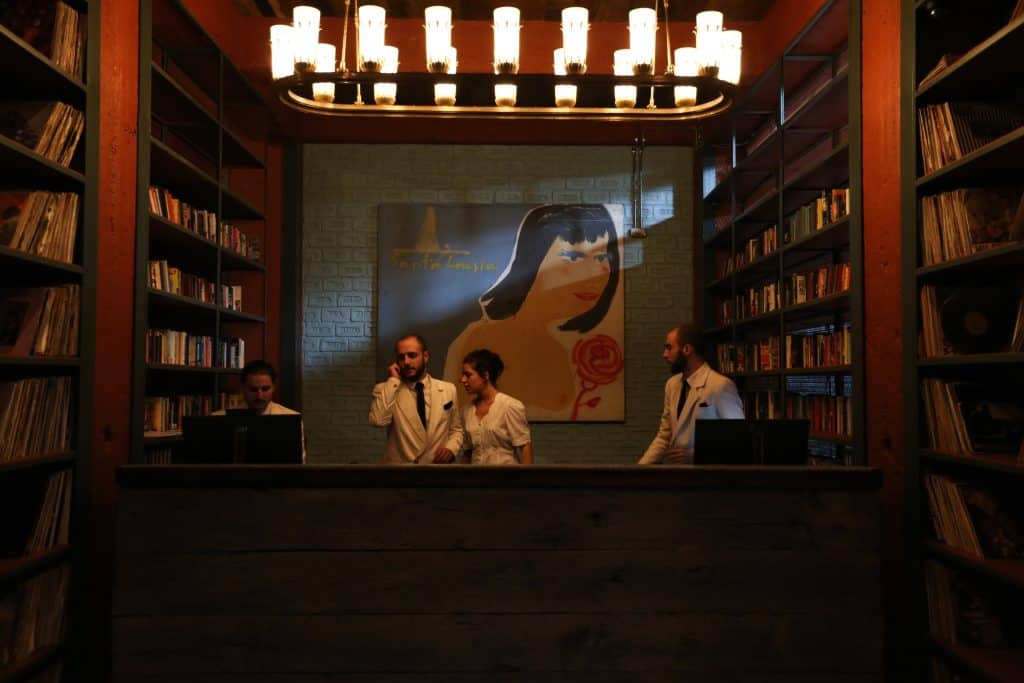
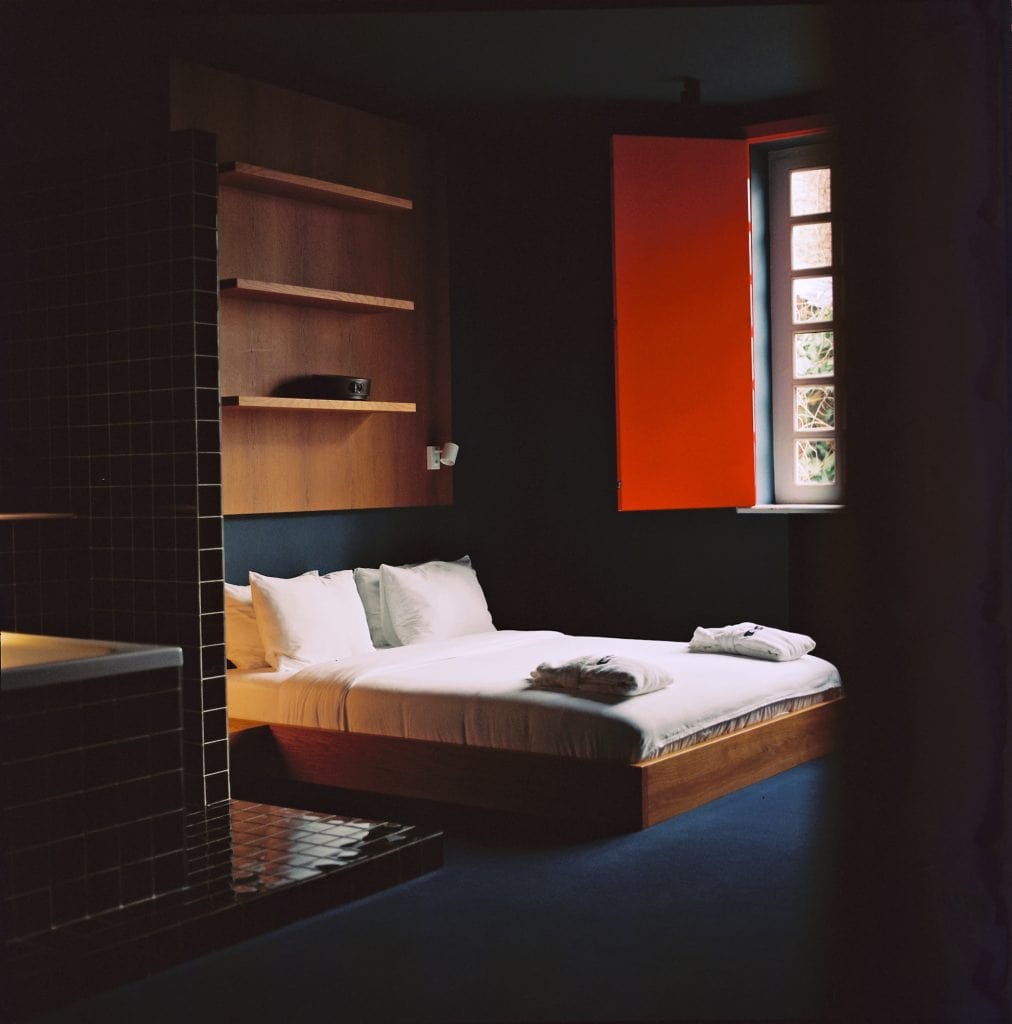
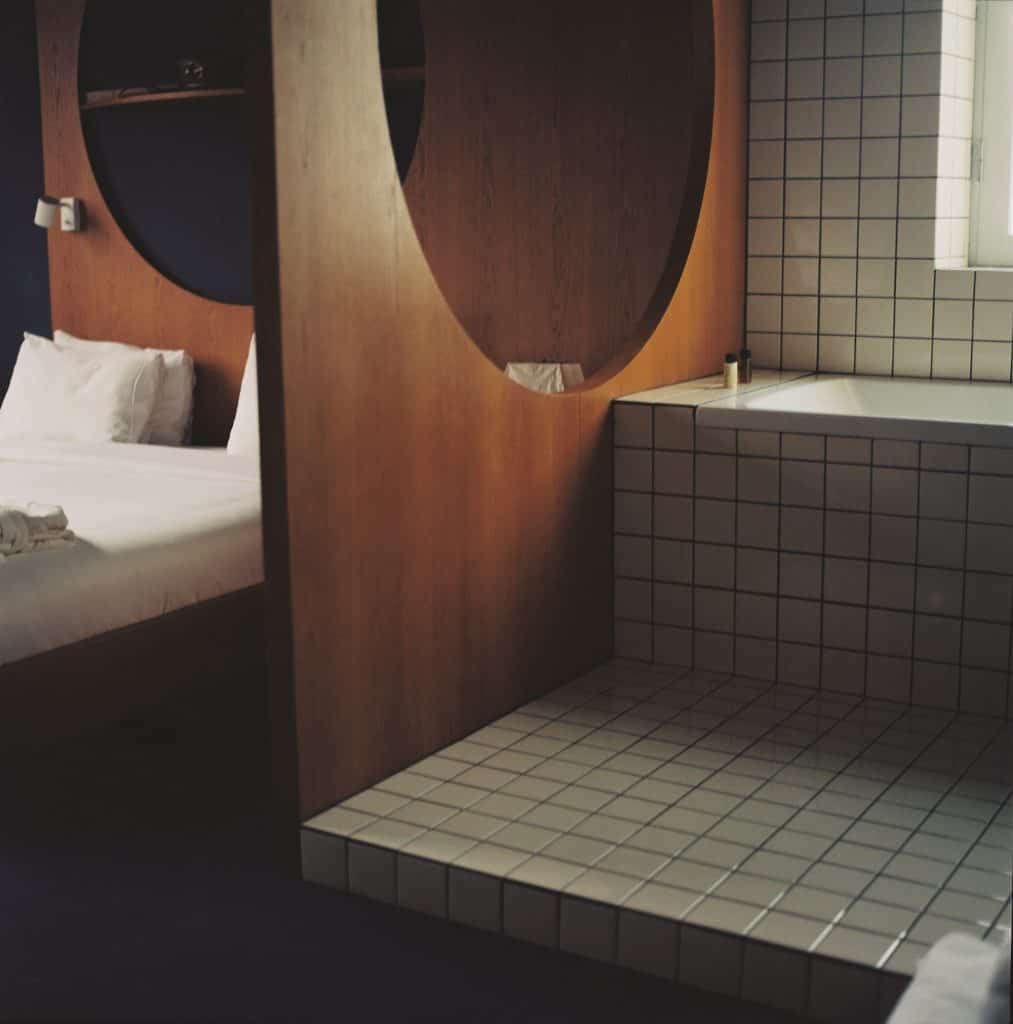
The dark-blue ground-floor lobby resembles a cinema foyer, staff in sailor suits echoing old-school Tbilisi ushers. Upstairs, rooms channel Lynch and Kubrick: square-tiled bathrooms, walnut dividers with circle cutouts, Noguchi-style lanterns and Pierre Jeanneret armchairs, all clean lines and midcentury cool. There are no TVs — just smart projectors built into the headboards, streaming Mubi and Netflix onto the wall. An atmospheric base to explore the city, or to hunker down with a lover.
Taking its name from the 2007 film by Wong Kar-Wai, Blueberry Nights is the brainchild of Sandro Takaishvili — architect, photographer, filmmaker and DJ — who poured a lifelong love of cinema into its making. He describes the design as the sum of everything he’s watched, wanting guests to feel like they’ve stepped into a film, where everything is at once familiar and surreal.
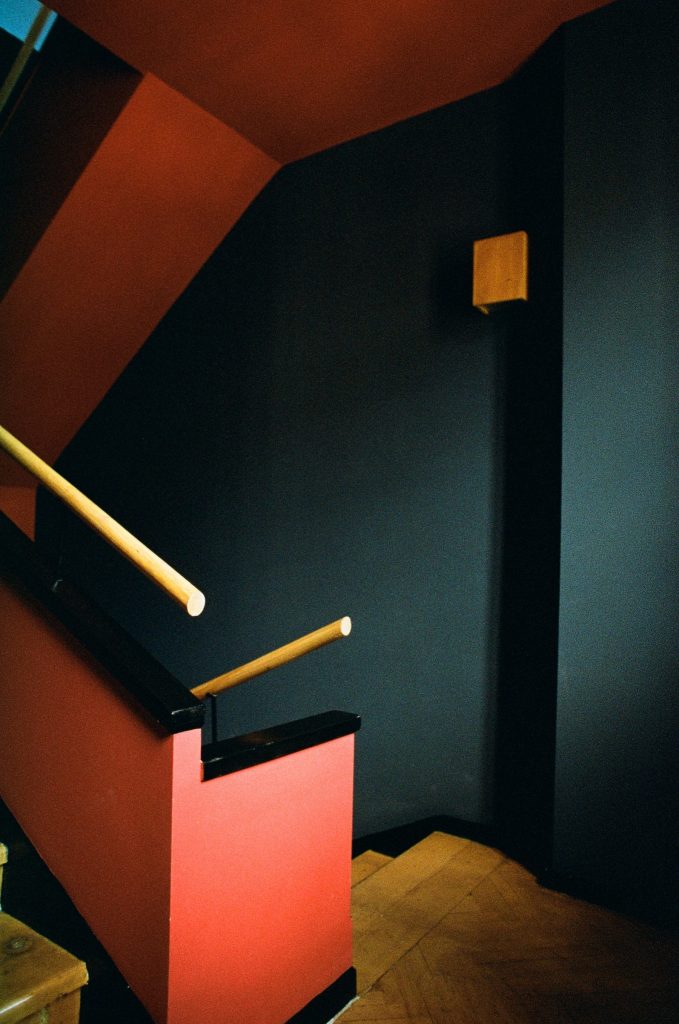

Guest rooms are individually designed, each with a long desk and chair, low-slung bed and cube-like open bathroom, plus a minibar, turntable and a selection of vinyl chosen room by room by the music-loving Takaishvili. The floor, ceiling and walls are dark blue throughout, except the wall facing the bed — painted white as the screen for the projector.
The lobby doubles as a library of art books and vinyl, with low daybeds channelling Charlotte Perriand. No F&B outlets but reception adjoins the courtyard of neighbourhood hotspot Lolita, open all day for breakfast, lunch, dinner and cocktails — happy to send anything up to your room too.
From booking onward, the crew are a delight — young, friendly and on hand around the clock, to fetch a takeaway coffee or give tips on Tbilisi’s sights. Craving a cheeseburger and a shot of chacha at 2am? Call reception and it’ll arrive at your door. You won’t even have to hit pause.
Double rooms from US$105/night. To book, go to: Blueberry Nights.

Rooms Tbilisi
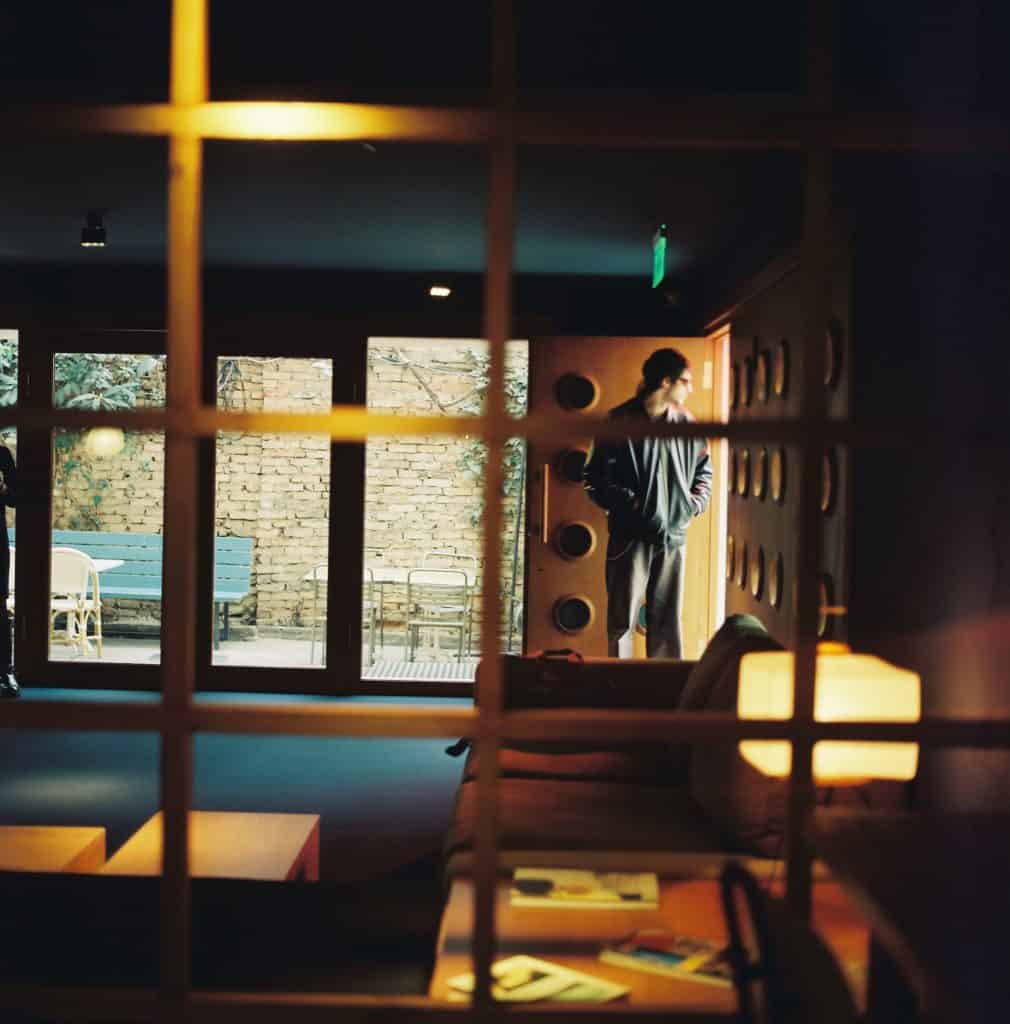
Rooms Tbilisi has set the benchmark for the city’s creative renaissance since opening its doors in 2014. Set within a former Soviet publishing house, interiors are a Georgian take on 1930s New York, with high ceilings, industrial windows, richly patterned tiles, aged leather and jewel-toned velvet. Provincial farmhouse tables sit against Fortuny-esque wallpaper, Edwardian armchairs and low-slung sofas, with rough-hewn timber walls, floors and ceilings tying it together. Also located in Vera, it’s a short hop to grand galleries and theatres and the city’s best cafes, bars and restaurants.
You’d never know, walking Tbilisi’s streets, how grim things were not that long ago. Locals will tell you about the dark post-Soviet years — Georgia received just 85,000 international visitors in 1995, compared to 9.4 million in 2019, with 2008’s ‘August War’ in between, when Russia seized around 20% of the country’s territory.
Against that backdrop, the rise of hospitality group Adjara is remarkable. In 2010, owner Temur Ugulava brought Holiday Inn to Tbilisi — a familiar brand to build trust when few were visiting. The real breakthrough came in 2011, with an abandoned Soviet-era sanatorium in the Caucasus, reborn as Rooms Kazbegi and launching the Rooms brand. Tbilisi followed in 2014, then Rooms Kokhta and Batumi. Other properties include restobar Lolita, the hostel Fabrika and flagship hotel Stamba — a portfolio that tells its own story of the city’s turnaround.
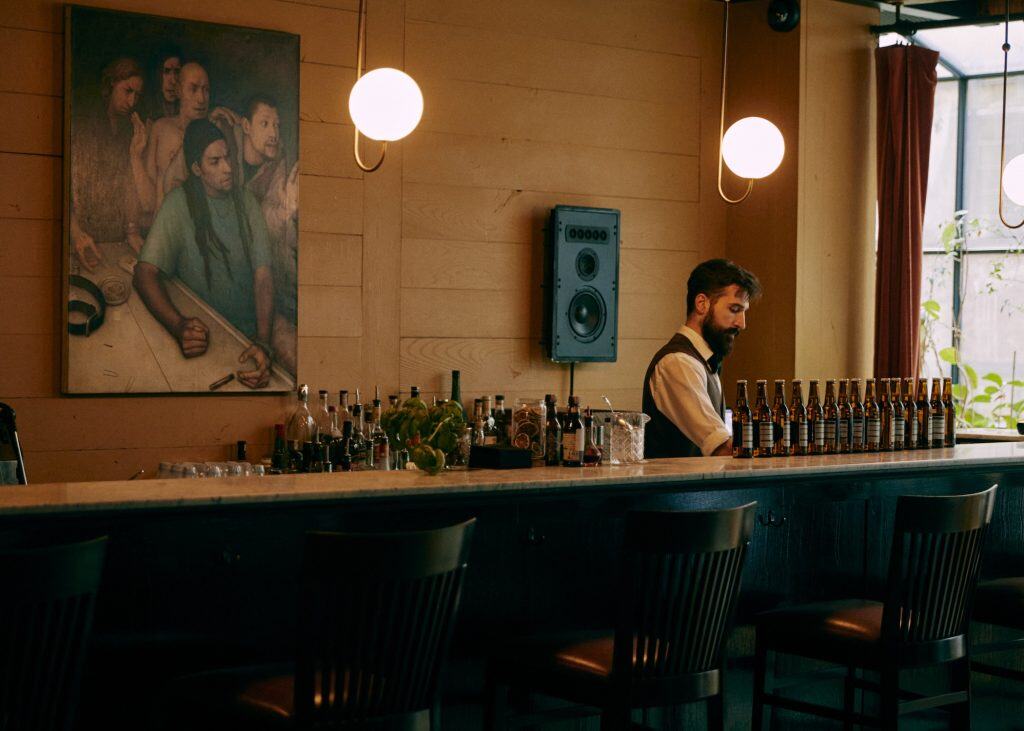
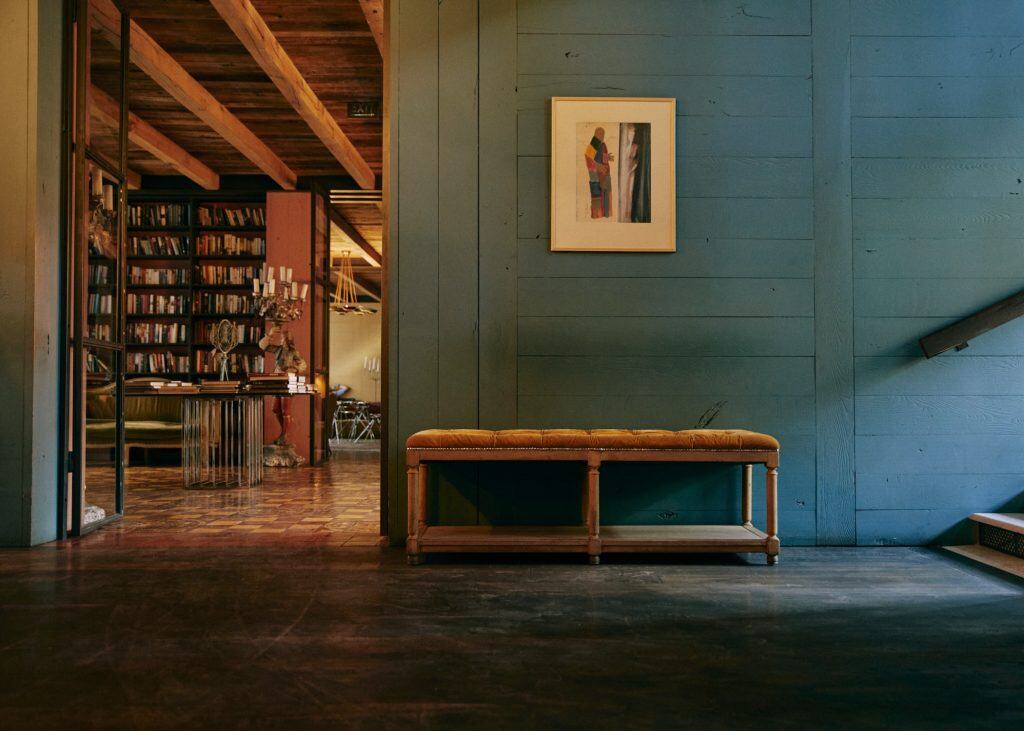
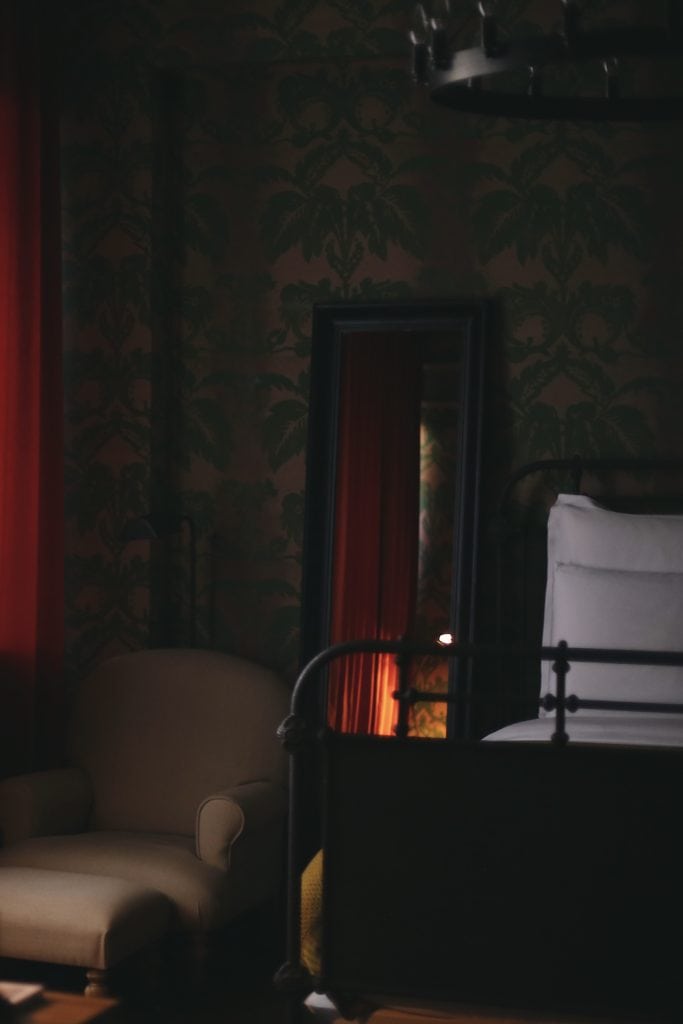
Rooms’ 122 guest rooms overlook Chovelidze Street or the courtyard garden, many with custom-made patterned wallpaper, wide-plank floors, leather headboards and rustic chandeliers. Even the smallest Urban Queen room (22 square metres) comes with a proper writing desk. The Signature King and Terrace King rooms (32–34 square metres) have claw-foot soaking tubs, while the Terrace Suite (97 square metres) adds a separate living room, antique desk and a terrace running the length of the space. All rooms come with Marshall speakers, rain showers and refillable Prija toiletries.
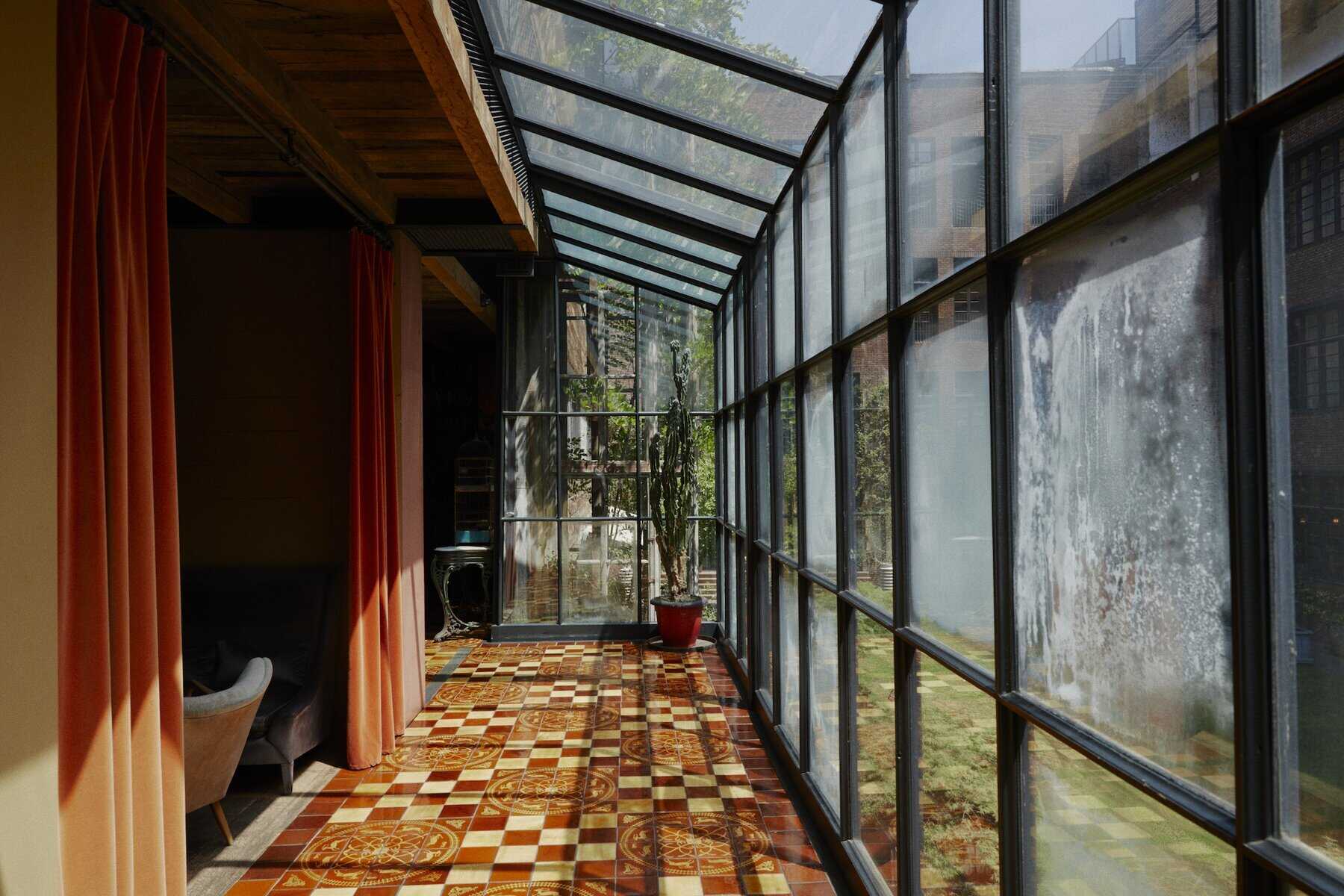
Warm, club-like spaces fill the ground floor. The main lounge has a stone fireplace, DJ station, velvet portières and ochre walls. The palette shifts to terracotta in the bar and forest green in the restaurant: Bistrot-style The Kitchen serves farm-to-table comfort food with a strong Georgian wine list. A glass atrium overlooks the courtyard and Garden Bar at the back of the building, framed by beautifully restored industrial architecture. Out front, a veranda looks onto Vera’s bars and boutiques.
Double rooms from US$/night. To book, go to: Rooms Tbilisi.
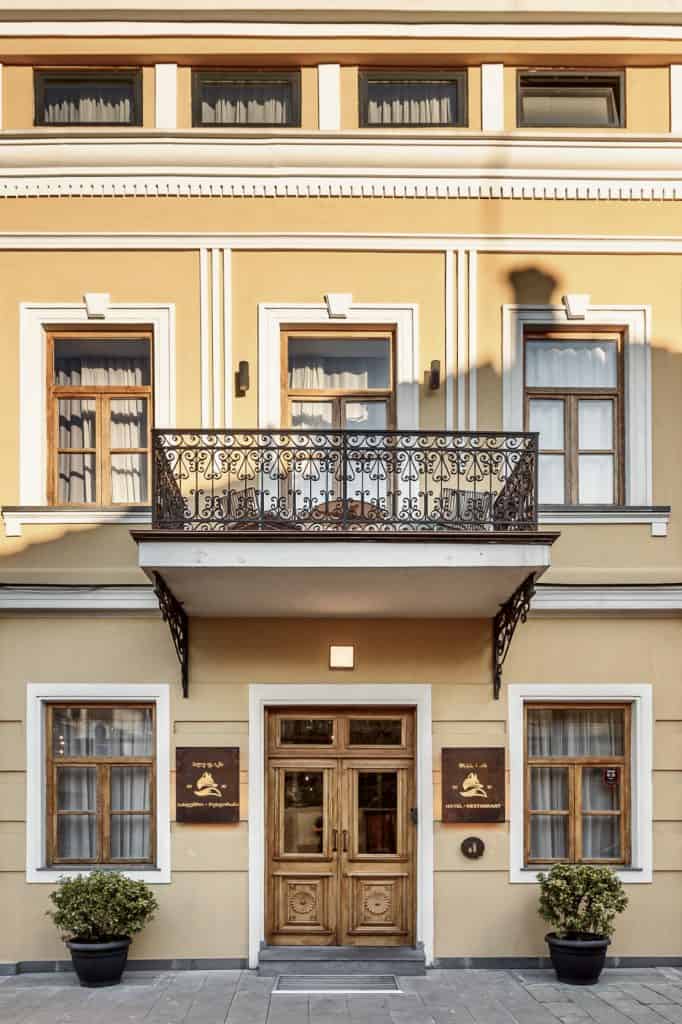
The Blue Fox Hotel
Tbilisi has been destroyed and rebuilt 29 times over the centuries, but the Kala quarter still feels close to medieval — a patchwork of winding streets and silk-road-pretty houses climbing toward Narikala Fortress. The Blue Fox Hotel occupies a historic mansion on Chakhrukhadze Street, around the corner from the 6th-century Anchiskhati Basilica, the city’s oldest church.
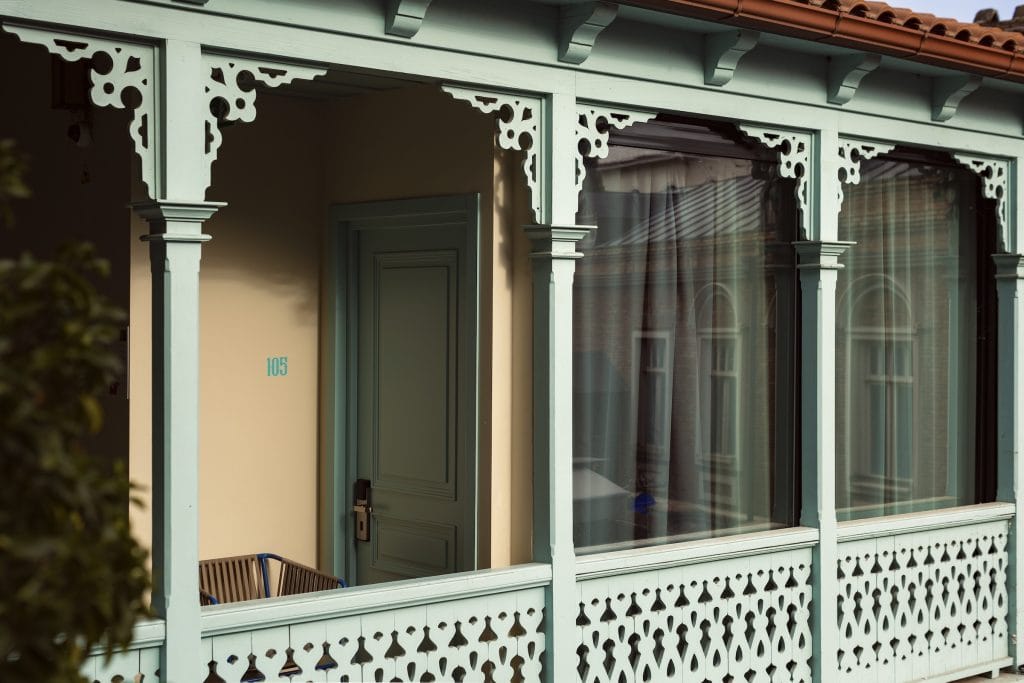
The building’s elegant Neoclassical facade turns into something more rustic at the back, where carved-timber balconies overlook a courtyard with the feel of a caravanserai. It’s hard to believe the building was once slated for demolition. Original detail is scarce inside, but Caucasian rugs and bold murals give the Blue Fox plenty of character.
The hotel takes its name from the silver fox — aka the blue fox — a rare symbol of luck and curiosity in the Caucasus. InIt was built by a wealthy 17th-century merchant on the grounds of an older Persian palace, once surrounded by churches, mosques and, according to the hotel’s manager, 86 public baths. When Agha Mohammad Khan invaded Tbilisi in the late 18th century, the palace was destroyed but the mansion survived.
While the Neoclassical touches came later, the carved timber balconies speak to the building’s 17th-century origins. Jemal Inaishvili, a leading figure in Georgian commerce and the arts, bought the property in 2018; a three-year renovation followed, and the hotel opened its doors in July 2022.
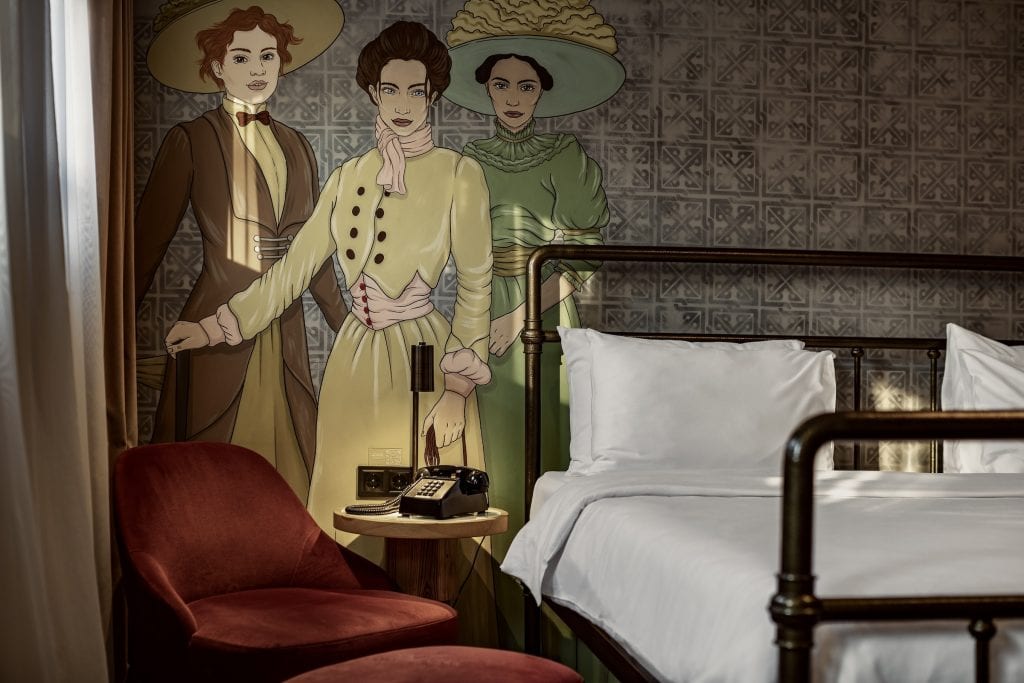
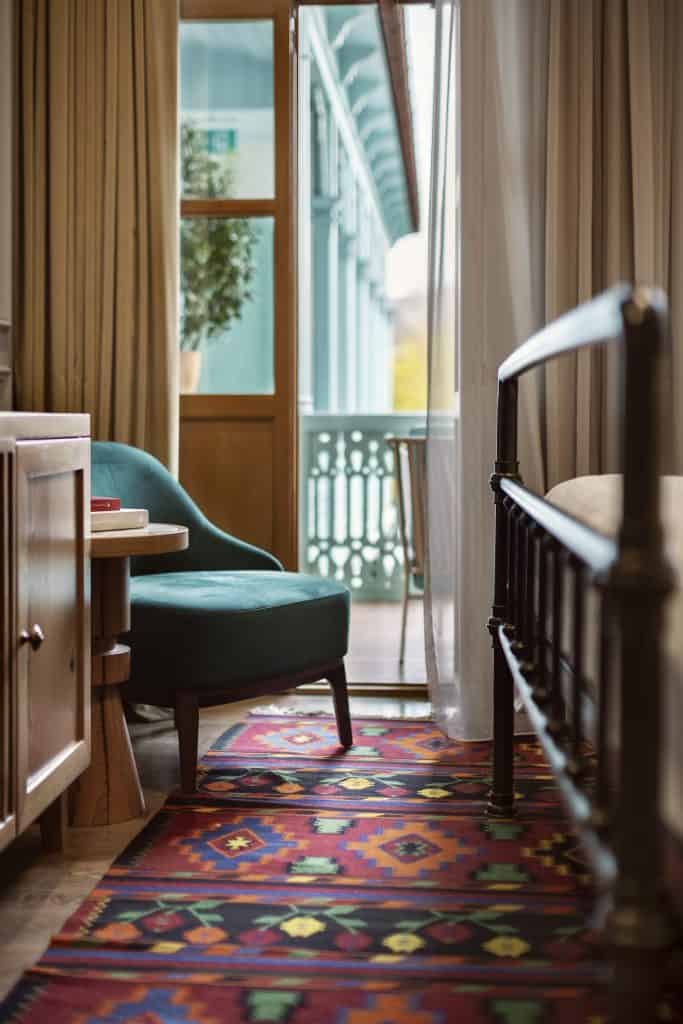
Seventeen guest rooms feature timber floors, Caucasian kilims, brass beds and striking murals by Tbilisi artist Musya Qeburia, each depicting folkloric figures from Georgia’s past — musicians in traditional dress in one room, a medieval female freedom fighter with shield and dagger in the next. Rooms range from 20–30 square metres, many with balconies and knockout views. All have modern bathrooms with rain showers and luxurious Prija toiletries in refillable bottles.
The lower-ground floor houses the Blue Fox restaurant and bar, its menu of international dishes with local twists designed by Michelin-starred chef Jaume Puigdengolas. A roster of hearty Georgian classics, too, from the gebzhalia salad to khachapuri, the national dish of cheese-filled bread, and mtsvadi — skewered, grilled meat with green adjika and tone oven bread.
Beneath the restaurant, 400-year-old Persian-era cellars store wine from the owner’s vineyard in Kakheti. The courtyard is the heart of the hotel — perfect for breakfast, sunset cocktails or suppers of charcoal-grilled meats, often with live music.
Service with a smile, from manager Veriko and her tight-knit team at reception to the friendly, knowledgeable crew in the restaurant, bar and courtyard — happy to help with anything from Old Town tips to the perfect glass of Georgian wine.
Double rooms from US$95/night.To book, go to: Design Hotels.
Stamba
Stamba occupies half of a vast Soviet-era publishing house in Vera — a Brutalist corner block shared with sister hotel Rooms Tbilisi. It fronts the vibrant Merab Kostava Street, a short walk from Rustaveli Avenue, Freedom Square and the Old Town. With its own design atelier, photography museum and chic Café Stamba, it’s part hotel, part culture quarter.
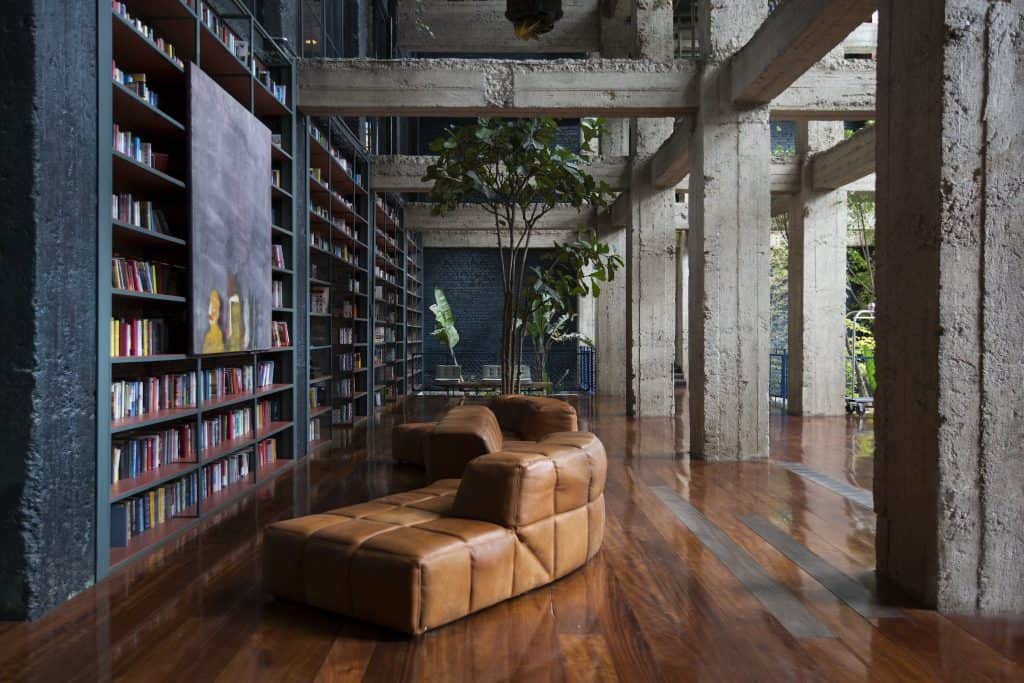
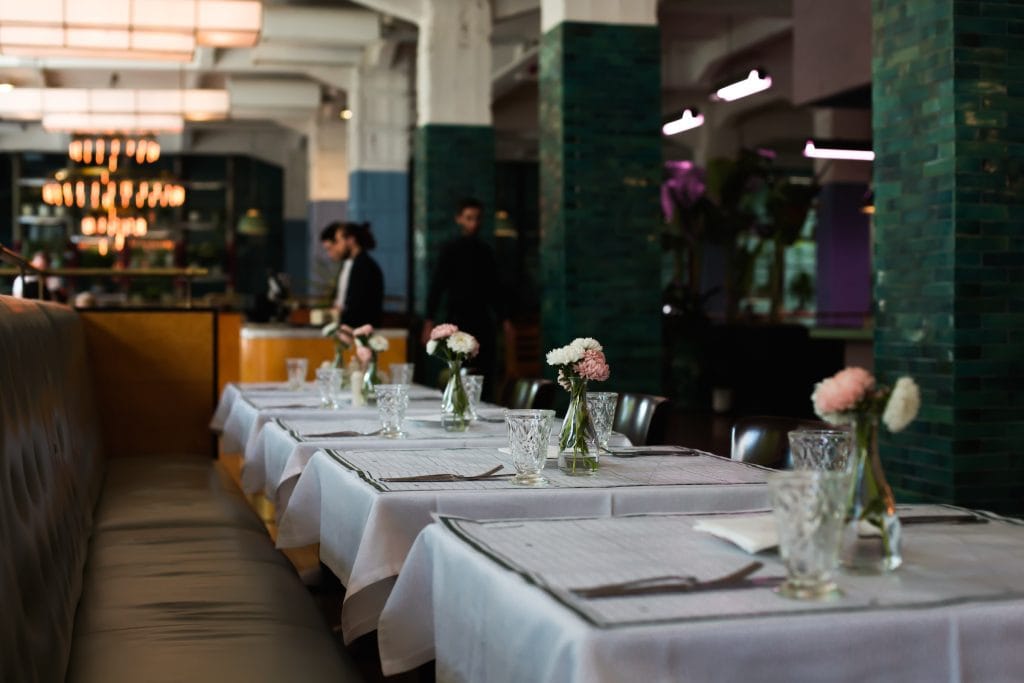
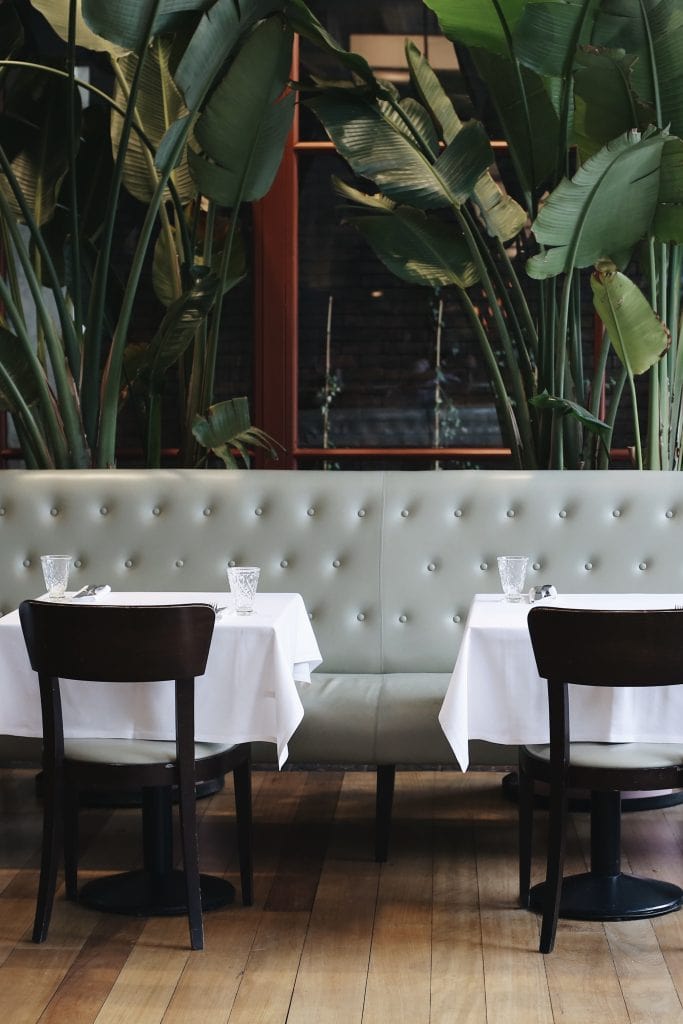
Inside, rough Brutalist bones meet swank, show-stopping interiors: rusted steel and raw concrete polished with panache. A wall of 84,000 books nods to the building’s printing-press past — many the kind once banned under Soviet rule. Café Stamba channels a lighter, Mitteleuropean grandeur; the Pink Bar reads like a scene from Wes Anderson. Upstairs, rooms have a seventies New York edge — the perfect crash pad after a night on the town.
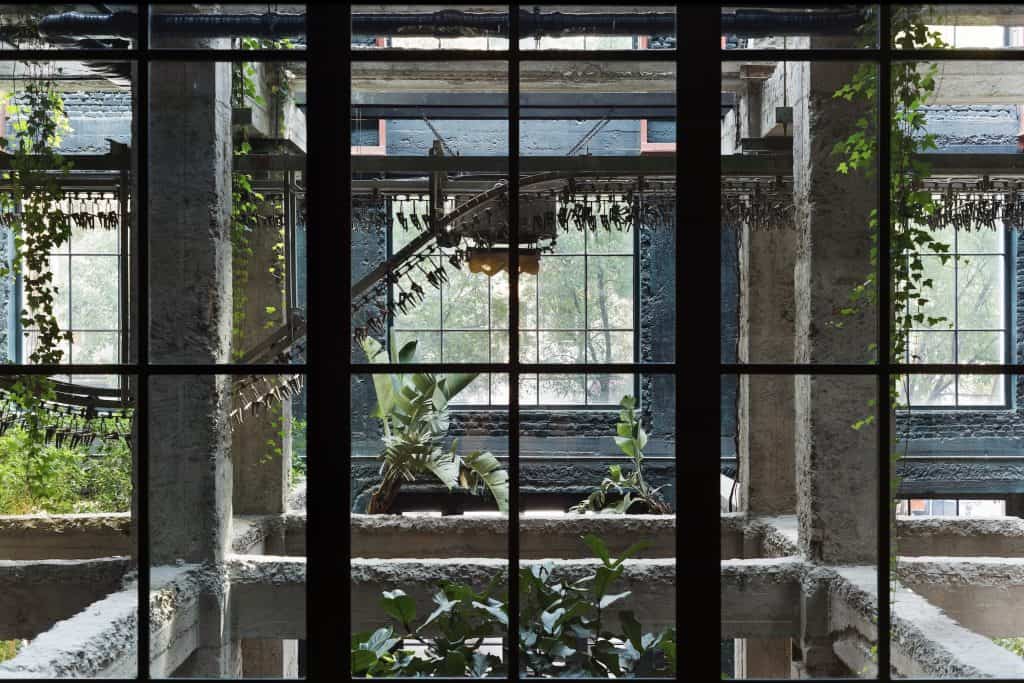
Tbilisi’s moniker as the ‘new Berlin’ might be down to legendary nightclub Bassiani, but it’s the trailblazers at Adjara, the group behind Stamba, that turned the city into a destination of cool. Stamba, opened in 2018, completed the picture Rooms Tbilisi began in this same Soviet publishing house four years earlier — and nowhere has played a bigger role in the city’s creative renaissance since. Adjara’s empire now spans Rooms outposts, the Fabrika hostel, hip restaurants and a regenerative farm in Kakheti, employing over 1,000 people.
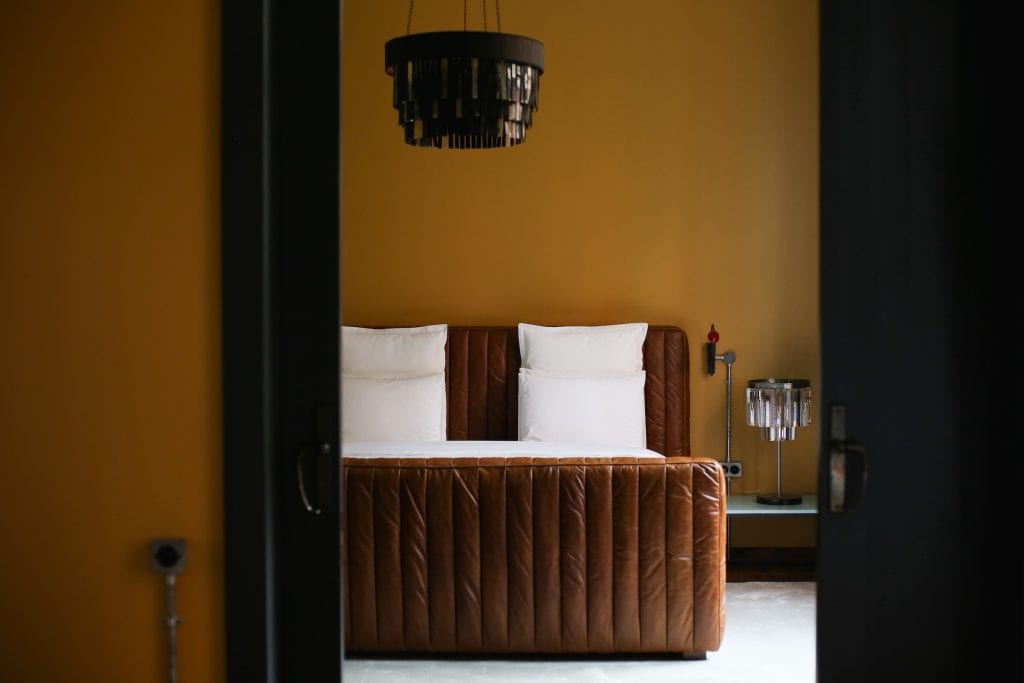
Stamba’s 62 rooms span five categories, 50 square metres and up. Aviator Rooms come with a plush sitting area; Aviator Signatures add freestanding brass tubs. Terrace Rooms have balconies, parquet floors and vinyl turntables, while Signature Terraces put the bathtub on the balcony. Two Aviator Suites (79 square metres) look onto the atrium’s stripped-back exoskeleton. All are kitted out with La Marzocco machines, McIntosh systems, books and art — each a world of its own.
Café Stamba and the Pink Bar are rounded out by a bakery, Georgia’s first ramen shop, and a Chocolaterie & Roastery sourcing beans from Venezuela, Madagascar, Peru and Colombia. Warehouse pours 400-plus natural wines; Udabno Shop sells farm produce; The Shop carries books, homewares and atelier-made clothing. D Block Workspace, cocktails on hand, is the lovechild of WeWork and Soho House.
The jewel is the Photography Museum, the country’s first independent platform for contemporary photography. At the centre, a garden courtyard and reclaimed-timber amphitheatre host shows, talks and workshops — reason alone to visit Tbilisi.
Double rooms from US$180/night. To book, go to: Stamba Hotel.
Photography: c/o Blueberry Nights, Rooms Tbilisi, Unfound Door, The Blue Fox, Stamba and Jason Mowen.