Long Weekend in Luang Prabang.
Gilded temples, Saffron-robed monks and a past that never quite left: three days in the old royal capital of Laos.
Appearing on the horizon like Shangri-La, Luang Prabang feels more legend than place. Ringed by mountains in northern Laos, the town sits where the Nam Khan River meets the Mekong: a narrow peninsula of gilded temples, crumbling French colonial houses and the remnants of a royal culture six centuries old.
It began with a scandal. In the 14th century, a Lao prince was exiled to Angkor after his father was caught with one of his grandfather’s wives. There he married a Khmer princess and, backed by his father-in-law, returned home with an army of men and elephants and founded the Lao kingdom of Lan Xang. He also brought with him Theravada Buddhism and the Phra Bang, the revered statue of the Buddha that gives Luang Prabang its name.
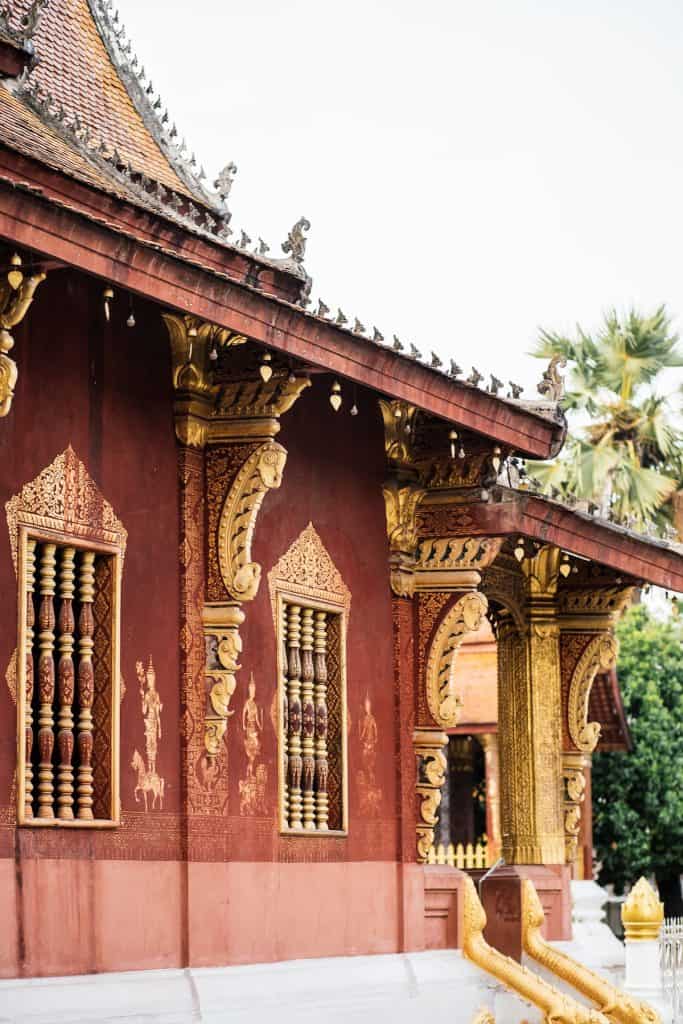
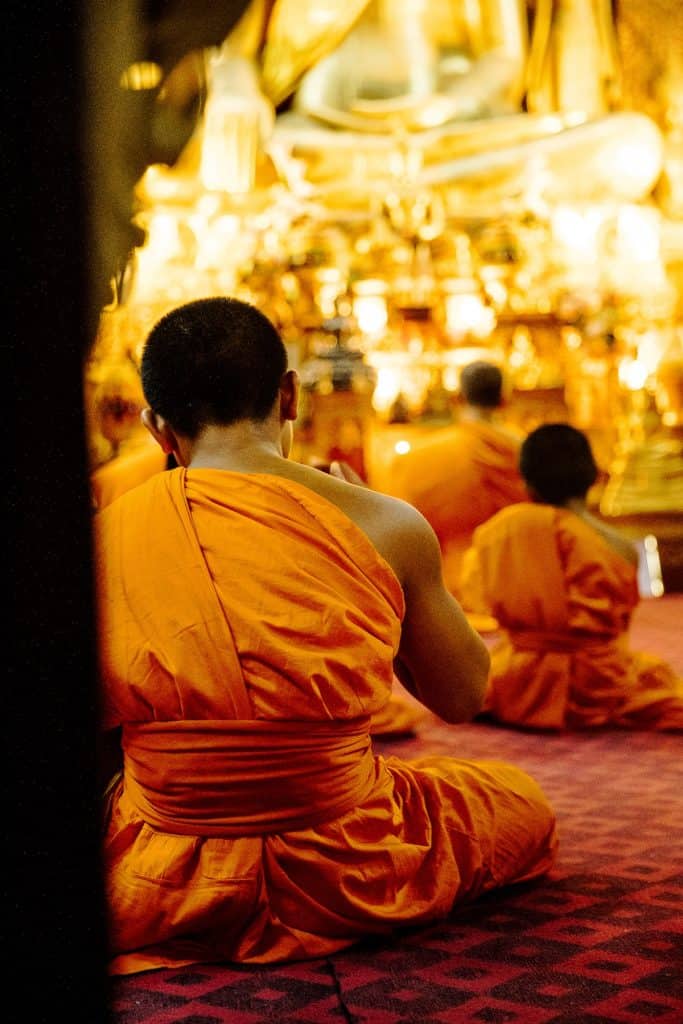
Set between the resource-rich highlands and the trade routes of the two rivers, the royal capital thrived. Teak, spice and, under the French, opium: trade made the town rich, while court patronage built a class of elite artisans, known for gold and silver, intricate hand-woven textiles and mulberry paper. Luang Prabang was also an important seat of Buddhist learning and remains so today, home to dozens of monasteries and around 1,200 monks and novices.
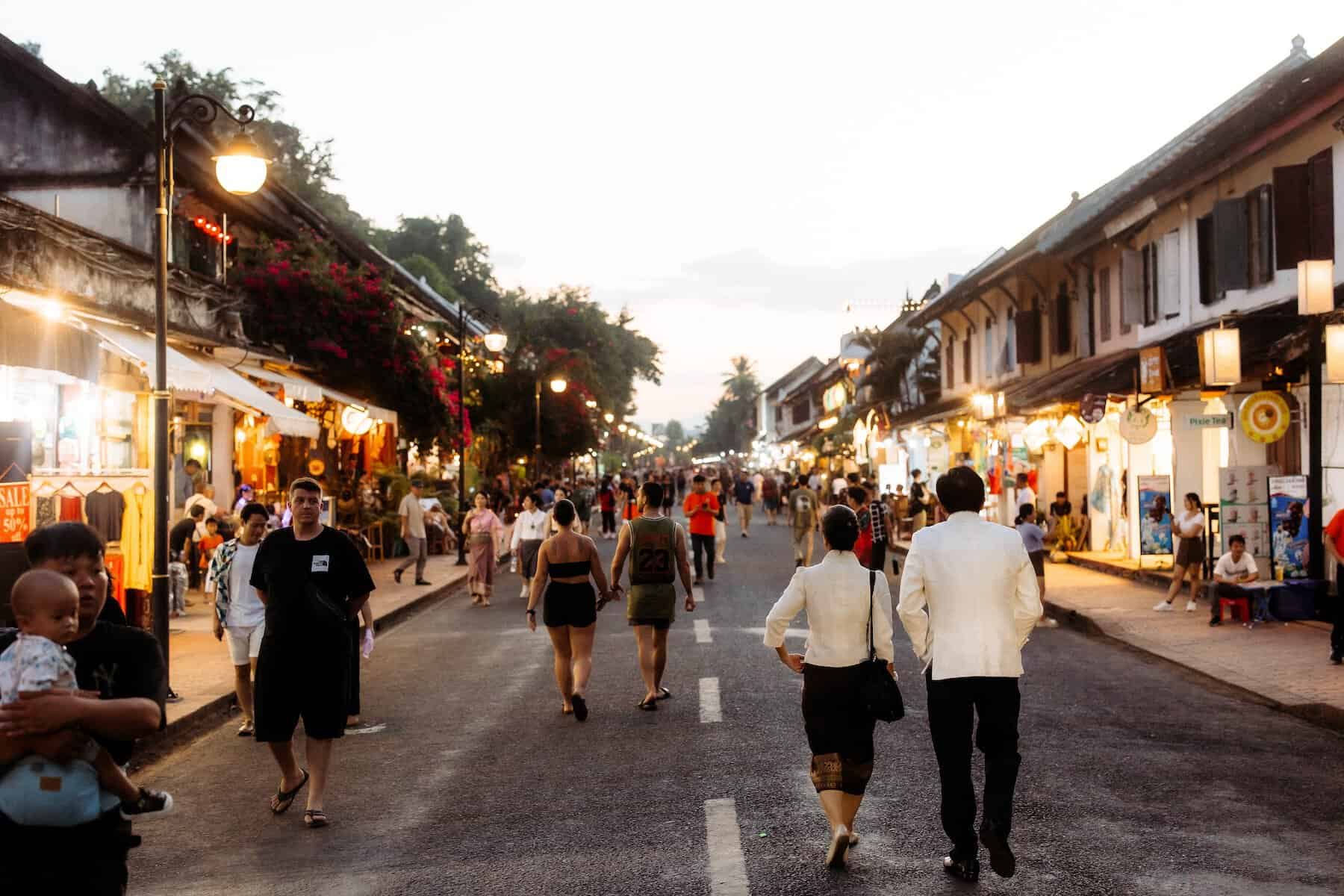
Few places so easily accessible offer such connections to a half-forgotten past. Boutique hotels were once merchant houses and in some cases, princely residences. Kitchens blend Lao, French and old royal cooking. Shops brim with the weaving Laos is known for. It’s also small. You can walk the old quarter end to end before breakfast, which makes Luang Prabang that rare thing: a place you can come to know in a long weekend. Go slowly and let the monks set the pace.
Friday
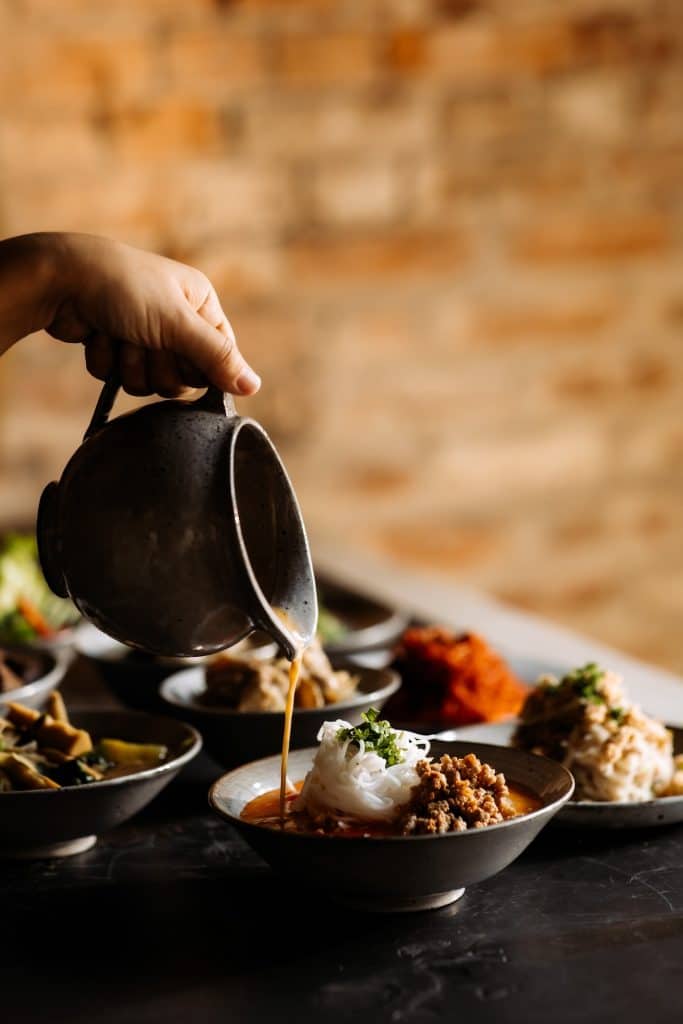
Walk the grounds of the Royal Palace, built in 1904 for King Sisavang Vong. It’s more grand colonial villa than Versailles, but super charming. Haw Pha Bang, the temple built for the Buddha statue, stands in the corner. Climb Mount Phousi for sunset views of otherworldy Luang Prabang. For dinner, go to Little Lao Culture Bar: order the spicy noodle curry, lemongrass chicken and steamed river fish, with a cocktail of gin washed in sticky rice, jackfruit and tamarind. Little Lao’s selection of jeow, or sambal, runs as long as most wine lists. Head upstairs to Sun Song Social for a nightcap.
Saturday
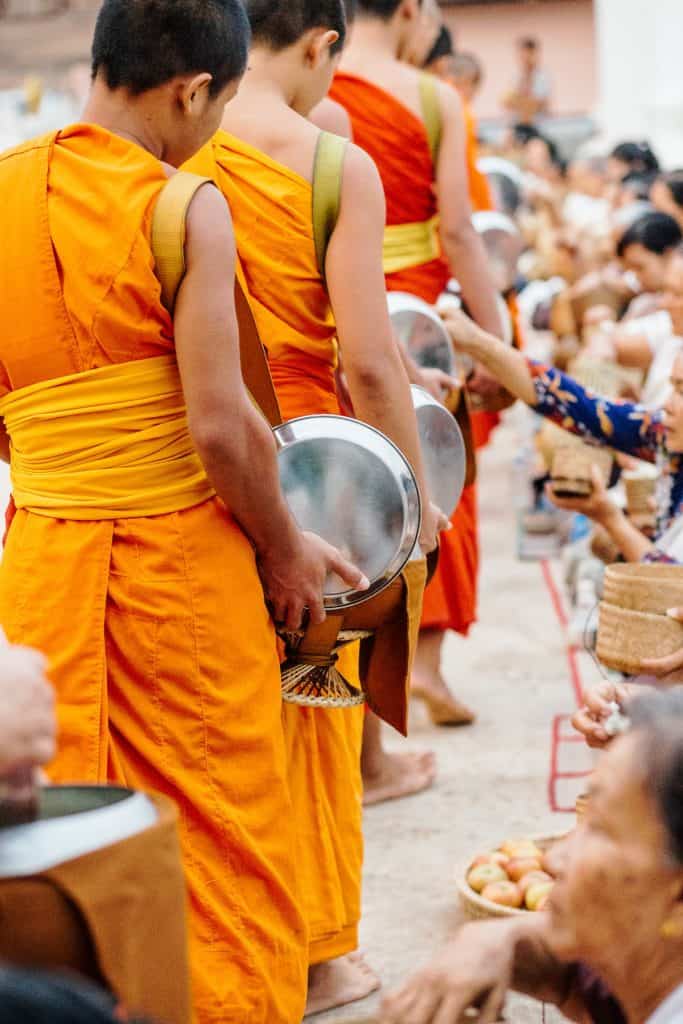
Get up early for tak bat, the dawn alms round, but rather than following the tourist hordes along Sisavangvong Road, head to the 16th-century temple Wat That Luang. Dress modestly — shoulders, chest and legs covered — stay silent and leave your phone in your pocket. After breakfast, visit Wat Xieng Thong (1559–1560), where Lao kings were crowned for centuries. Look up for the gilded nagas in the rafters. Wat Khili dates from 1773 and holds the nation’s Buddhist Archives, which monks kept safe through the wars of the last century. Grab a smoothie at the unnamed fruit-shake stall near Lala Textiles on Sisavangvong Road.
Spend the afternoon hunting antiques and textiles. Think naturally dyed fringed napkins and other eco-friendly delights at Ma Té Sai, crafted by rural Lao artisans. A few doors along, Pathana Boupha Antique House is a treasure-packed wonderkammer set within a colonial-era mansion. Madame Pathana Boupha, a deeply knowledgeable collector, guides guests through her rare collection of high-end Lao antiquities. Near the Mekong, Gallery Asiama showcases museum-grade Asian artifacts and ethnic textiles, founded by French photographer Alain Menori and his Laotian-American wife, Linda McIntosh — one of the world’s leading authorities on Southeast Asian weaving. Track down the celebrated Lao at Patta Textile Gallery.
At dusk, sit on the steps of Wat Pa Phai — aka Monastery of the Bamboo Forest — and listen to the chanting. Head to Tamarind for dinner. This cornerstone of Luang Prabang’s dining scene does traditional Lao food overlooking the Nam Khan, and also has an open-air cooking school on their farm, 15 minutes from town.
Sunday
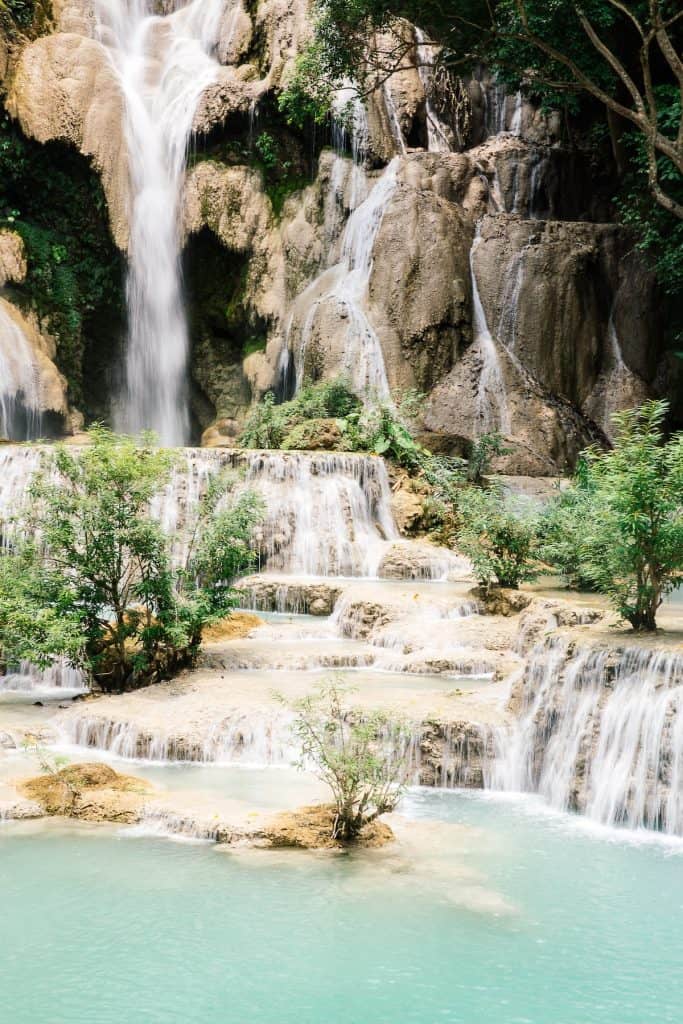
It’s 29 km to Kuang Si Falls but worth the trip. The main waterfall plunges down 60 metres of tiered cliffside before cascading through a series of limestone pools, popular for swimming. Stop for lunch at Carpe Diem and visit Laos Buffalo Dairy on the way back to town — think feta, blue cheese, yoghurt and the only buffalo ice cream in Laos. Spend the late afternoon on a long boat on the Mekong, before a drink on the terrace of the Belle Rive Hotel for sunset; or rustic riverside joint Soklab for some of the most economical Beerlao on the strip.
Finish with dinner at Lost in Baan. Tucked into a pretty side street, this hip gastro-bar does free-wheeling Asian fusion. Order the hibiscus-poached pear stuffed with cheese and curry and a glass of organic wine —or one of one of Baan’s playful cocktails —and settle in for a great night.
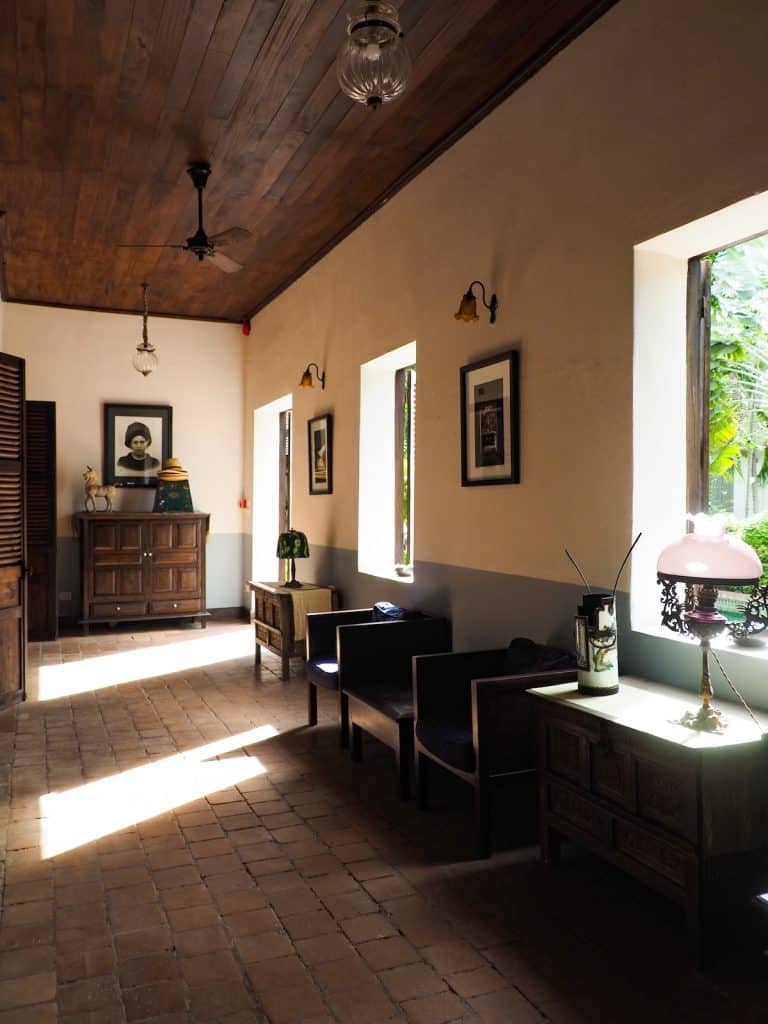
Where to stay: Satri House
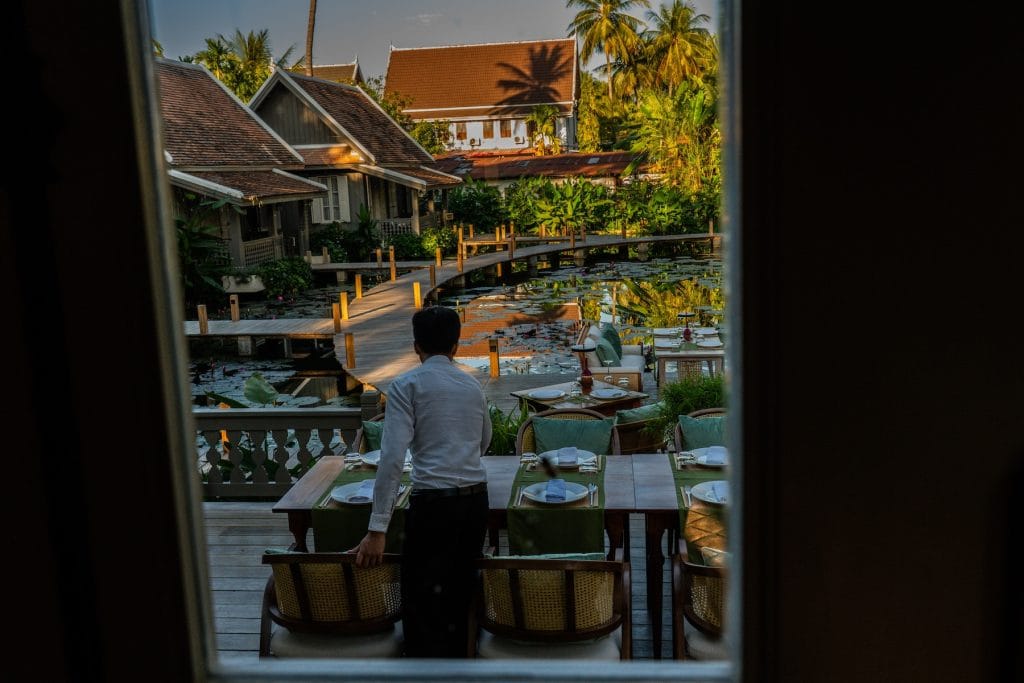
The parents of Prince Souphanouvong built this elegant Lao villa in 1904. He was the ‘Red Prince’, who became the first president of the Lao People’s Democratic Republic in 1975. On a map, Satri House looks out of the way, but the location is fantastic — much less touristy and just a ten-minute walk to the centre of town. Not that you ever want to leave this sumptuous enclave, with two pools in deep green gardens and antiques throughout. The upstairs entry-level rooms are my favourite: moody and romantic with ancient floorboards, four-poster beds and chaise longues on bougainvillea-wrapped verandas. Satri House was our base on The Pursuit Of Southeast Asia in 2025 and it’s still my favourite address in town.
Double rooms from US$200/night including breakfast and taxes. To book, go to: Satri House.
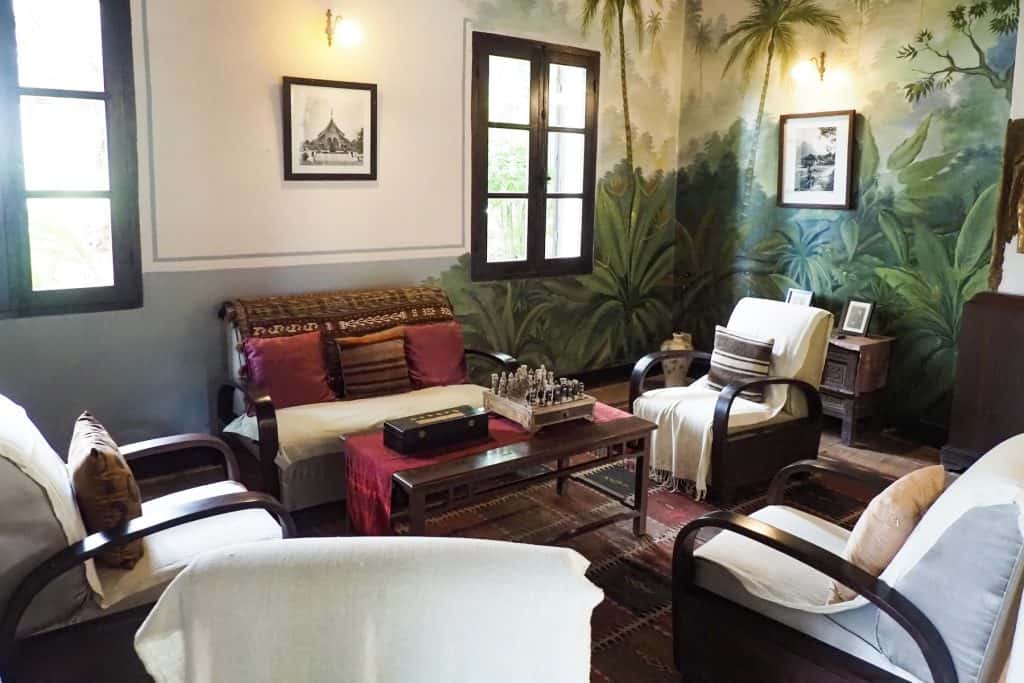
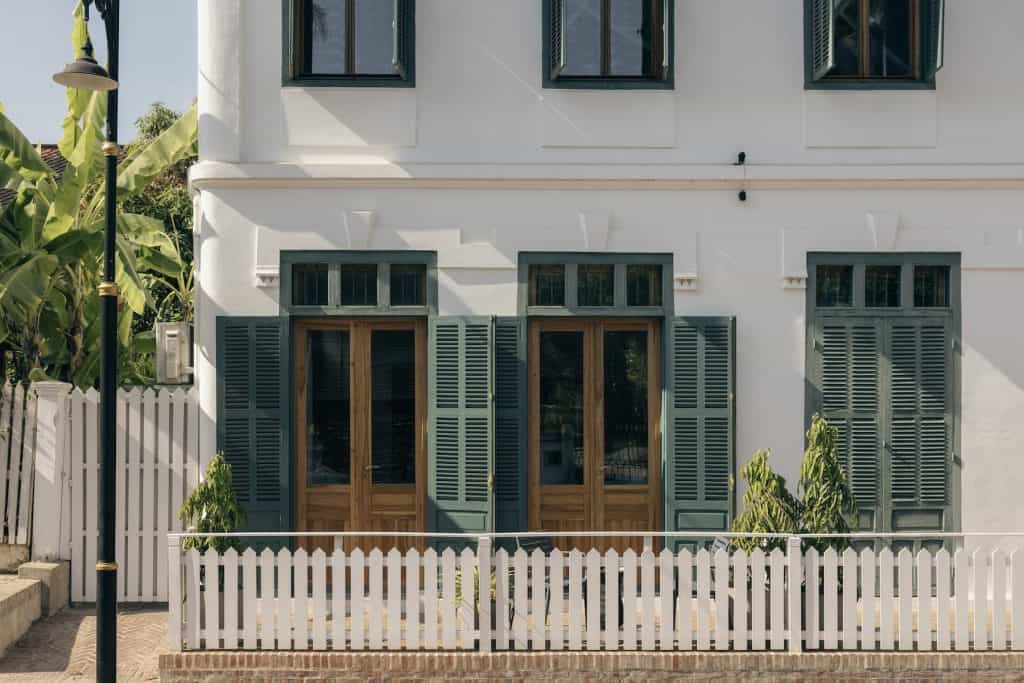
Pha Nya Residence
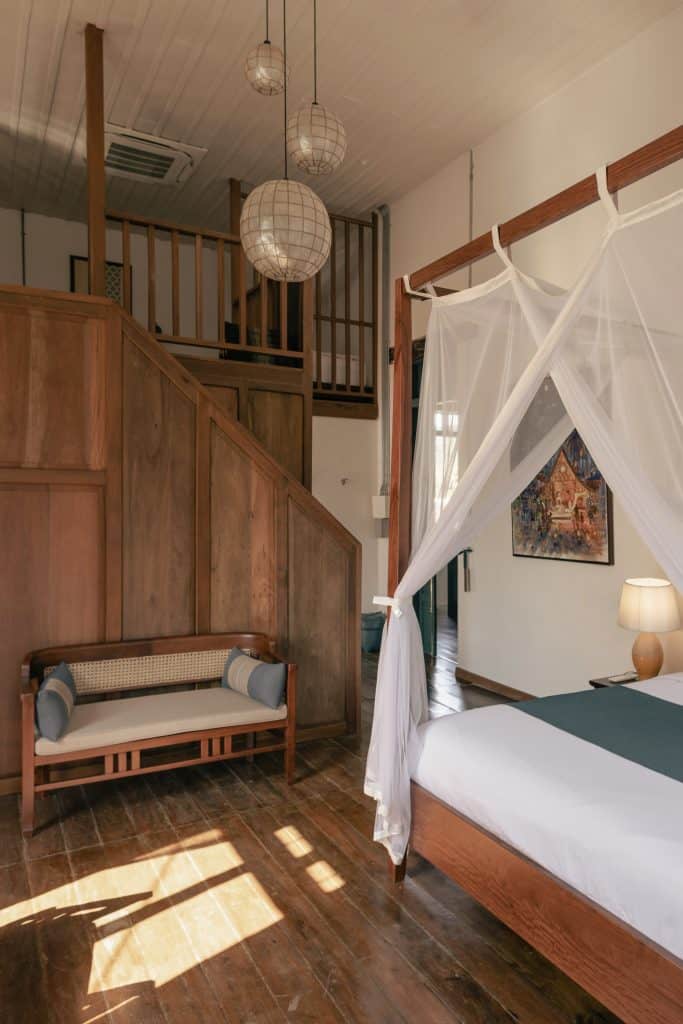
This traditional Lao family home with ten guest rooms has been beautifully restored — two storeys of white plaster and sage-painted shutters overlooking Wat Xieng Mouane. Locations don’t get any better, set in a quiet street between the Mekong and bustling Sisavangvong Road. There’s no pool or spa — instead there’s a terrace, a small library and breakfast cooked to order. Think style without breaking the bank, taken care by Caroline and Guillaume, two of the loveliest hosts in town. Splurge on a Superior Suite, with double-height ceiling, a teakwood dressing room and steps to a mezzanine with additional beds. One of the suites looks directly onto the glittering peaks of the wat.
Double rooms from US$70/night including breakfast and taxes. To book, go to: Pha Nya Residence.
Rosewood Luang Prabang
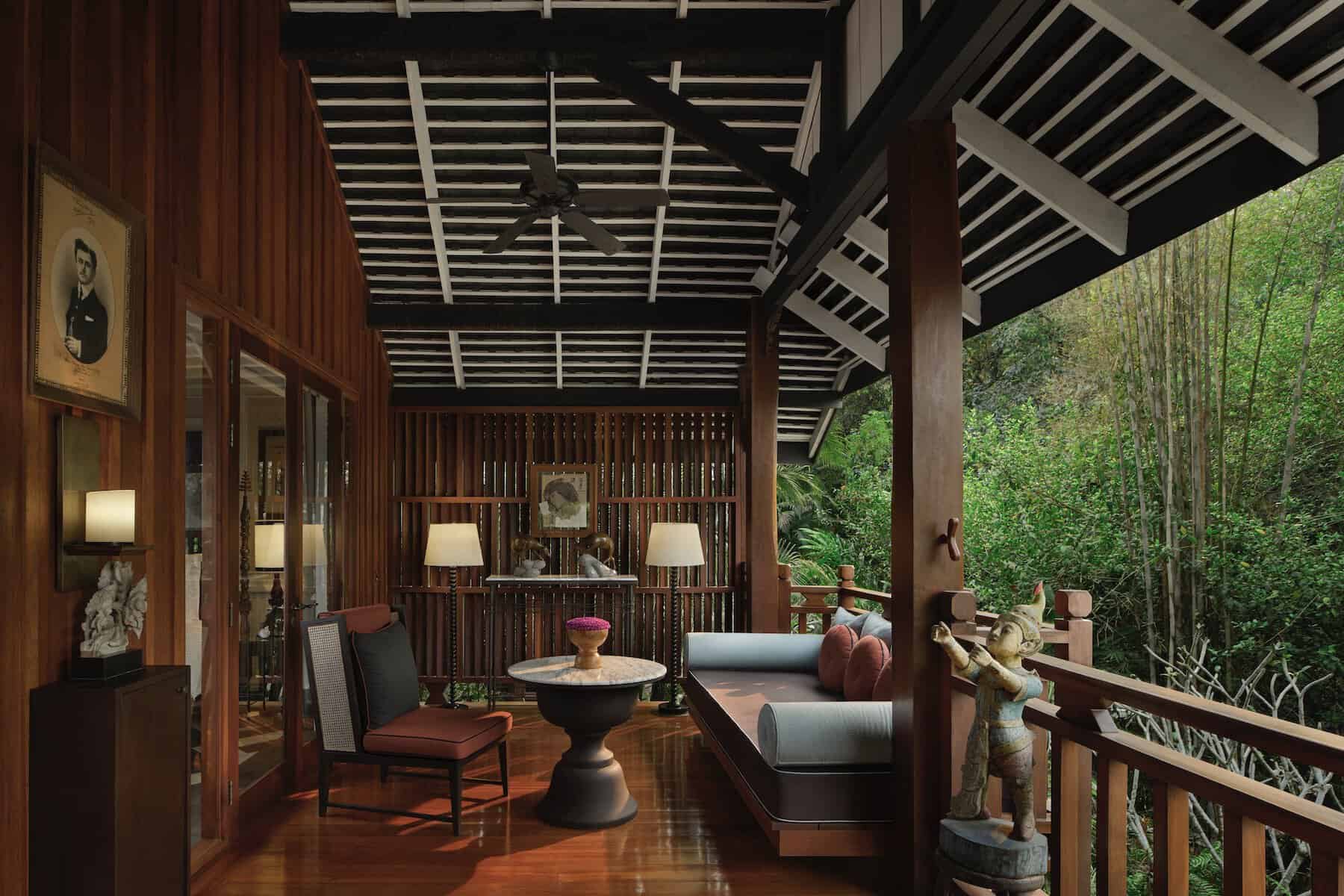
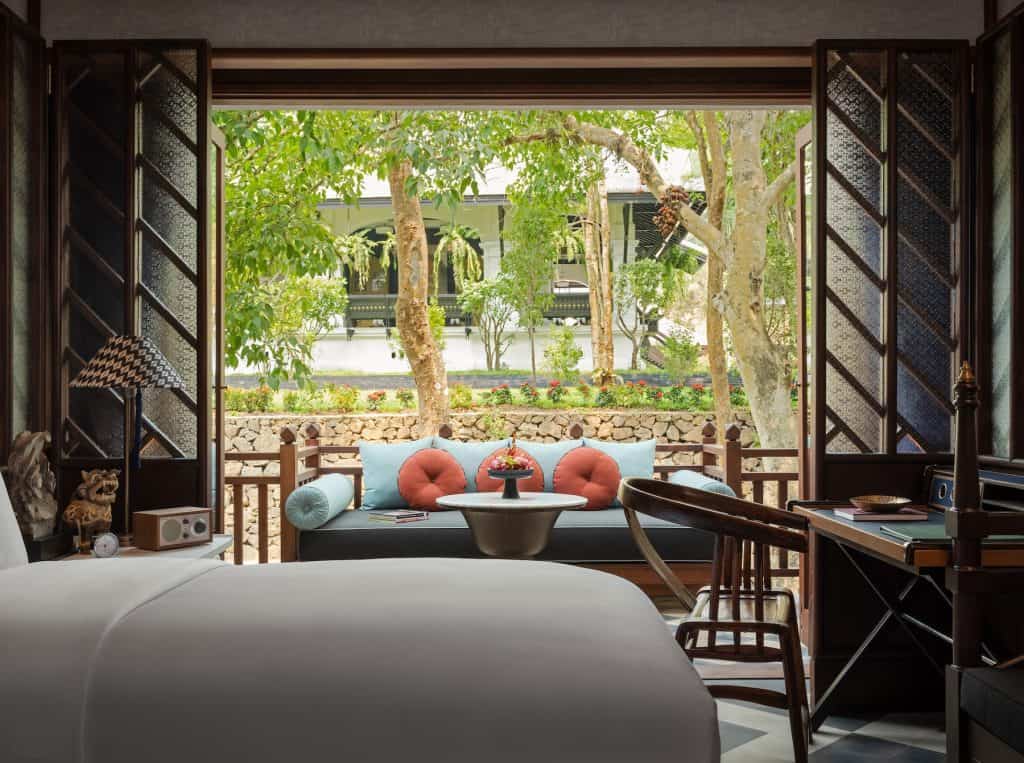
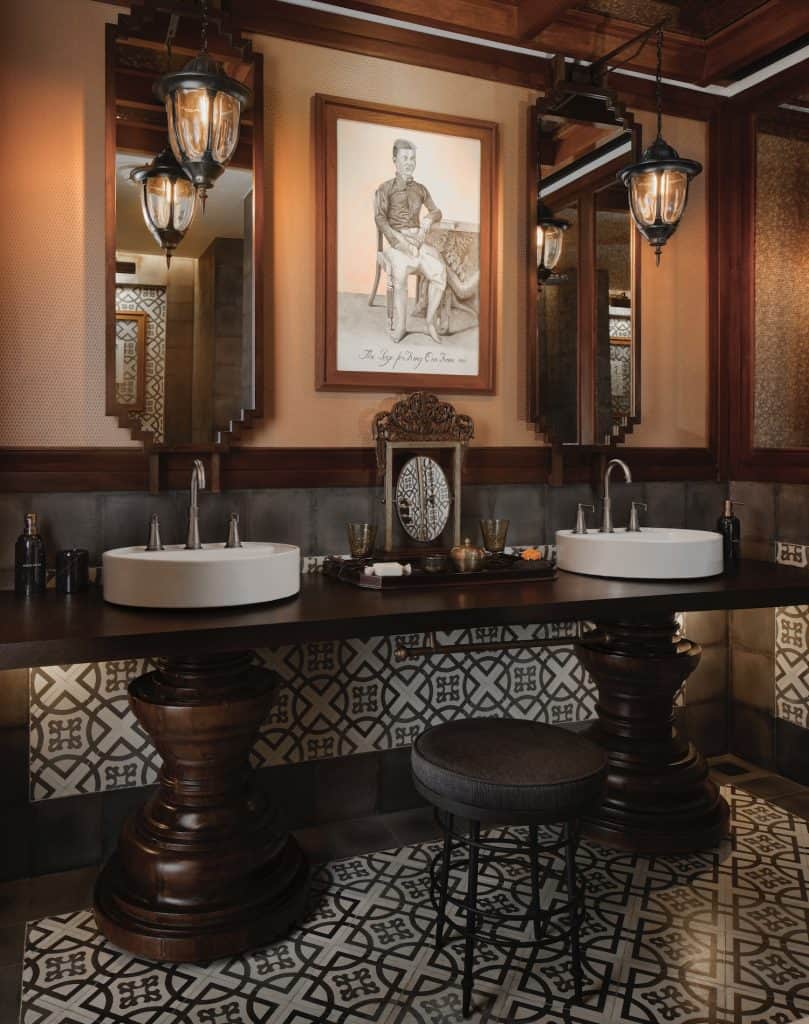
Hugging a small river, set amid jungled hills a ten-minute drive from town, Rosewood is Luang Prabang at its most sumptuous. Striking interiors were created by design legend Bill Bensley, taking cues from the temples and French-Lao architecture the town is renowned for. Seventeen rooms, suites and pool villas straddle the river, sporting boldly patterned floors, lavish bathrooms and teakwood verandas with daybeds in pretty colours. Perched on stilts in the jangle canopy, six hilltop tents channel a more adventurous spirit — albeit with silk walls, velvet sofas and claw-foot soaking tubs. The spa features three individual treatment tents and traditional Lao therapies. There’s also a circular pool, a restaurant and an elephant-inspired bar — quite possibly the loveliest watering hole in town.
Double rooms from US$850/night including breakfast and taxes. To book, go to: Rosewood Luang Prabang.