
Sri Lanka
11-24 August 2027.
Geoffrey Bawa didn’t just design buildings in Sri Lanka; he designed a way of living. This small group tour sleeps in his houses and uncovers the world that shaped his eye.
Sri Lanka can be explored through myriad lenses. Through ancient history, rock fortresses and megalithic tombs. Buddhist cave temples on the pilgrim trail since the 3rd century BCE. Nature reserves, with elephants, leopards and elusive sloth bears. Two millennia of native Sinhalese monarchy. More recent history, layered by Moorish traders and European colonists. World-class surfing along the south coast. The kaleidoscopic flavours of Sri Lankan cuisine. Wellness, tapping into the island’s rich Ayurvedic heritage. Some of the world’s finest hotels. Eight UNESCO World Heritage Sites. The nicest people you’ll ever meet.
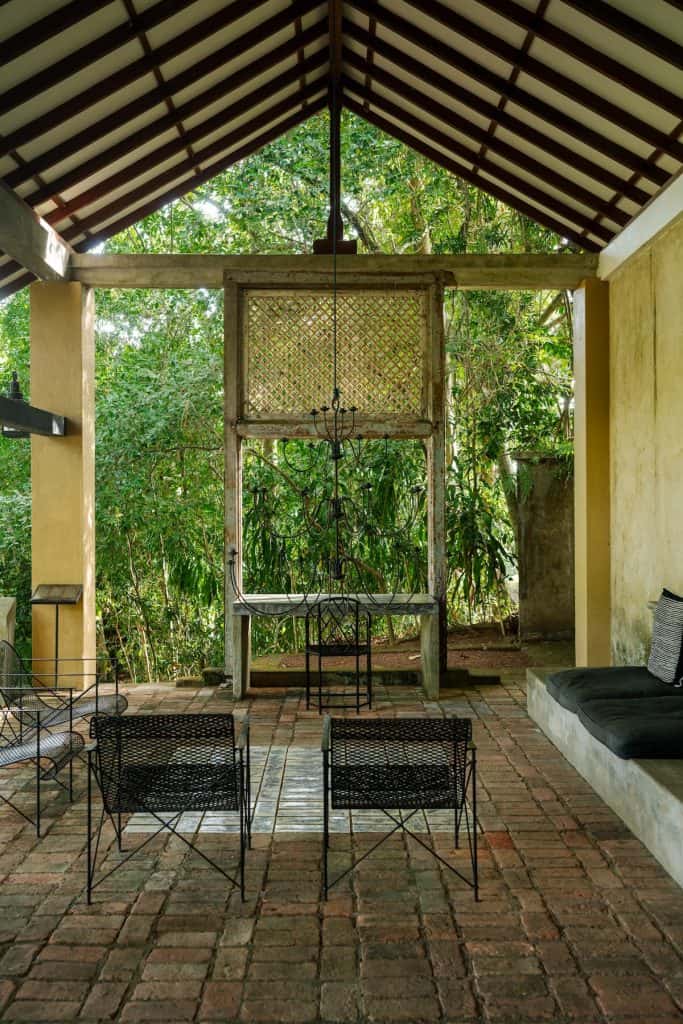
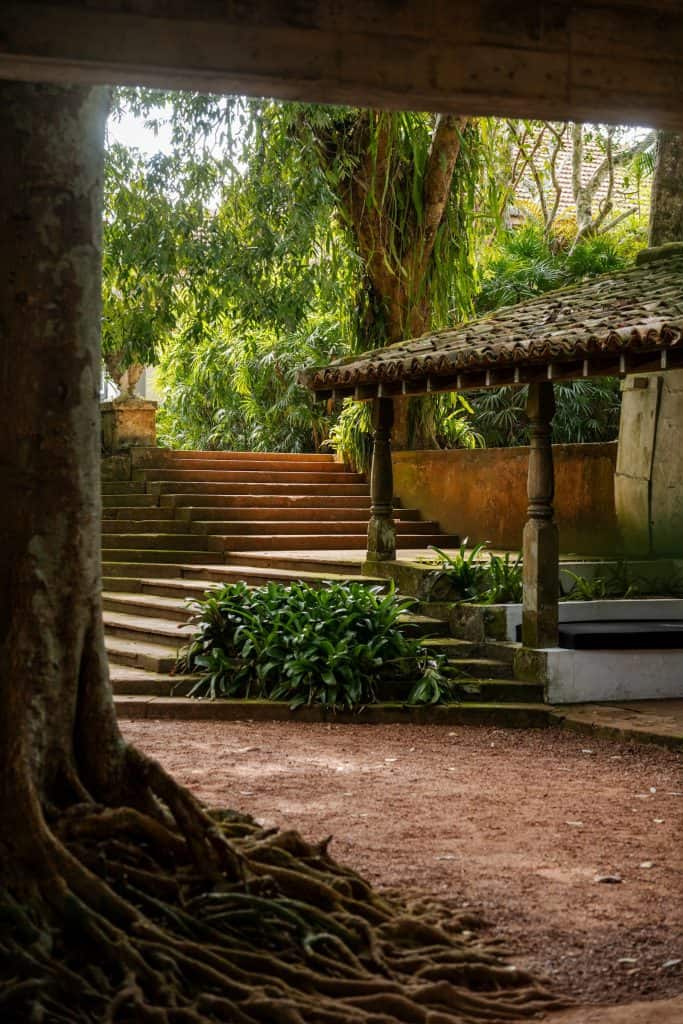
My small group tour explores Sri Lanka through a different lens: the life and work of Geoffrey Bawa. Over two weeks in August 2027, we explore the buildings that carry his name and the landscapes that shaped his imagination. We not only visit but stay at Bawa’s own homes. His legendary country estate, Lunuganga, and luminous city pad No. 11 — each one a laboratory for his evolving architectural language.
As legend has it, Aman founder Adrian Zecha described Lunuganga as the ultimate Aman resort. Telling praise: few architects have shaped hotel design as much as Bawa, influencing not only Aman but Six Senses, Banyan Tree and The Chedi.
Our itinerary is part of that story: Bawa devotee Kerry Hill’s meticulous restoration of a 17th-century Dutch colonial mansion turned hotel, now the dazzling Amangalla, is our home in Galle Fort. There’s also the Bawa-designed Colombo home of a famous pianist, and a lakeside retreat in southern Sri Lanka designed by Bawa protege Channa Daswatte — an architectural language still being spoken.
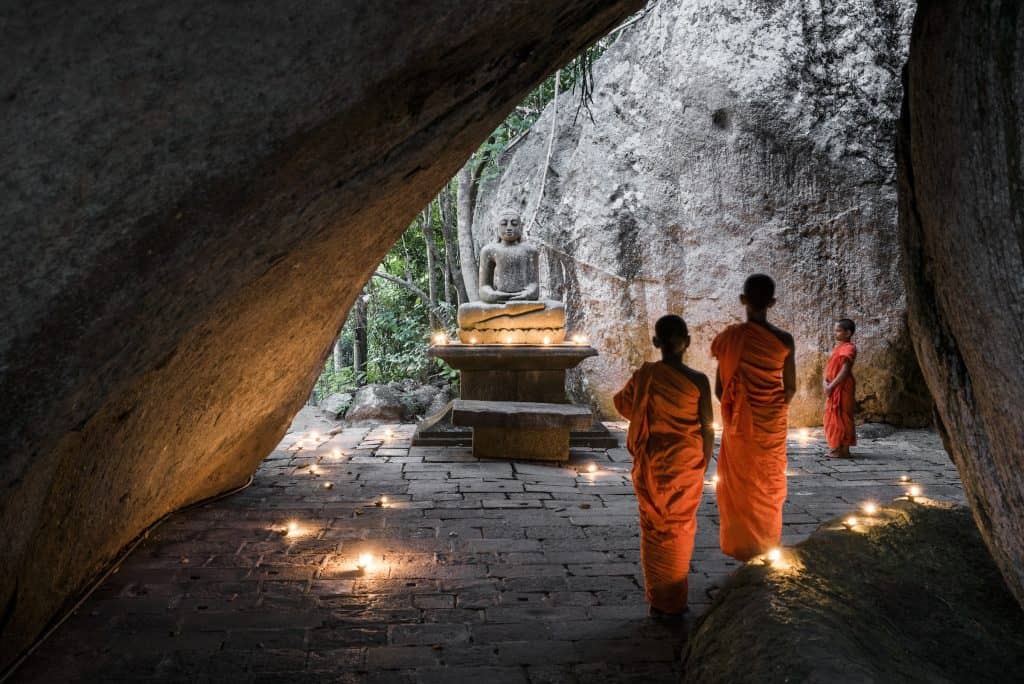
Not that this tour is all Tropical Modernism — Bawa is the compass, not the cage. Think Buddhist monasteries, sunset walks on Bentota Beach and meals at wonderful restaurants. Meet gem and jewellery traders in Galle, descendants of Arab merchants who dominated the island’s commerce centuries before the Europeans arrived. Ancient sculpture at the National Museum, shopping for antiques and handwoven textiles. Arrack sours on deep verandas. The Sri Lanka of — and beyond — Bawa.
The Pursuit Of Sri Lanka
11-24 August 2027
13 nights
A$24,100 single occupancy / A$19,500 double occupancy
50% deposit to book with the balance due 120 days prior to departure
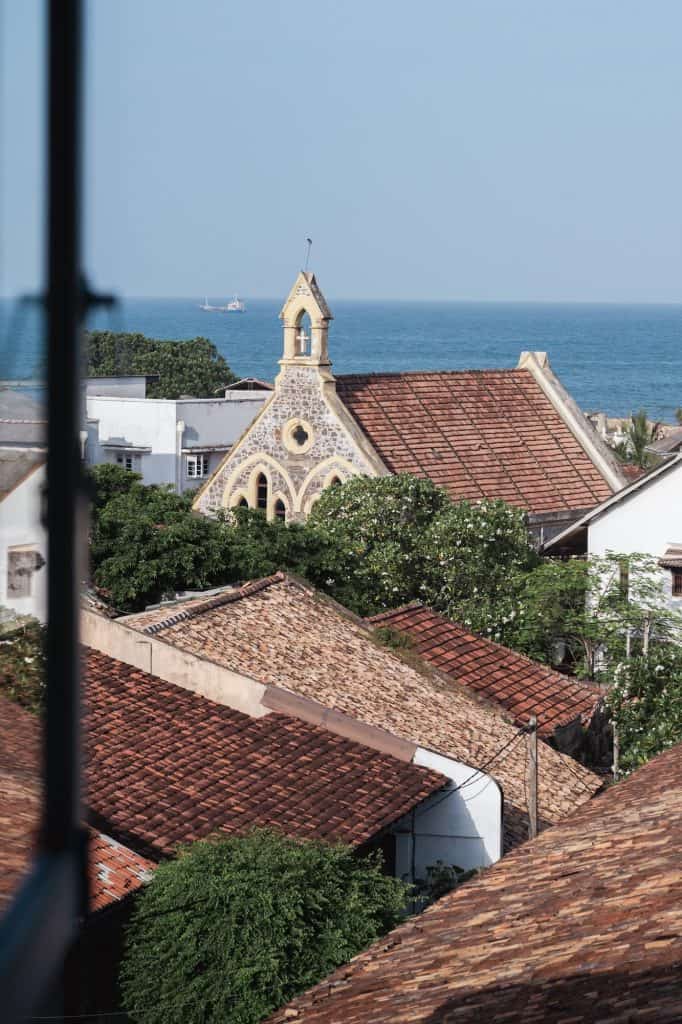
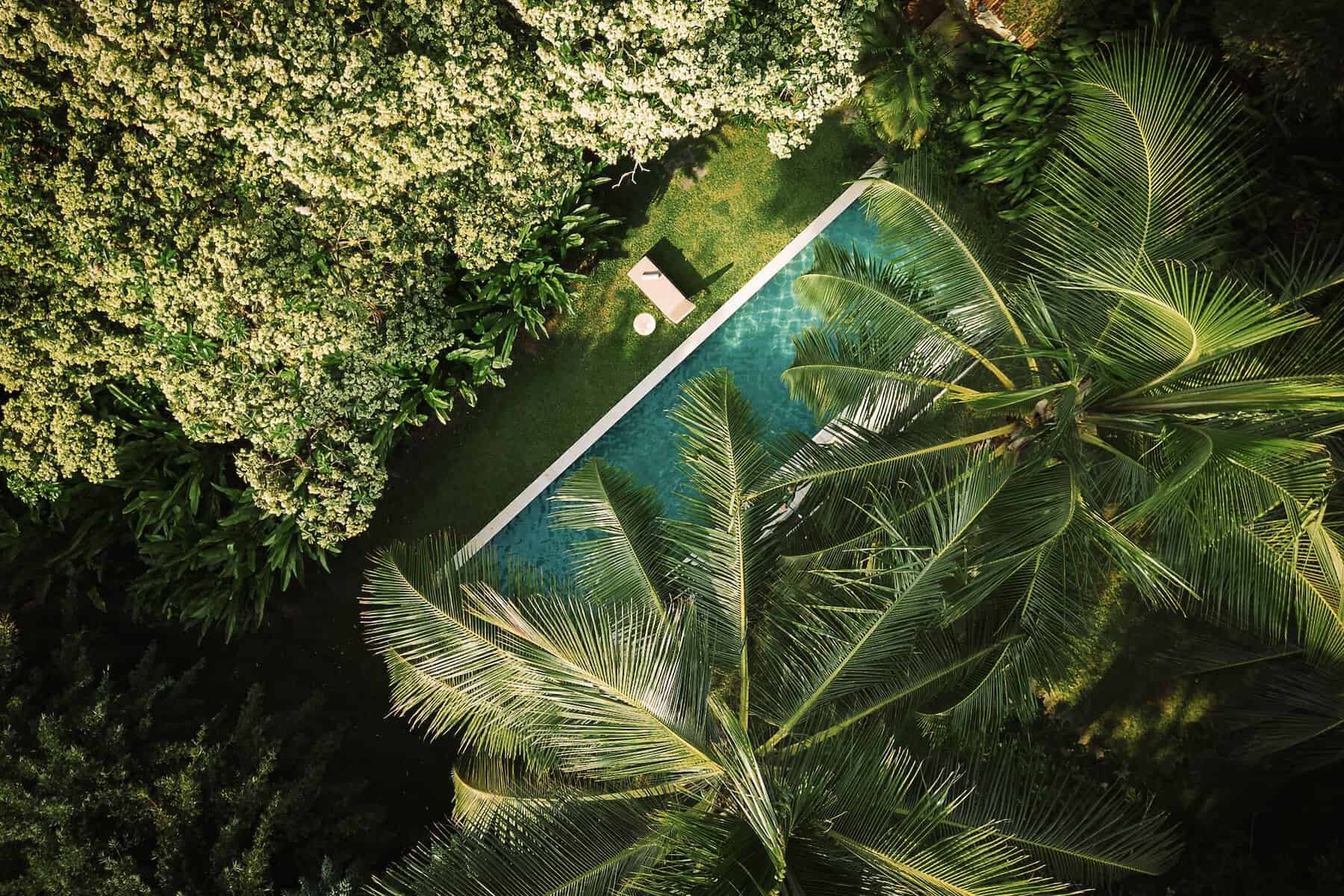
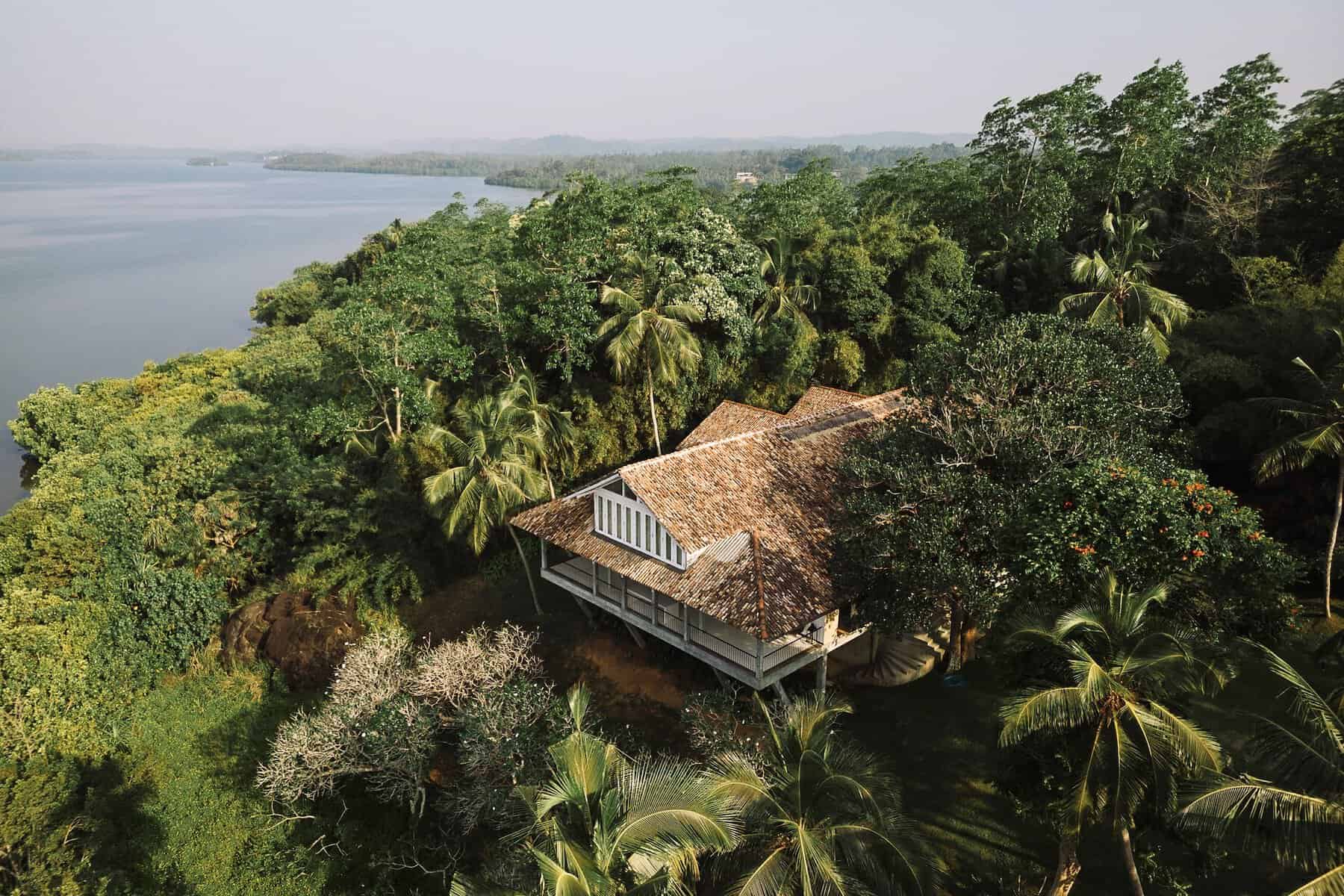
From the simple but elegant De Saram House to Amangalla, one of the world’s most luxurious hotels, this tour spans the full range of how style can be expressed.
Who should book this trip
The Pursuit Of Sri Lanka is for lovers of architecture and design, and anyone keen to experience Geoffrey Bawa’s work firsthand. It’s for the curious traveller who enjoys sumptuous meals between rich and diverse cultural outings, and also wants the odd afternoon by the pool.
It’s perfect for those who appreciate atmospheric accommodation. From the simple but elegant De Saram House to Amangalla, one of the world’s most luxurious hotels, this tour spans the full range of how style can be expressed. Great design matters more here than luxury for its own sake.
Beyond Bawa, the tour is ideal for those who want to dip their toe in South Asia. Sri Lanka has similar colour, flavour and history to India, distilled into a smaller, more pristine landscape. I’m yet to meet a traveller who wasn’t enchanted.
Day 1-4: Colombo
The Dutch built canals here. The British built railways and grand buildings. Neither quite finished the job and Colombo has been improvising ever since. The charm is in the layers: a Dutch church by a spice stall, colonial verandas softened by monsoon light. It’s lived in rather than polished. Faded facades, tropical foliage pushing through concrete, tuk-tuks in candy colours. Then, without warning, quiet lanes leading to modernist enclaves designed by Geoffrey Bawa. We stay at the two loveliest: De Saram House and Bawa’s own home, No. 11.
In 1986, Bawa took two cottages in Cinnamon Gardens and created a tropical pavilion for his friends, the renowned concert pianist Druvi de Saram and his wife Sharmini. Built around shaded courtyards and reflective ponds, De Saram House is now a four-room guest house managed by the Geoffrey Bawa Trust. The couple’s art collection is woven throughout the property, including works by the ‘43 Group of Sri Lankan painters in the music room.
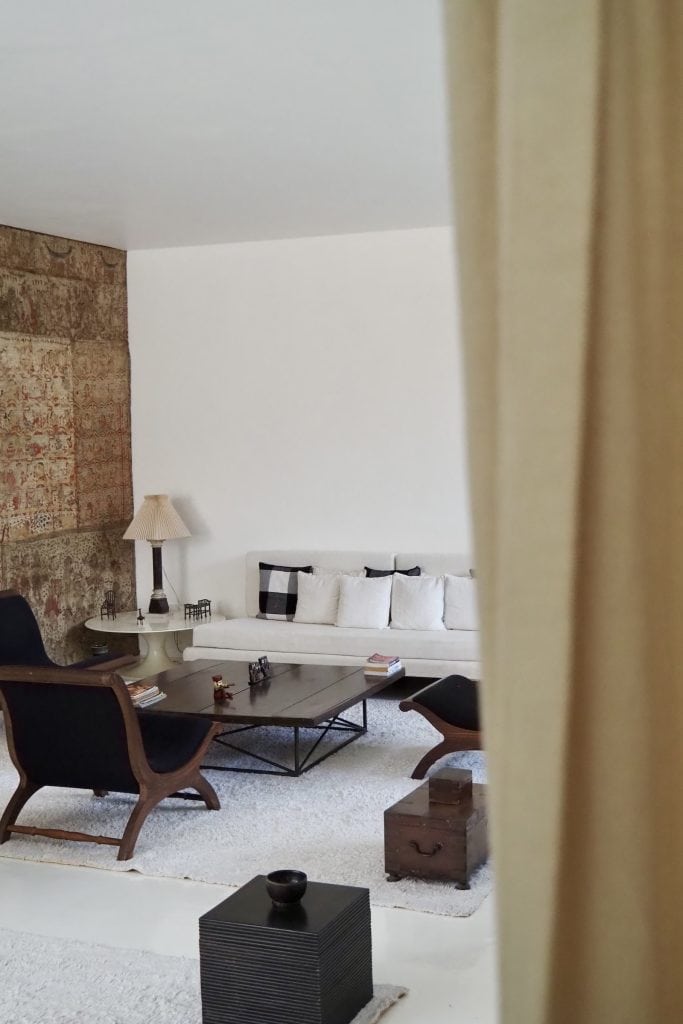
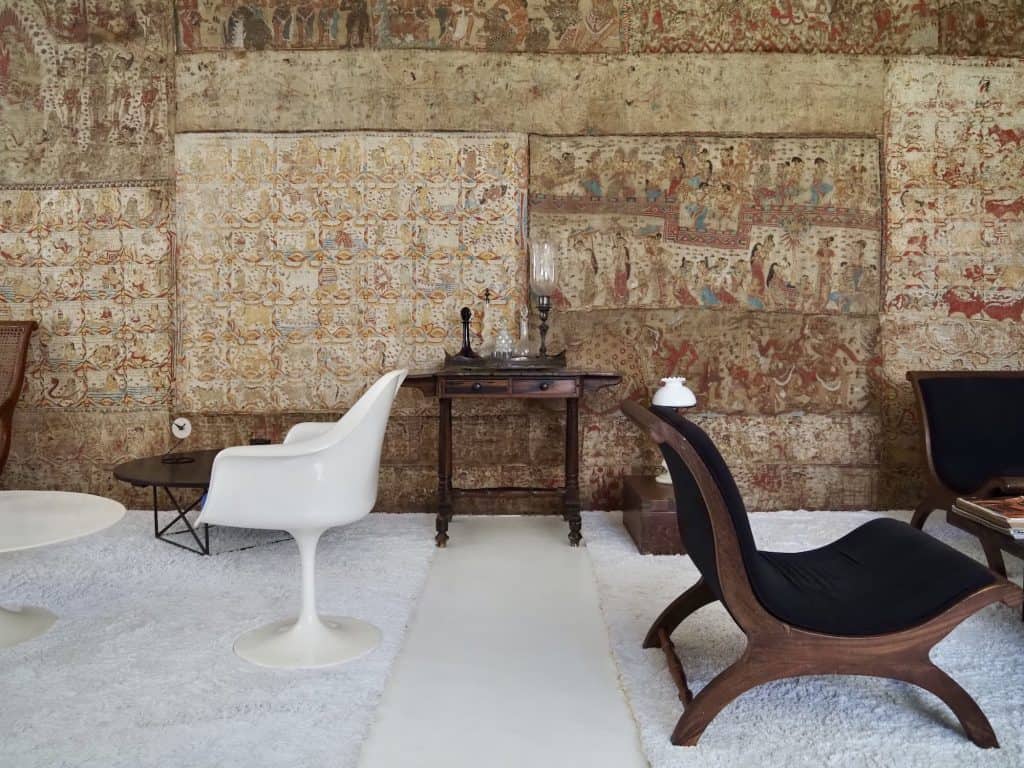
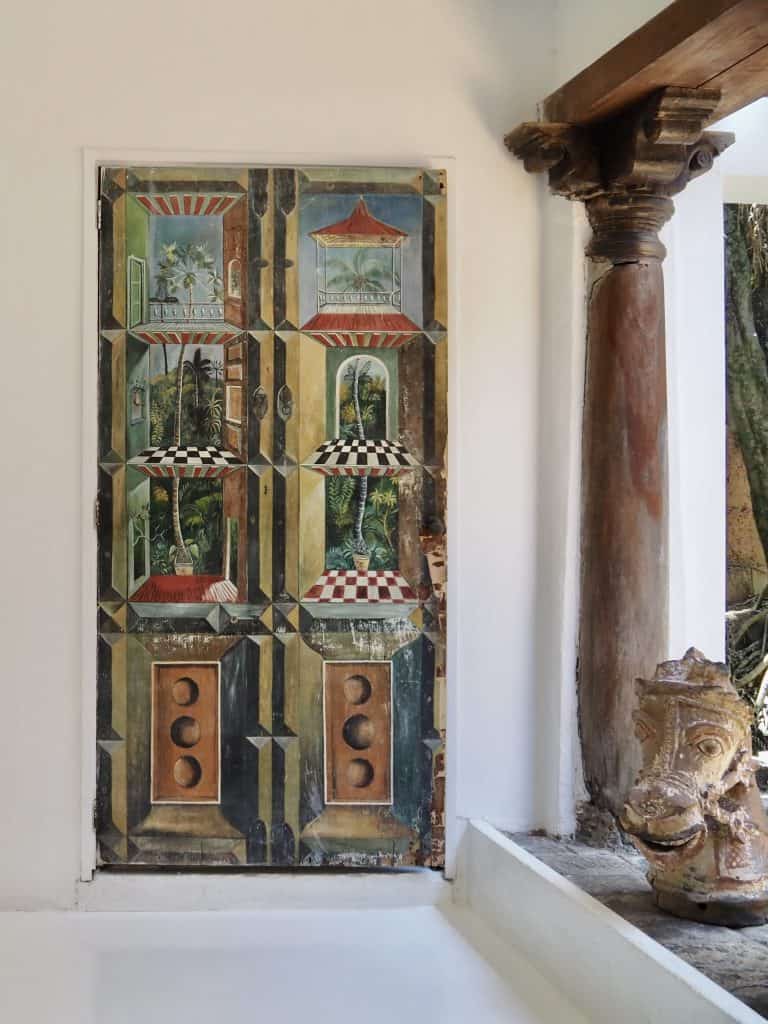
No. 11 was Bawa’s own home: four row houses joined over four decades from 1958 into one rambling composition of courtyards and rooms. Adorned with architectural salvage, antique and modern furniture, and a door painted by Australian artist Donald Friend, this gloss-white labyrinth is the clearest expression of Bawa’s taste, designed for no one but himself. A house museum with two guest rooms rather than a two-room guest house, a stay at No. 11 is as singular as it gets.
We’ll take in the carved-stone wonders at Colombo National Museum, check out local produce at Pettah Market and hit the town for sundowners: a speakeasy bar one day, the waterfront terrace of an 1860s grand dame the next. We’ll shop for handwoven textiles at the boutique of Bawa’s friend and collaborator, Barbara Sansoni. Lunch at Gallery Cafe, set within the courtyard of Bawa’s former office. And explore Colombo’s burgeoning restaurant scene, delving into the explosive fusion of Sri Lankan cuisine.
Day 4-7: Lunuganga
As Ceylon gained independence from the British in 1948, Geoffrey Bawa purchased a derelict rubber estate near Bentota Beach, comprising 25 acres and a 1930s planter’s bungalow. Such was his devotion to the project, he returned to university in London to study architecture. Lunuganga created the architect, not the other way around.
Bawa spent 50 years moving hills, replanting woods and opening new views to sculpt his country estate. Now a 10-room guest house, Lunuganga is Bawa’s fantasy made real, where landscape and architecture melt into one continuous idea.
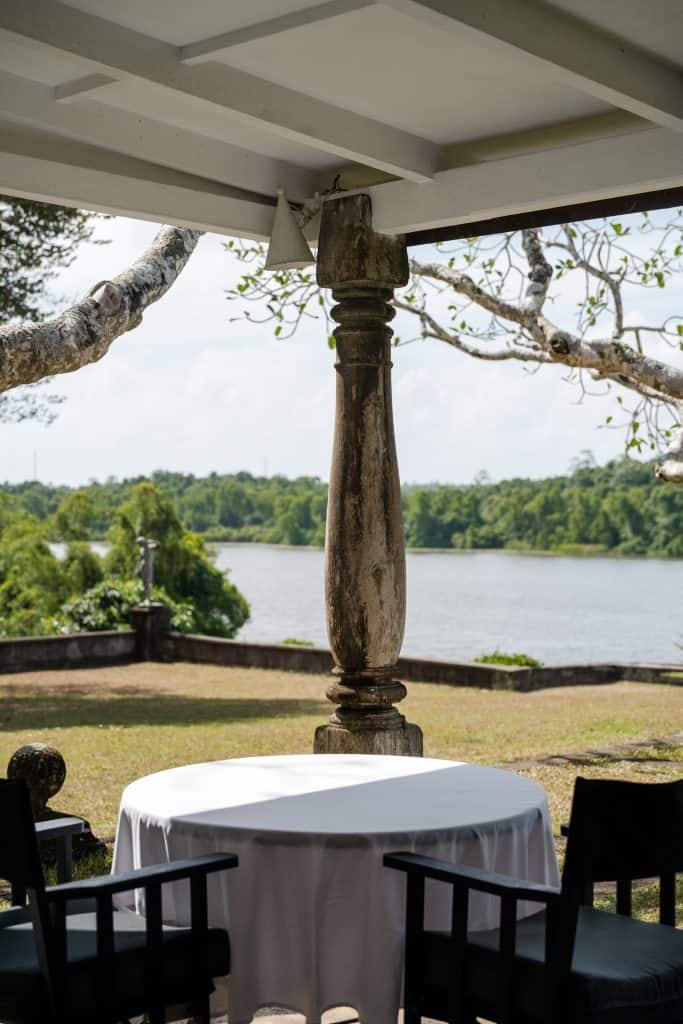
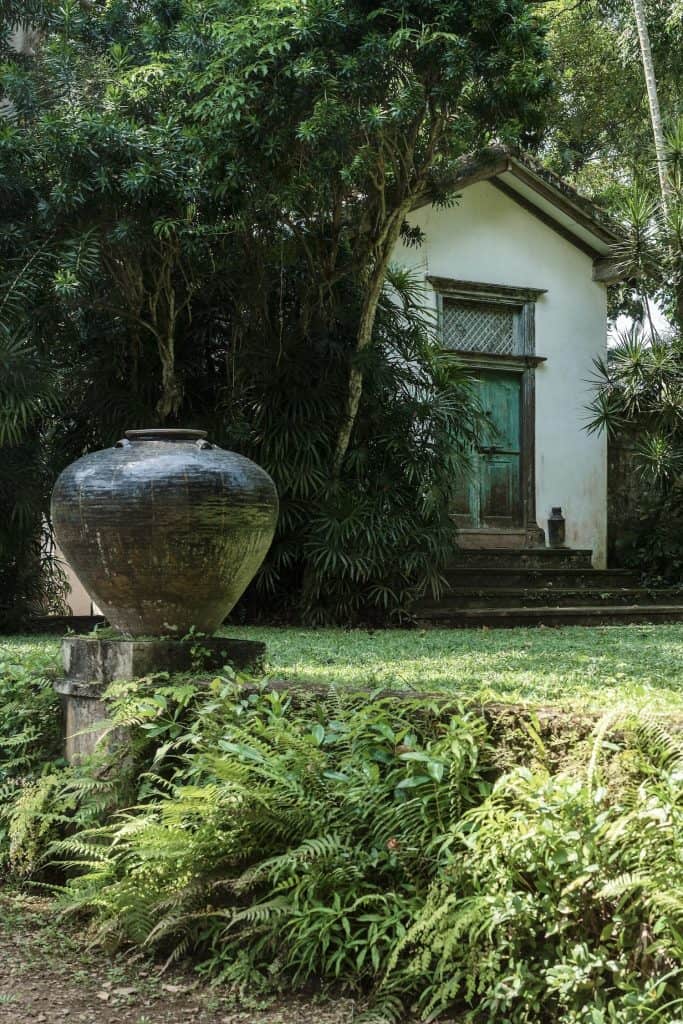
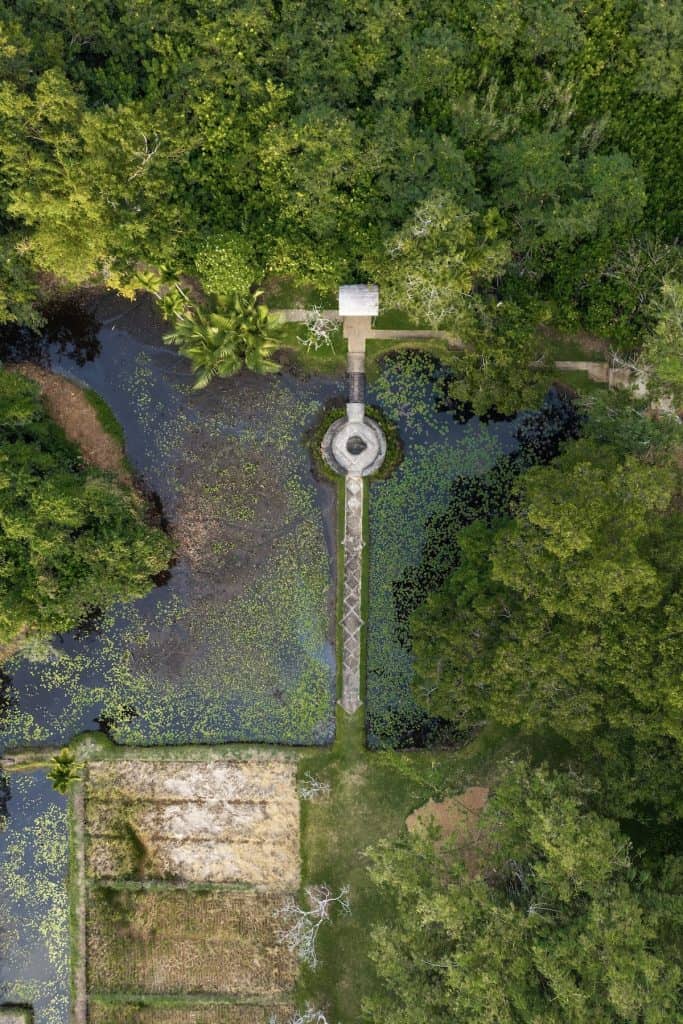
He opened up the interior of the original bungalow and blurred the boundaries between inside and out, merging English landscaping with Italian Renaissance elements and Tropical Modernism. Smaller structures surround it — the Glass House, Sandella Pavilion, Gallery Studio and the Gate House — connected by terraces, courtyards and a covered ha-ha path. Frangipani, Jak and Araliya trees frame views of rolling hills and Dedduwa Lake; lawns step down to paddy fields and lily ponds.
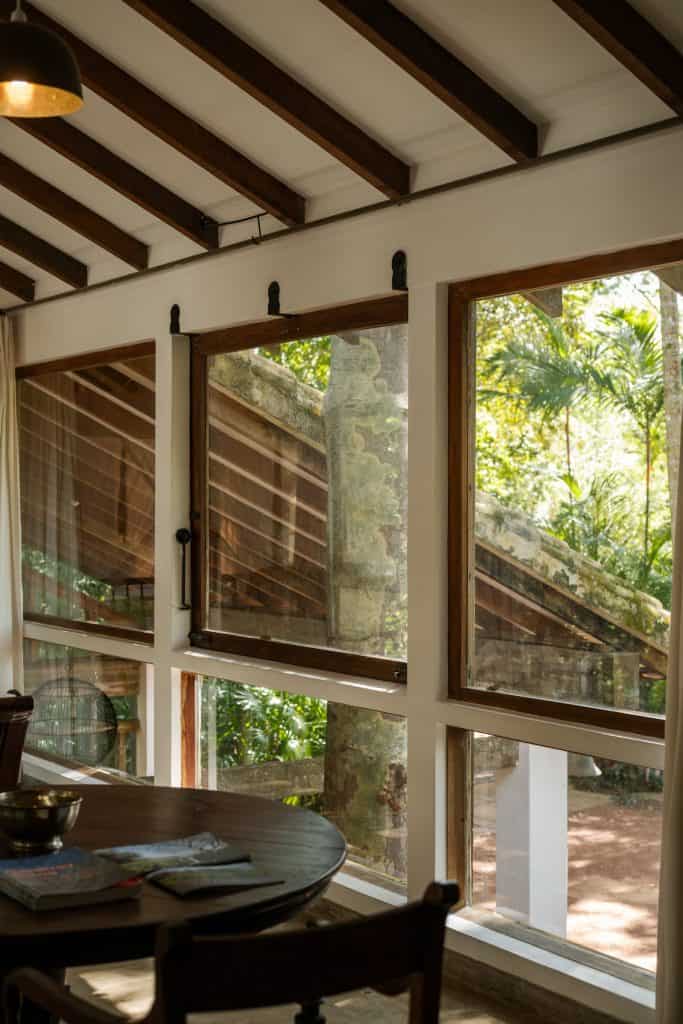
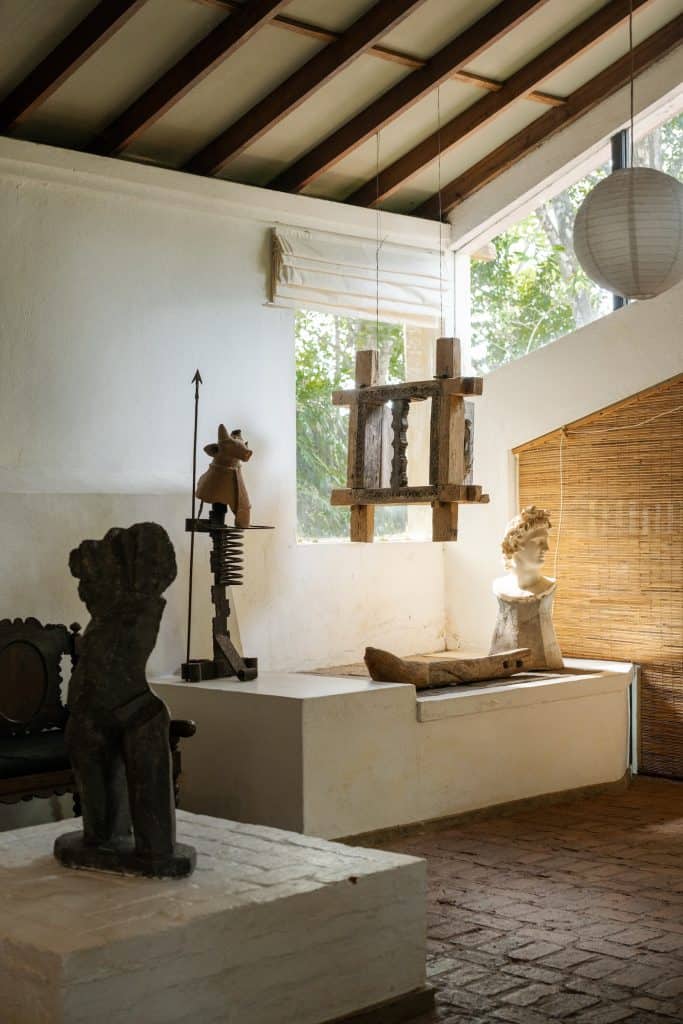
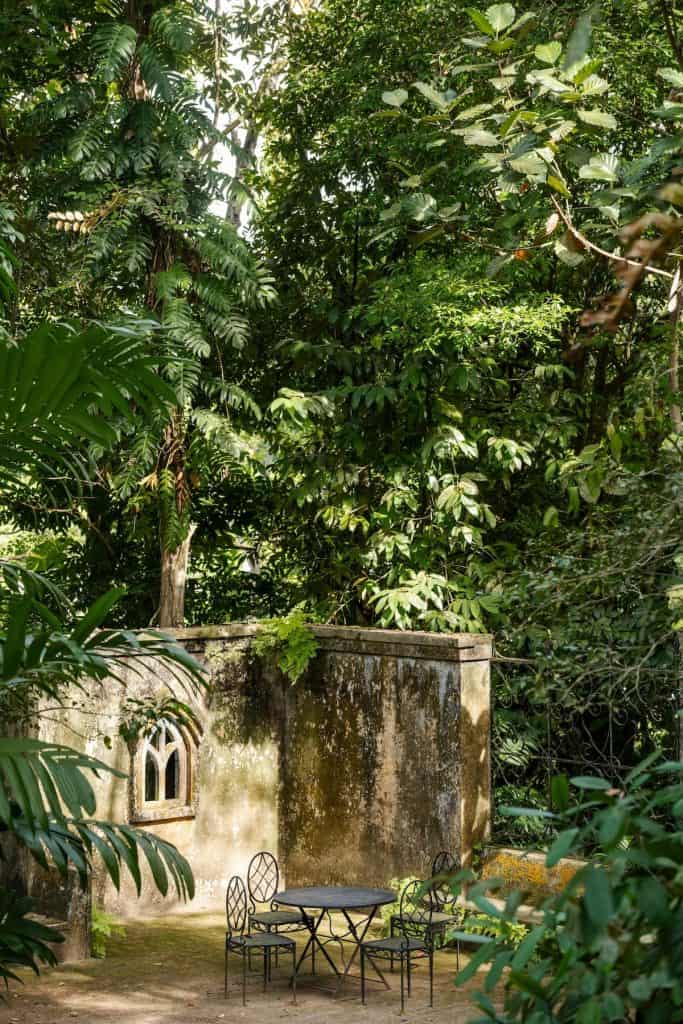
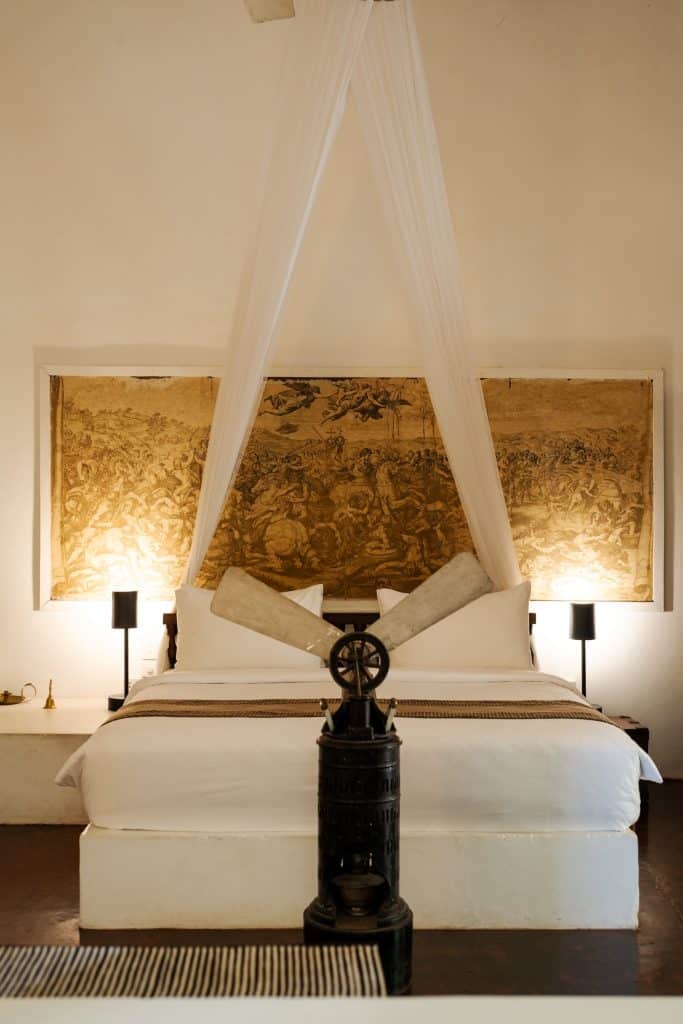
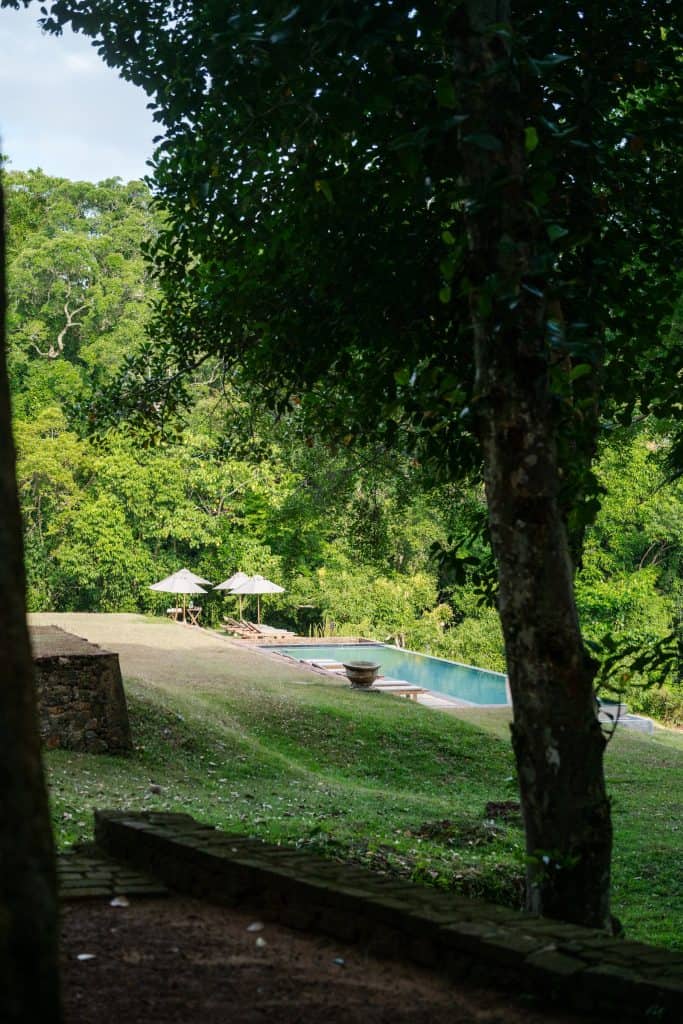
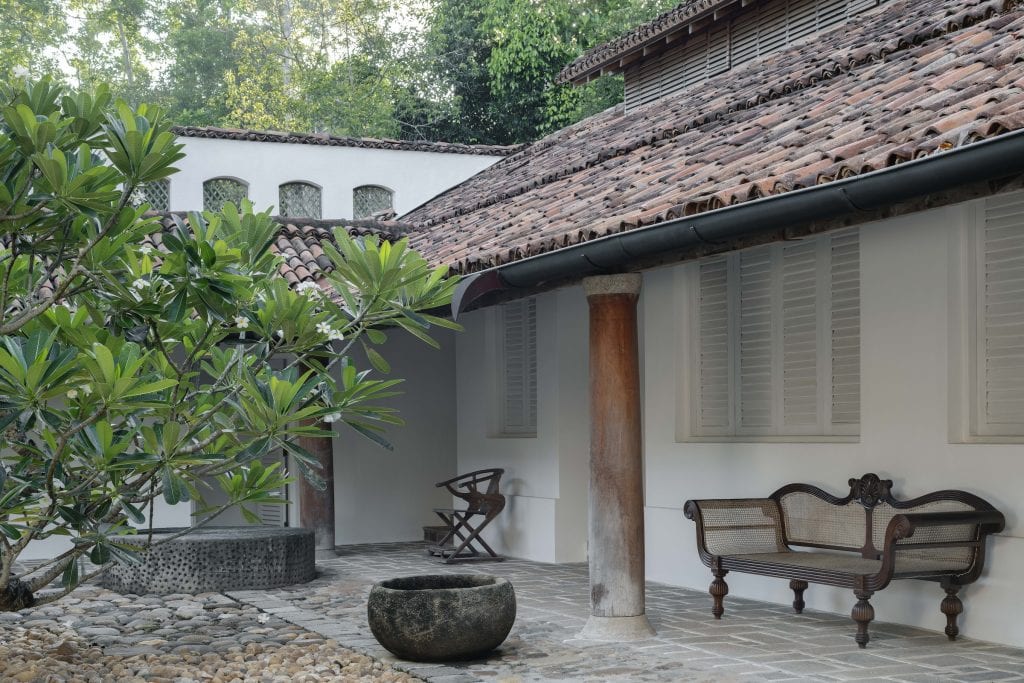
Also tucked within the grounds of Lunuganga is No. 5: the 1962 home of batik artist and longtime Bawa collaborator Ena de Silva and her husband Osmund. Facing demolition after de Silva sold the land in Colombo on which it stood, the Lunuganga Trust worked with a team of architects, archaeologists and engineers to disassemble the house and rebuild it stone by stone at Lunuganga.
Lucky for architecture that it did — No. 5 effectively launched Tropical Modernism. Bawa’s groundbreaking design flipped the colonial bungalow concept inside out with an open-air central courtyard, blending radical modernism with ancient vernacular building traditions.
We’ll tour Lunuganga with an expert (some of the team have been there since Bawa’s time) and explore Dedduwa Lake by boat, returning for a house-made gin and tonic on the lawn. Bentota Beach is a tuk-tuk ride away, home to three hotels and a train station designed by Bawa, palm trees, golden sand and the Indian Ocean in front.
Meals move around the property — the main dining terrace one day, the Sandella Pavilion the next, No. 5 after that — with plenty of downtime to explore Lunuganga at your own pace, just as Bawa’s own guests might have done.
Day 7-10: Kurulu Bay, Ahangama
Kurulu Bay doesn’t usually feature in tour itineraries — and that’s exactly the point. It’s the sort of place you book if you want to chill and do yoga, surrounded by great design. We’re there because the main house was designed by Bawa’s chief protege, Channa Daswatte.
Travel the Bawa trail and it won’t be long before Channa’s name comes up. He not only chairs the Geoffrey Bawa Trust, but has overseen the restoration of countless properties, from Dutch colonial mansions and aristocratic Kandy manor houses to Bawa’s own designs.
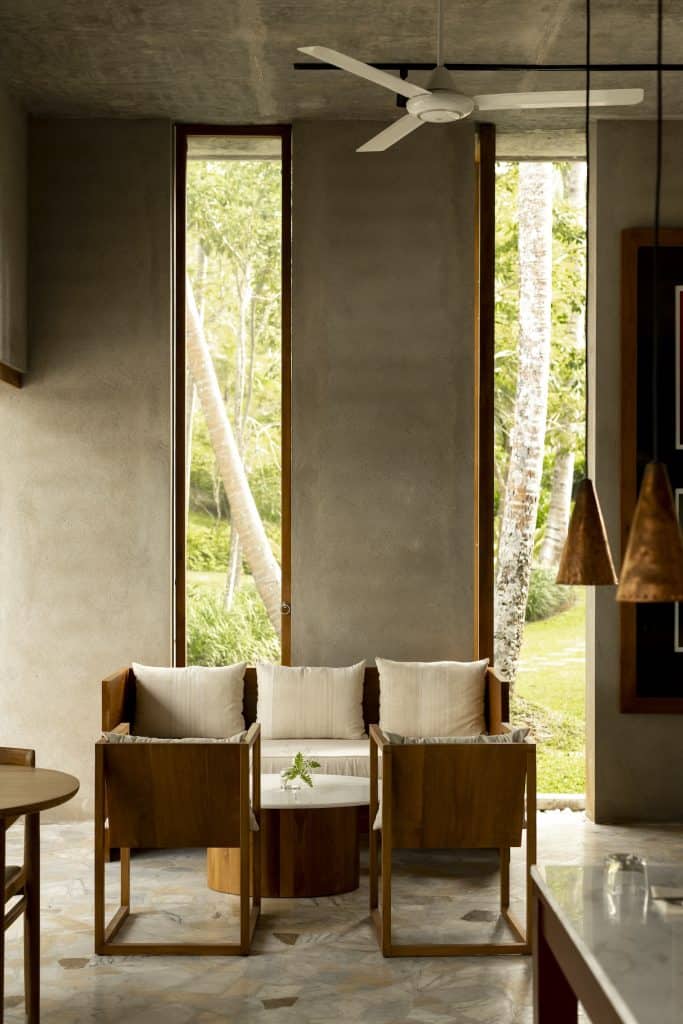
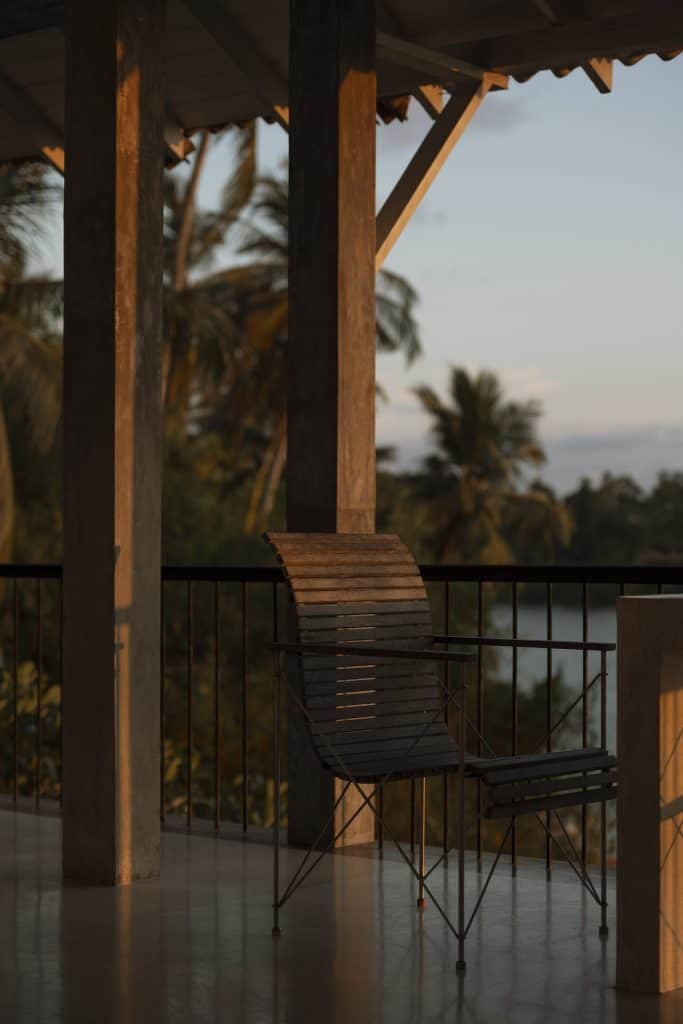
The house at Kurulu Bay is not only one of Channa’s most enchanting designs, it’s a stellar example of Tropical Modernism. Current custodian Shahzad Malik has added a separate dining pavilion and guest wing designed by Aoo Architects, low-slung beauties folded into the setting, overlooking Koggala Lake. Kurulu Bay also features heritage cottages, a striking lakeside yoga shala and two swimming pools amid acres of tropical garden.
From Kurulu Bay, it’s a 25-minute drive through countryside and coastal roads to Yatagala Raja Maha Viharaya, an ancient Buddhist temple built into giant granite boulders. The 2,000-year-old sanctuary features a Pilimage — an image house, with sacred statues and paintings — hidden beneath overhanging rock, alongside a sacred Bodhi tree, with beautiful views of the surrounding paddy fields from elevated stone terraces. Smaller in scale, Ranwella Viharaya houses a set of wonderfully eccentric murals, blending Buddhist artistry and British colonial motifs.
We’ll also visit one of the island’s finest examples of eco architecture, Trebartha East: The Roundhouse. Designed by Professor Narein Perera of the University of Moratuwa and constructed entirely of local timber, Trebartha recalls the edge of a forest clearing and at the same time a spaceship, resting lightly on the land.
The Roundhouse sits on a hill at the centre of a 12-acre cinnamon plantation. We’ll see how cinnamon is hand harvested and processed, Sri Lanka being one of the only producers of true cinnamon. Then it’s lunch on the circular veranda — peacocks calling, the valley stretching out below.
Day 10-14: Amangalla, Galle Fort
Ibn Battuta, the Moroccan Marco Polo, passed through Galle in the 1340s en route to the pilgrimage site of Adam’s Peak. He described it as a bustling port and lodged with an Arab sea captain named Ibrahim — proof the town was a centre of trade in gems, cinnamon and ivory, attracting Persian, Moorish, Indian, Malay and Chinese merchants, centuries before European colonisation.
Galle Fort is one of Sri Lanka’s eight UNESCO World Heritage Sites. Its walls hold Portuguese, Dutch and British layers, infused with the colour and flavour of those who came before them — a palimpsest of faiths and cultures fused into the fort’s mercantile soul.
We say goodbye to Kurulu Bay and make our way to Galle Fort and the dazzling Amangalla, our home for the last four nights. Built in 1684 for the Dutch colonial commander, the building later housed British soldiers before its rebirth as the New Oriental Hotel in 1865. The Ephraums family bought it in 1899, and for much of the 20th century it was run by the famously eccentric Nesta Brohier — the grand dame of Galle and one of the last Dutch Burghers to live within the fort — who greeted guests with her Dalmatians as a pianist played. Following a meticulous restoration overseen by Bawa-loving Australian architect Kerry Hill, it reopened as Amangalla in 2005.
Visiting the New Oriental Hotel whenever he was in Galle, Bawa appreciated the building’s preserved history and weathered charm. He also loved its bohemian spirit — we can only imagine he and Nesta were good friends — and often held court on the veranda over long drinking sessions with fellow artists and companions.
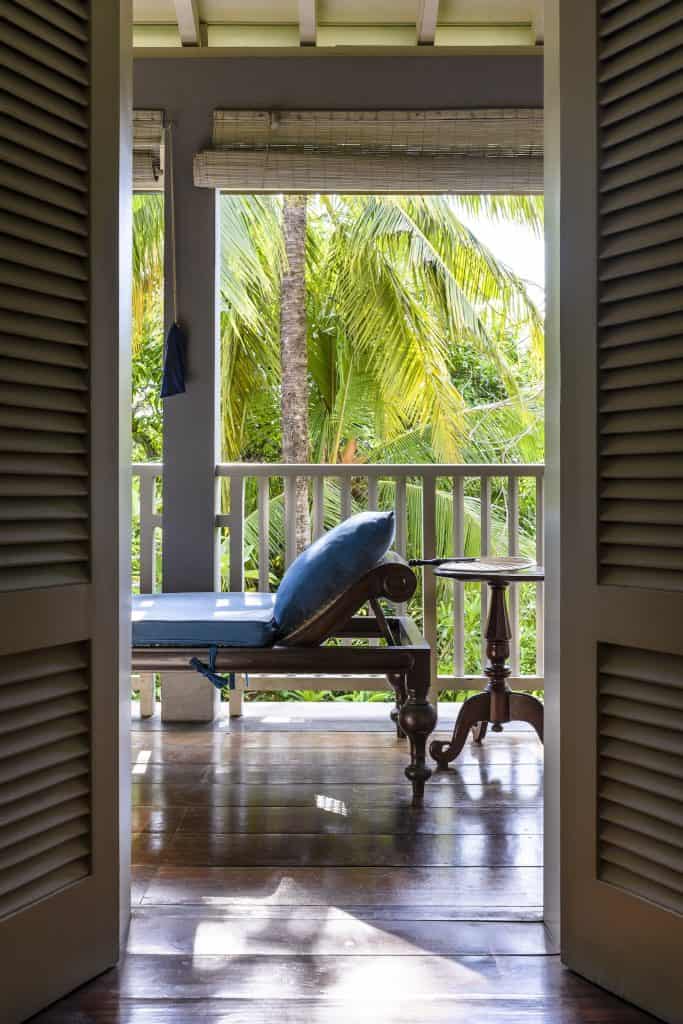
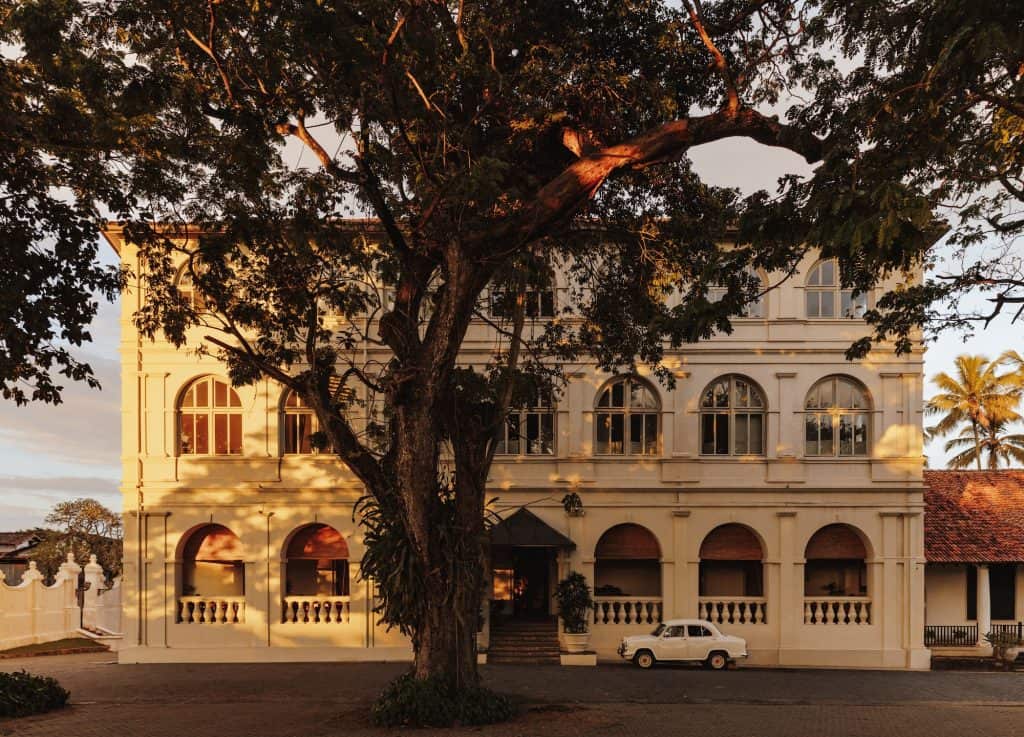
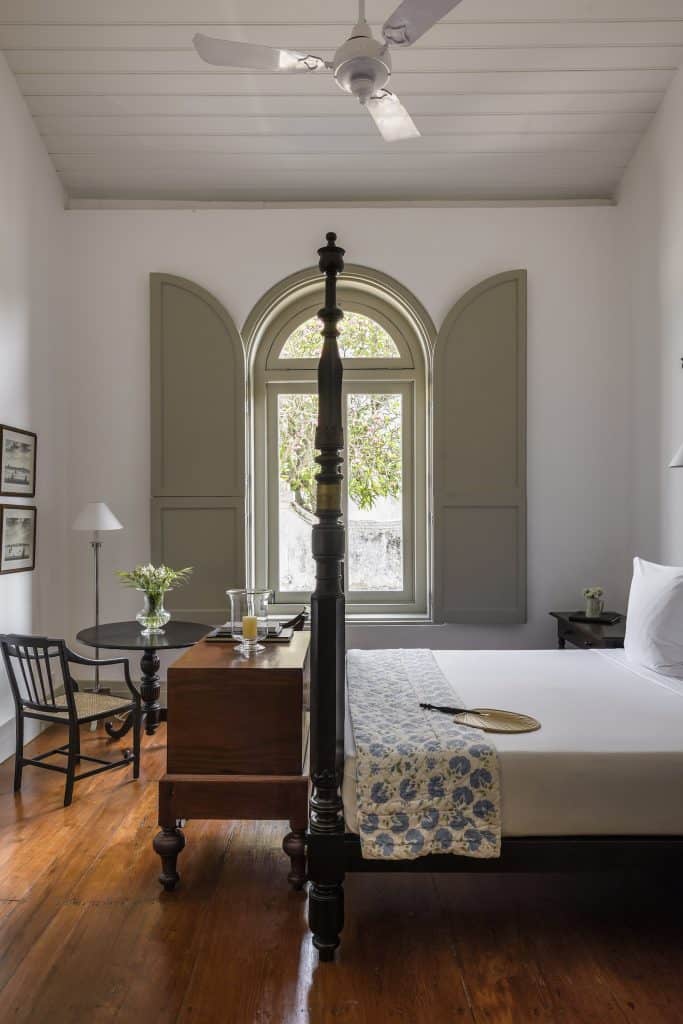
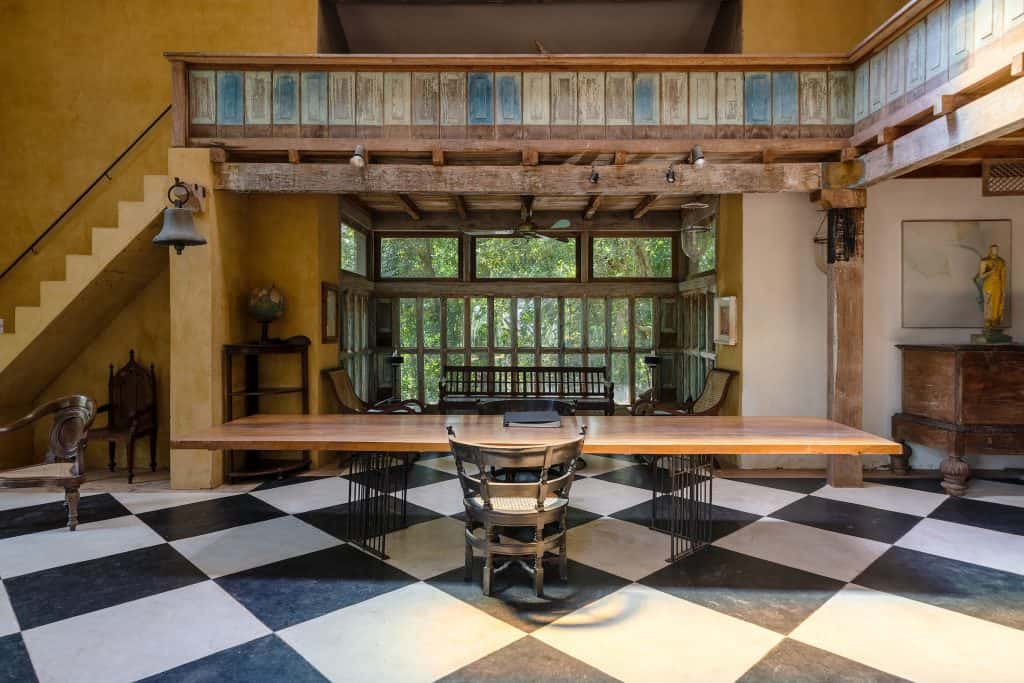
Dutch colonial buildings like this bear little resemblance to the architecture of 17th-century Holland, combining European and Asian influences instead — a precursor of sorts to Bawa’s hybrid ways. While it’s a world away from Tropical Modernism, the verandas, courtyard gardens, high ceilings, slow-turning fans and heavy Dutch colonial furniture were exactly Bawa’s thing.
Wandering the fort’s ramparts at sunset is a marvel. Locals turn out to enjoy their coastline — young lovers, women in colourful saris, children playing cricket, novice Buddhist monks posing for selfies — as the sky blazes pink over the Indian Ocean.
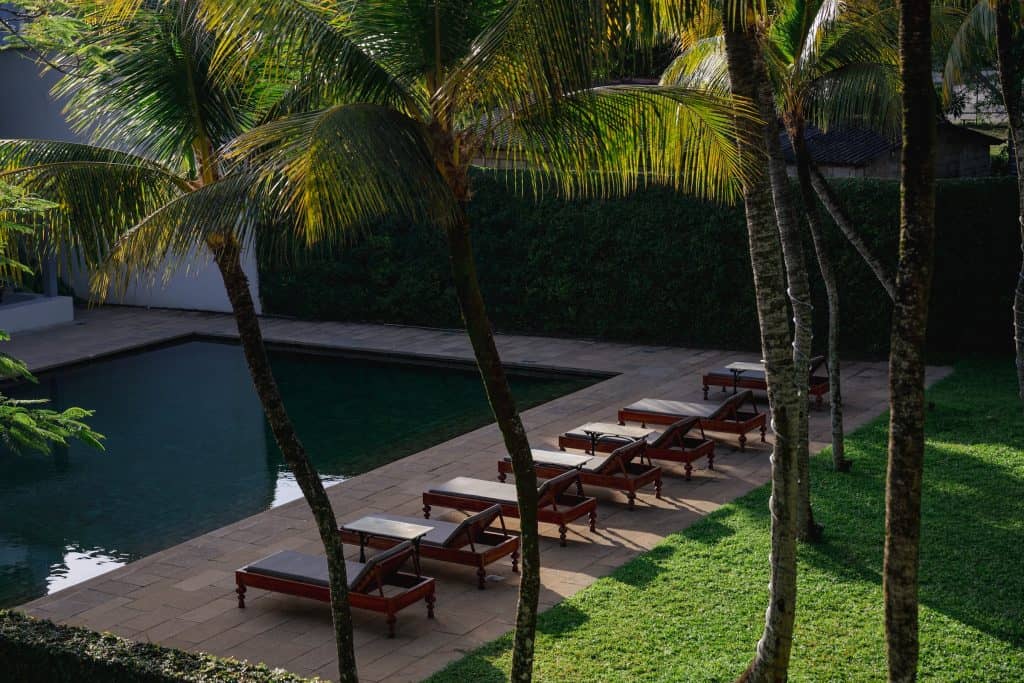
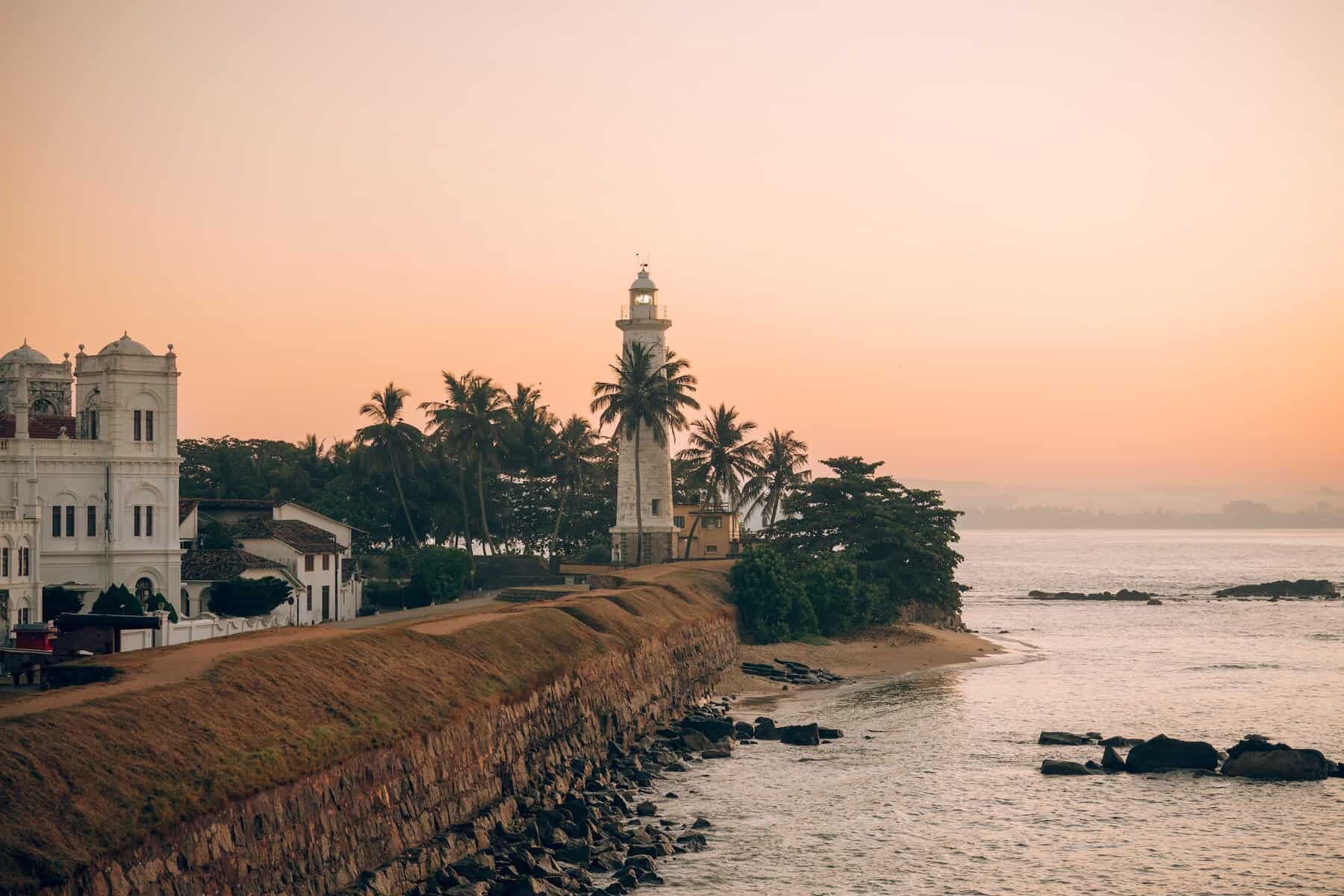
Galle is home to wonderful colonial churches — the floor of the Dutch Reformed Church is paved in 17th- and 18th-century gravestones salvaged from old Dutch cemeteries — as well as mosques and Buddhist monasteries, Galle Lighthouse, and the small but charming library, the oldest in Sri Lanka. But the real pleasure is getting lost in the town’s eclectic streetscapes. Shop for gems and cinnamon, eat homemade ice cream and take in the faded grandeur of the fort. Then back to Amangalla for a dip in the jade-green pool and the only decision you’ll have to make that day: what you’ll wear to dinner.
Also:
The Pursuit Of Sri Lanka can be experienced on its own, or as the foundation for a larger trip. Potential add-ons include the Cultural Triangle, defined by the ancient capitals Anuradhapura, Polonnaruwa and Kandy; the misty highlands of tea country; off-the-beaten-path nature reserves like Gal Oya Lodge; and the beaches of the east coast.
Should you need additional accommodation due to early/late flights, Geoffrey Bawa’s first hotel, the Blue Lagoon — now Jetwing Lagoon Wellness — is a 30-minute drive from Bandaranaike International Airport. Its design mirrors the traditional Sri Lankan rest house: colonial-era travellers’ lodgings comprising a line of rooms, each with their own veranda, connected by a covered walkway to a central dining loggia — a template Bawa returned to time and time again. The indoor-outdoor bathroom we associate with Bali was in fact pioneered by Bawa at the Blue Lagoon. It’s not Amangalla — but it might be where the Aman story truly began.
If you need any of the above, just let me know.
Photography: Lunuganga Trust, Amangalla, Kurulu Bay and Jason Mowen.
Included:
- Private airport transfers
- 3 nights accommodation De Saram House or No. 11, Colombo
- 3 nights accommodation Lunuganga
- 3 nights accommodation Kurulu Bay
- 4 nights accommodation Amangalla
- Breakfast, lunch and dinner daily, including alcoholic beverages
- Experiences, entrance fees and local guides where required
- Transport throughout itinerary
Not Included:
- Flights to/from Sri Lanka
- Comprehensive travel insurance
- Visa or travel requirements to enter Sri Lanka
- Spa treatments, room service, laundry
- Some gratuities
Also:
- Suite upgrades available, pending availability
- Additional accommodation can be arranged should you wish to arrive earlier in Negombo or Colombo
- You will receive a more detailed itinerary prior to departure
Jason Mowen is an Australian interior designer and writer who divides his time between Murrurundi in the Upper Hunter and Matino, Puglia. An inveterate traveller, he has worked with tourism boards, luxury hotels and cultural institutions to promote atmospheric travel across the globe.
Jason is a contributor to Vogue Living, Gourmet Traveller and The Murrurundi Argus. His words have also appeared in Australian Financial Review and international publications such as Vogue India and Conde Nast Traveller, while his interiors have been published in Elle Decor, Belle and AD.
His travel style is unhurried and full of passion, seeking beauty and interest in unexpected places and always avoiding the crowd.
Terms and Conditions:
If you choose to book your flight in advance of final confirmation, please book a refundable fare and/or obtain travel insurance to protect yourself against additional charges, should dates change or if cancellation occurs.
You will be required to pay a deposit of 50% of the total booking cost, unless the booking is made 120 days or less prior to departure, in which case full payment must be paid when booking.
Cancellation up to 120 days prior to the arrival date, 30% of the total amount will be charged. From 120-90 days prior to the arrival date, 50% of the total amount will be charged. From 90-45 days prior to the arrival date, 70% will be charged. Thereafter, 100% of the total amount will be charged.
Fully comprehensive travel insurance is required for the trip. Please provide proof of insurance prior to departure.
Please note that while all efforts are made to present the itinerary as presented, we reserves the right to make any changes to the final itinerary deemed necessary, or due to circumstances beyond our control, such as flight changes, cancellations, political disturbances, natural disasters, etc.
Photographs and video recordings of guests may be used by The Pursuit Of for promotional purposes.