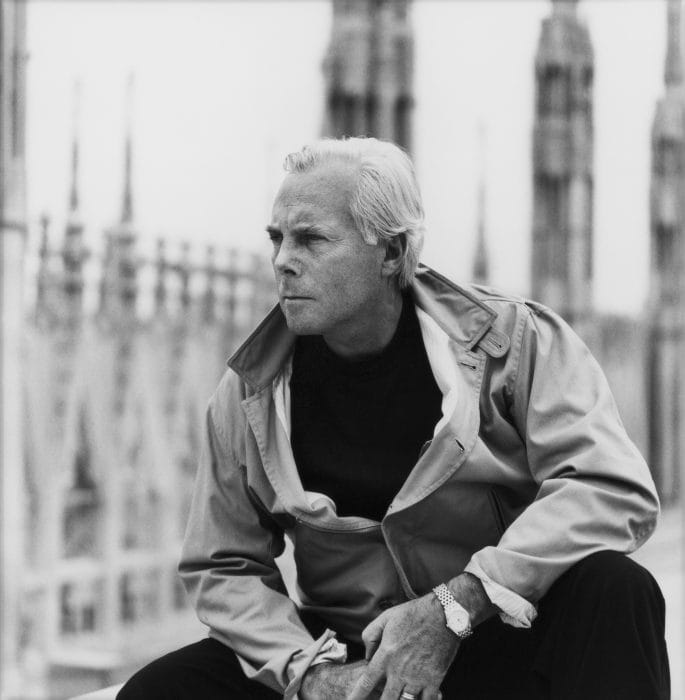
Giorgio Armani.
The life and world-building legacy of Giorgio Armani.
As the sirens wailed in Piacenza in 1944, a young Giorgio Armani huddled in an air-raid shelter with his family, the ground trembling around them as the Allies dropped their bombs. Outside, resources had long been scarce and rationing was the norm. Not exactly the ingredients of a happy childhood, although decades later, this wartime experience would inform his design philosophy.
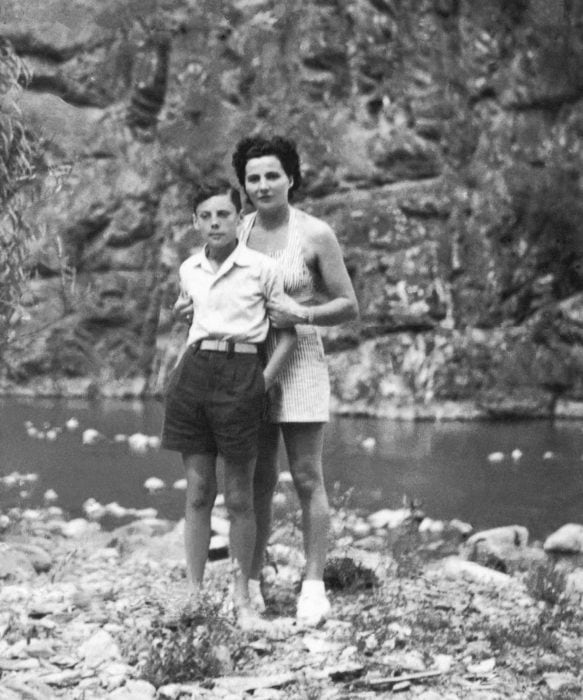
“When you have little, you learn to remove everything unnecessary,” Armani recalled in his 2015 autobiography, Per Amore. The depravation of his early years shaped his approach to fashion, favouring clean lines and order over chaos, with a deep respect for precision, sensitive to restraint. Even before the war the family’s circumstances were modest. His mother, Maria, went without to make clothes for her three children, impressing young Giorgio with her ability to transform ordinary textiles into garments of simple beauty.
Creativity and elegance out of adversity; meticulous attention to detail: when Giorgio Armani died on September 4 at the age of 91, the world lost one of its titans of design. His €2.3 billion empire straddled fashion, furniture, sport and hotels. Most impressive he was the sole shareholder.
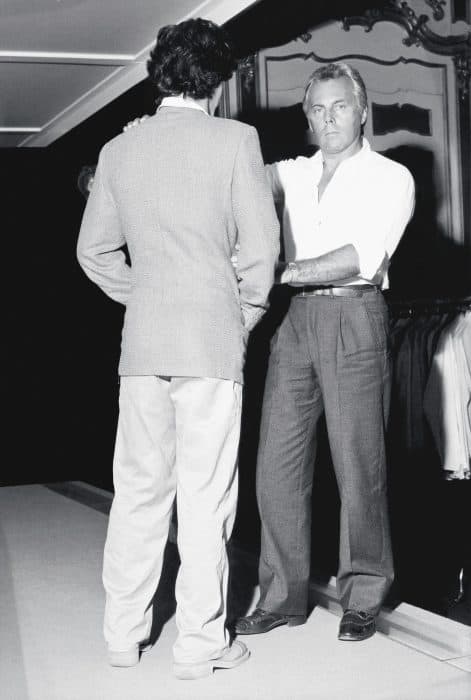
He launched his eponymous label in 1975, a quiet revolution that challenged the way men dressed in stiff jackets, stitched, padded and interlined to reshape the torso. His unconstructed blazer threw traditional tailoring on its head—and when a buffed Richard Gere donned Giorgio Armani in the 1980 cult film American Gigolo, the brand went global, marking the beginning of a decades-long collaboration with Hollywood, on and off the screen.
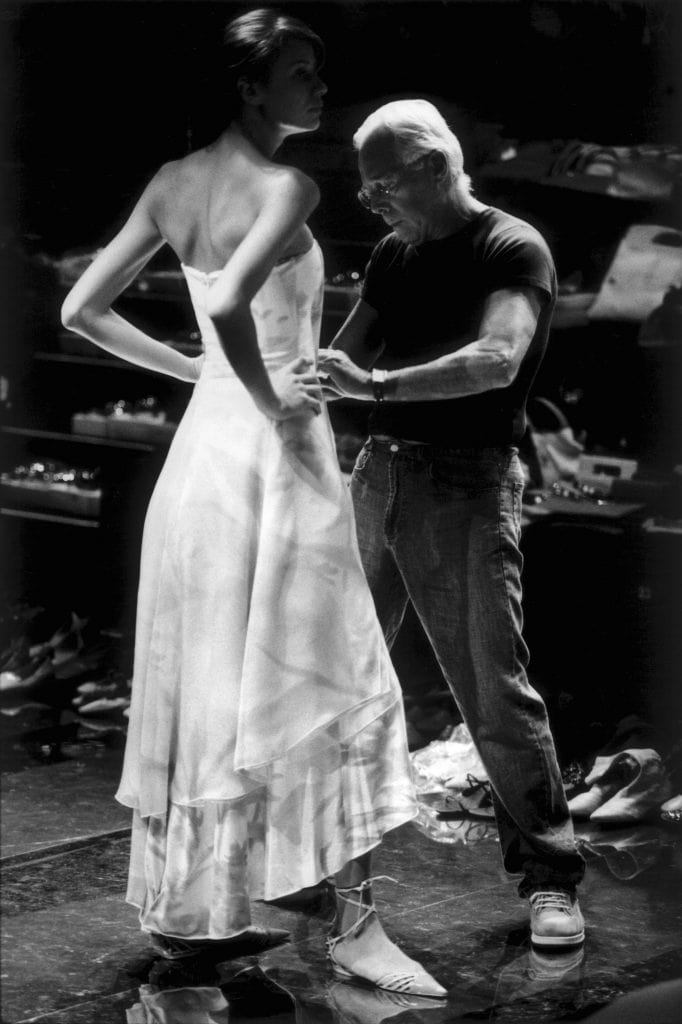
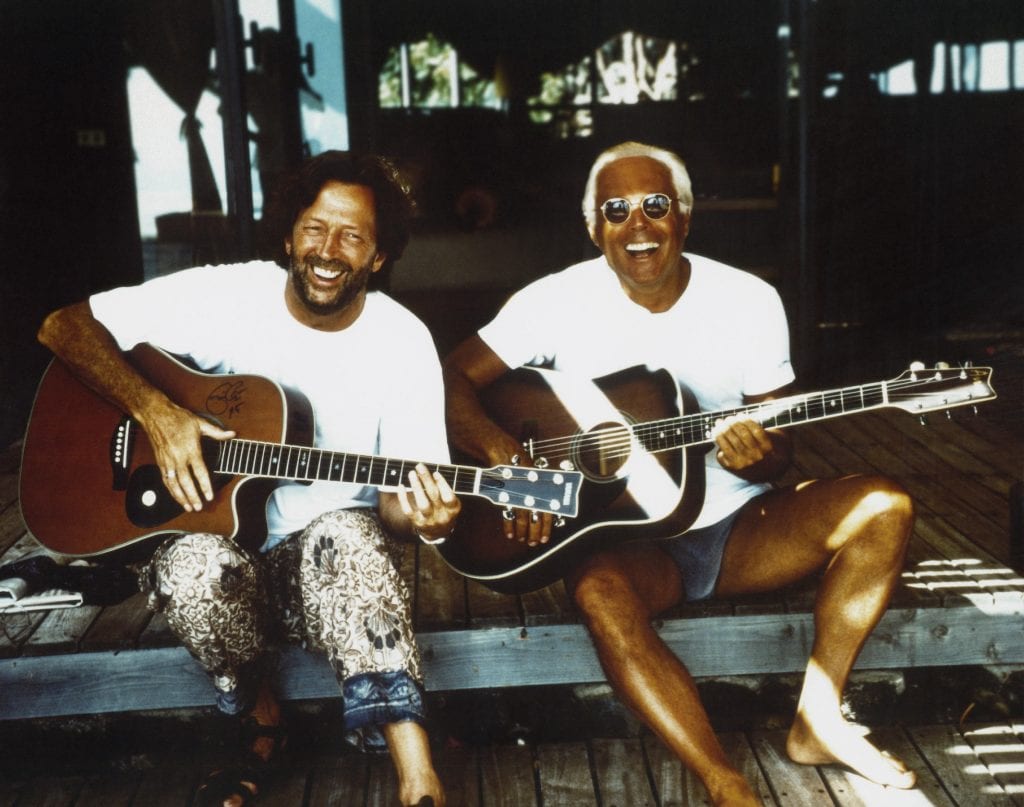
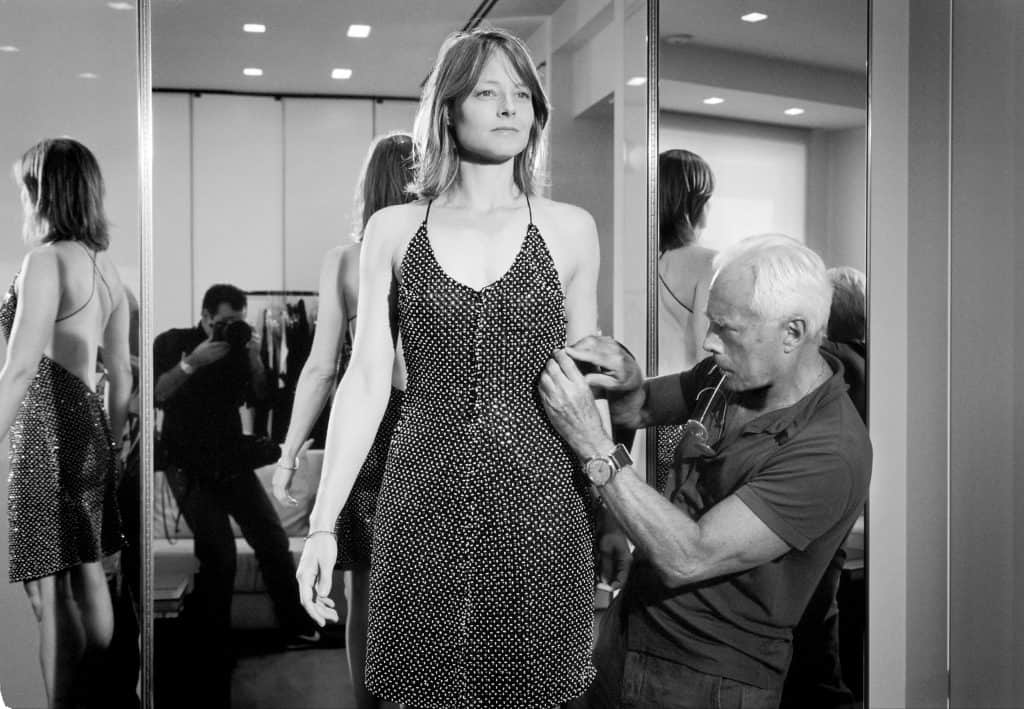
What Armani did for men he also did for women. “I’ve always been interested in blurring the lines where gender-specific design is concerned,” he said. Groundbreaking collections stemmed from the same deconstructed blazer, launching his signature power-dressing aesthetic. The timing was perfect, with the emergence of cashed-up working women navigating the business world of men.
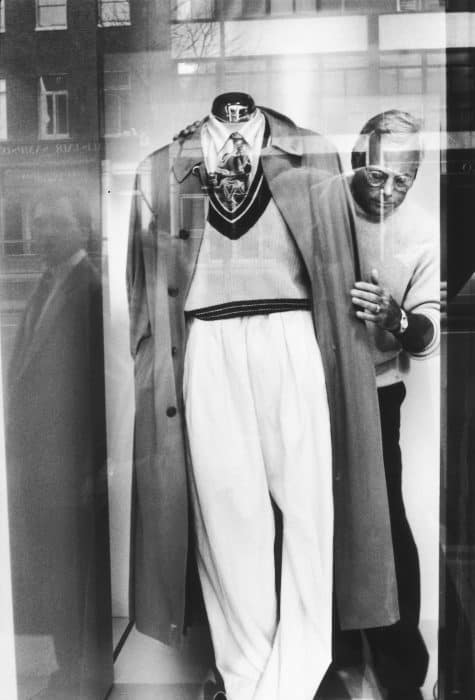
None of this happened until Armani was in his 40’s. He studied medicine out of school but left before completing his degree. Next was a stint dressing windows at La Rinascente, learning firsthand how presentation informs perception. He began designing menswear for Nino Cerruti in 1961 and was soon freelancing for various Italian brands.
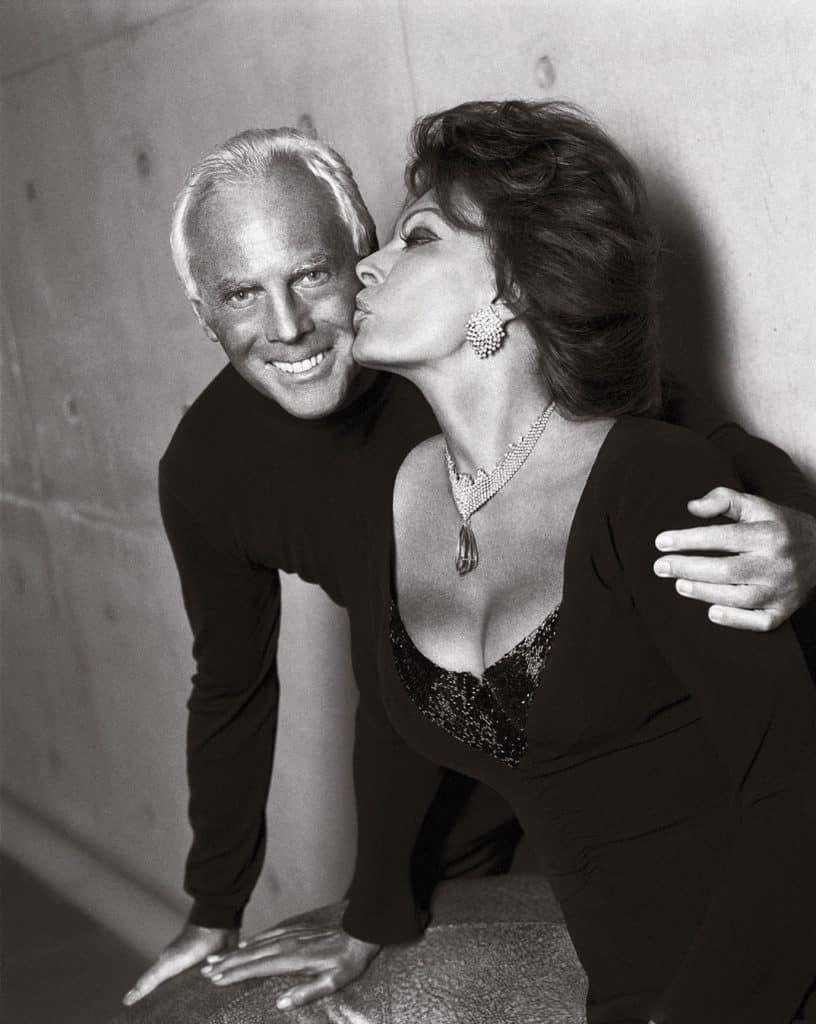
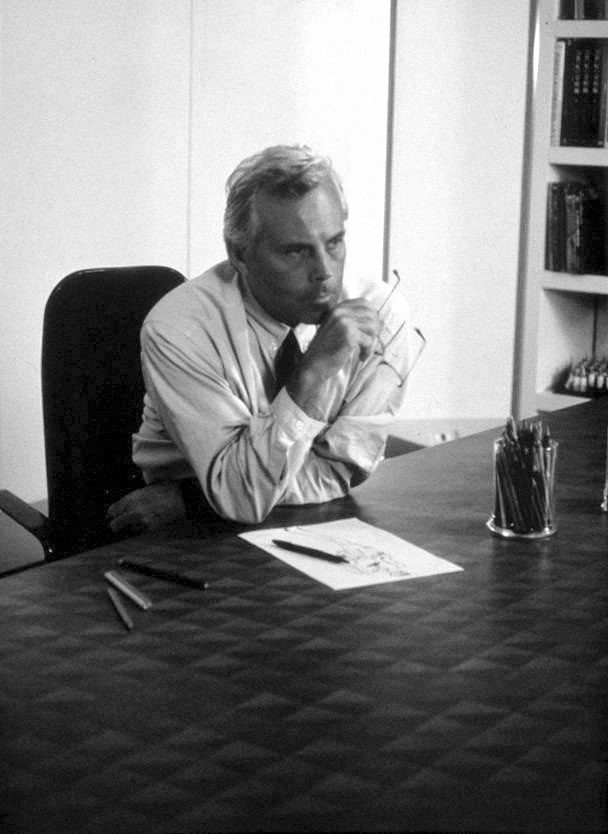
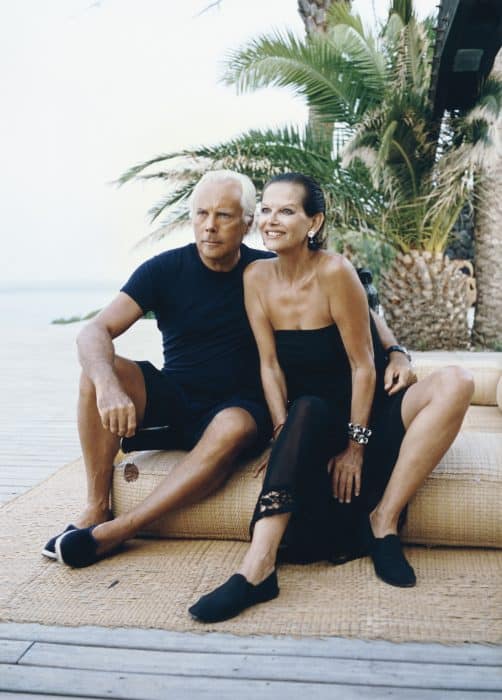
Fate dealt its hand in 1966 when Armani met Sergio Galeotti, his partner-to-be in business and love. Galeotti felt the designer was wasting his time working for others and, famously, convinced him to sell his Volkswagen to raise funds to launch Giorgio Armani S.p.A. It was an immediate success. Italian boutiques were quick to place orders, as was Barneys New York in 1976, with Saks, Harrods and Harvey Nichols following suit. Capturing the streetwear zeitgeist, he launched Emporio Armani and Armani Jeans in 1981, got the cover of Time magazine in 1982 and opened the first Giorgio Armani boutique in Milan in 1983.
Tragedy struck two years later when Galeotti died of AIDS related illness. Everyone thought the company would fold—Galeotti was the business-minded Pierre Bergé to creative Armani’s Yves Saint Laurent—but the disciplined designer assumed all management duties, emerging stronger than ever as chairman and CEO.
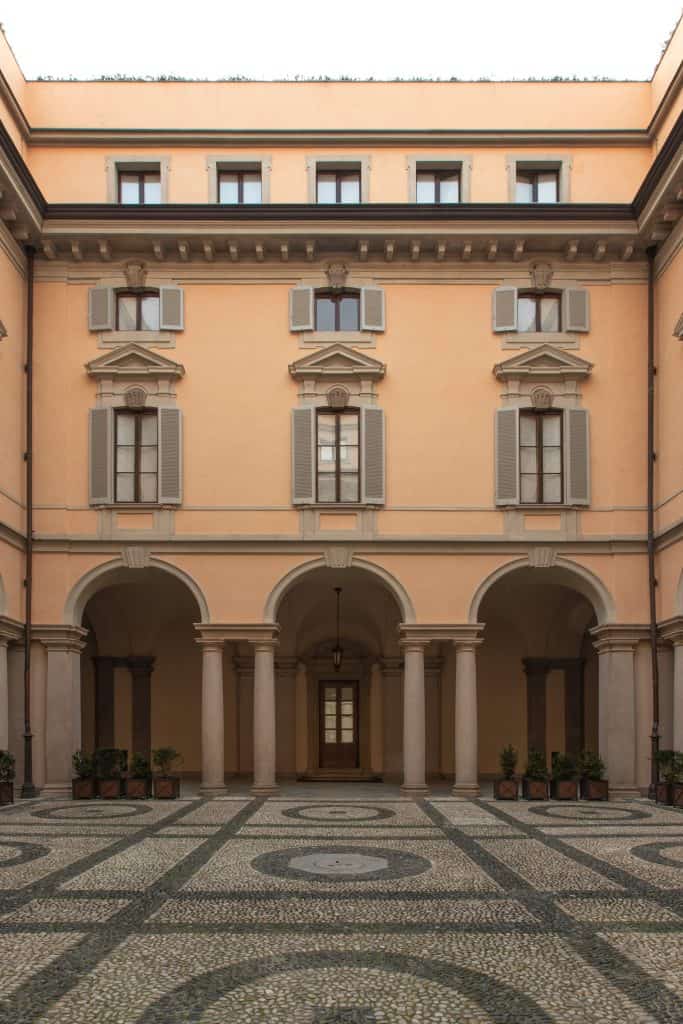
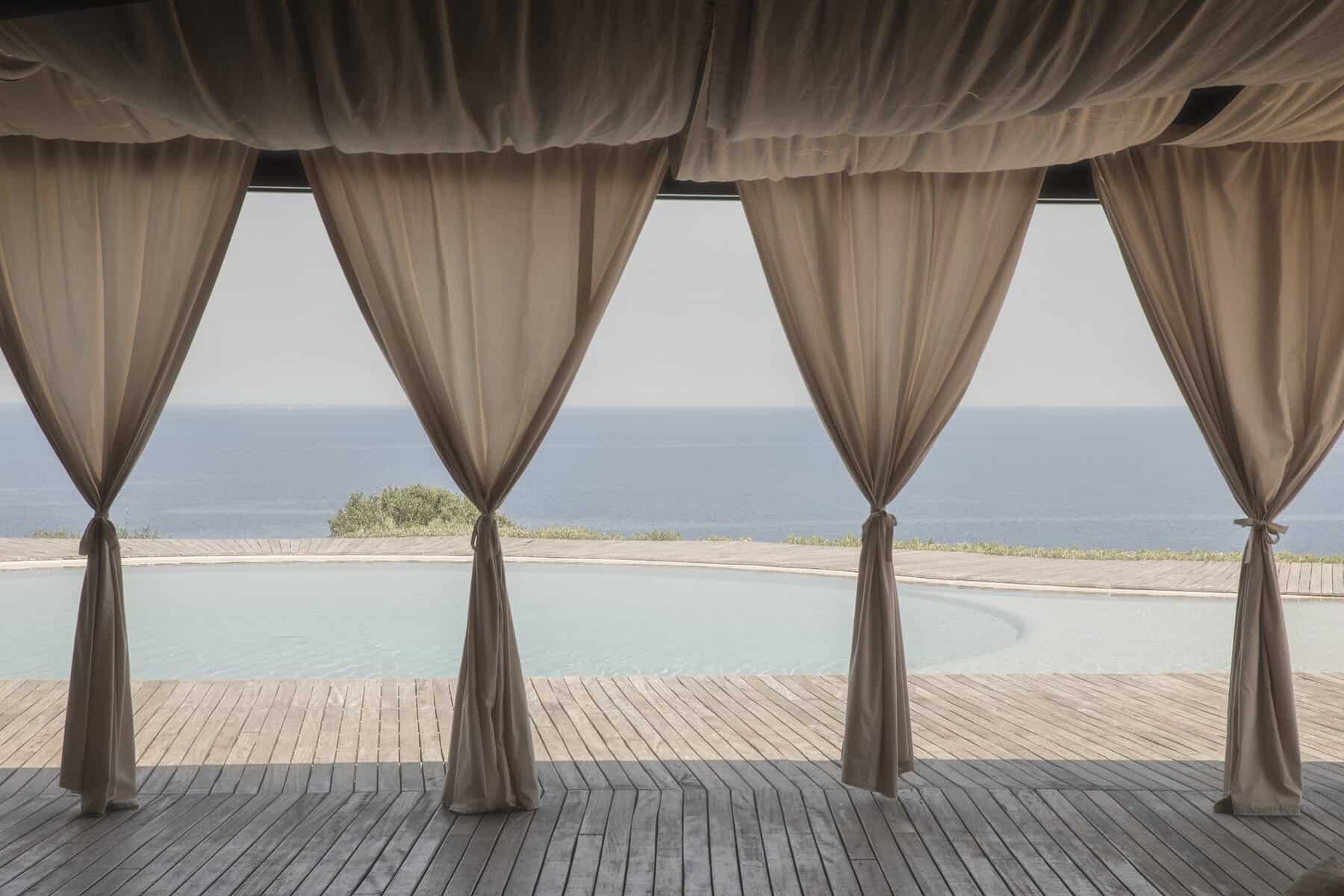
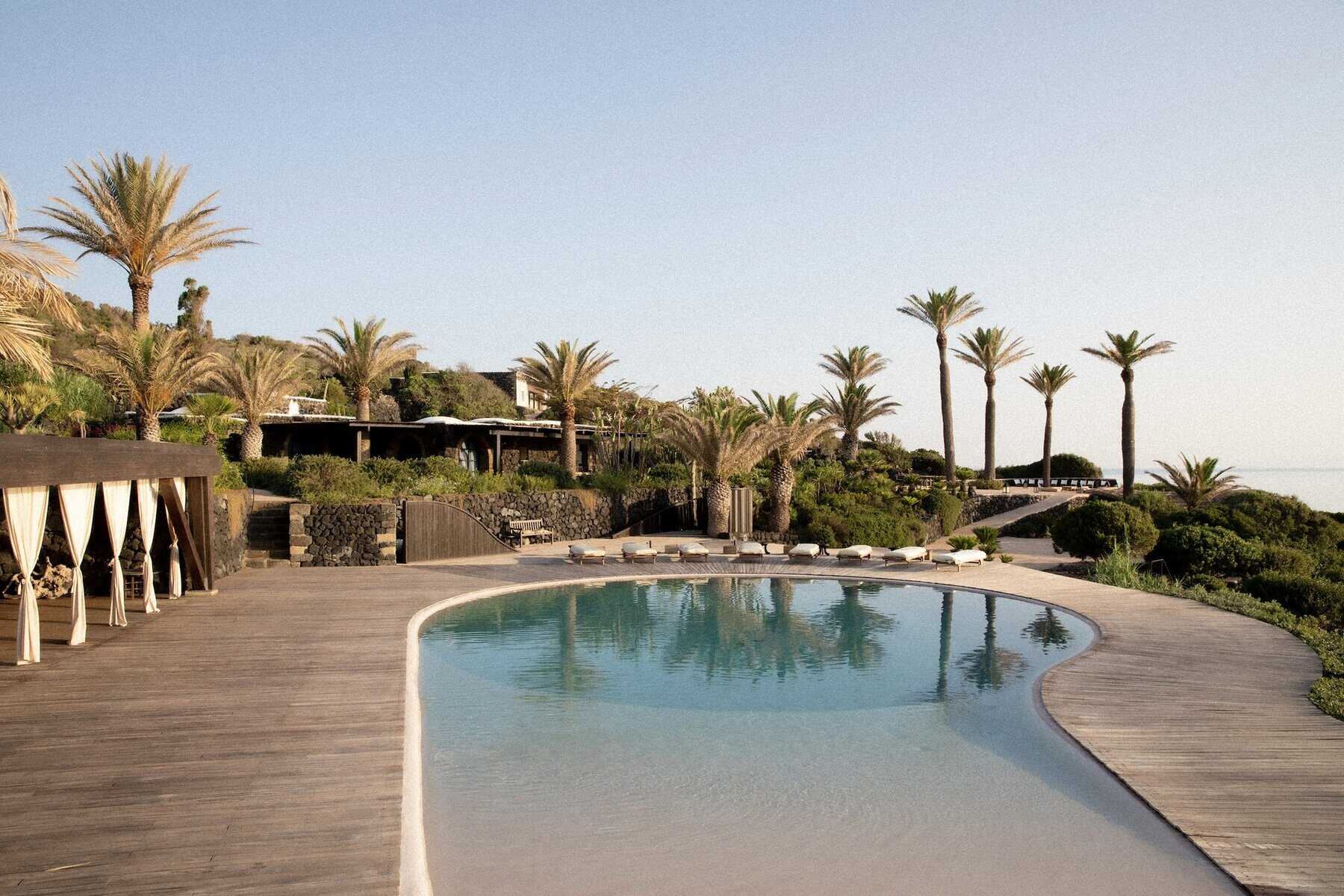
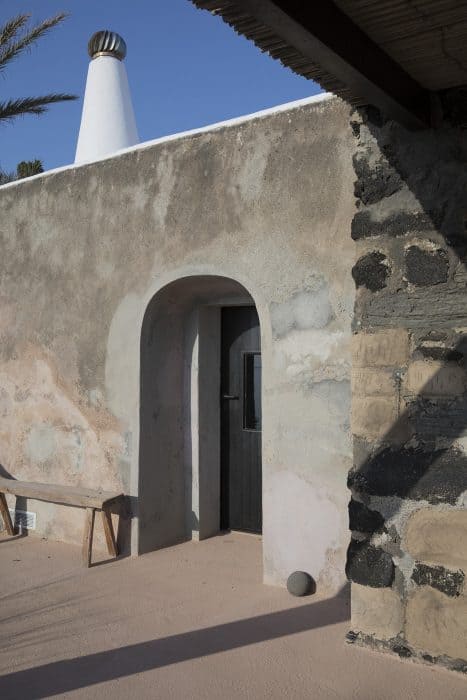
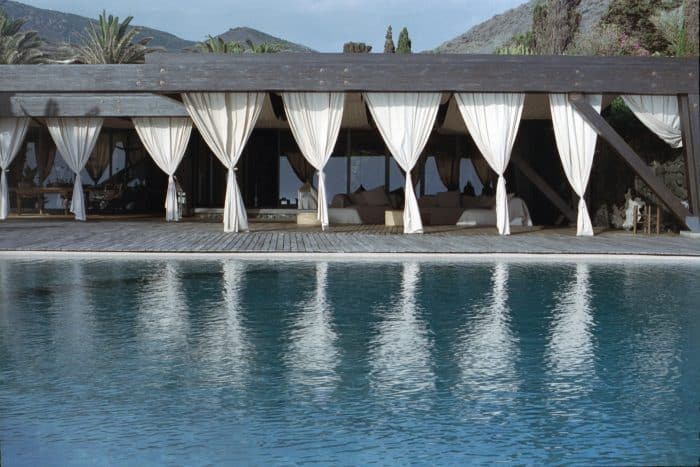
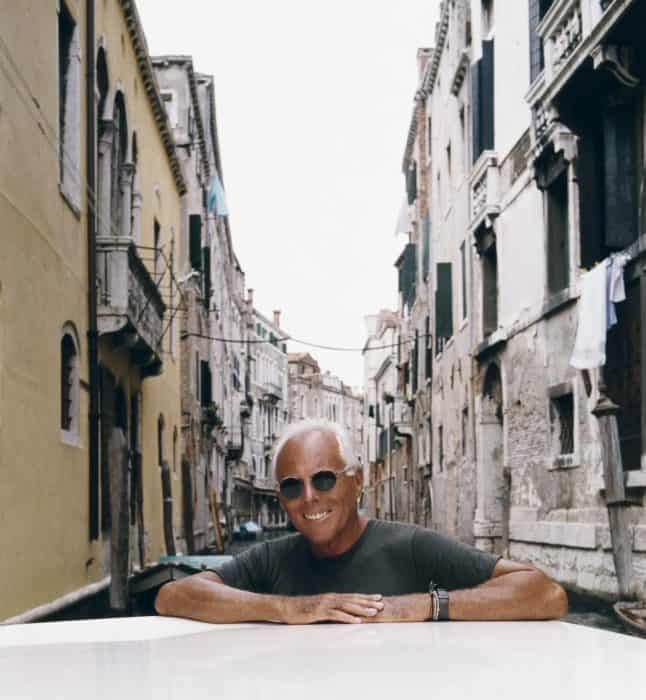
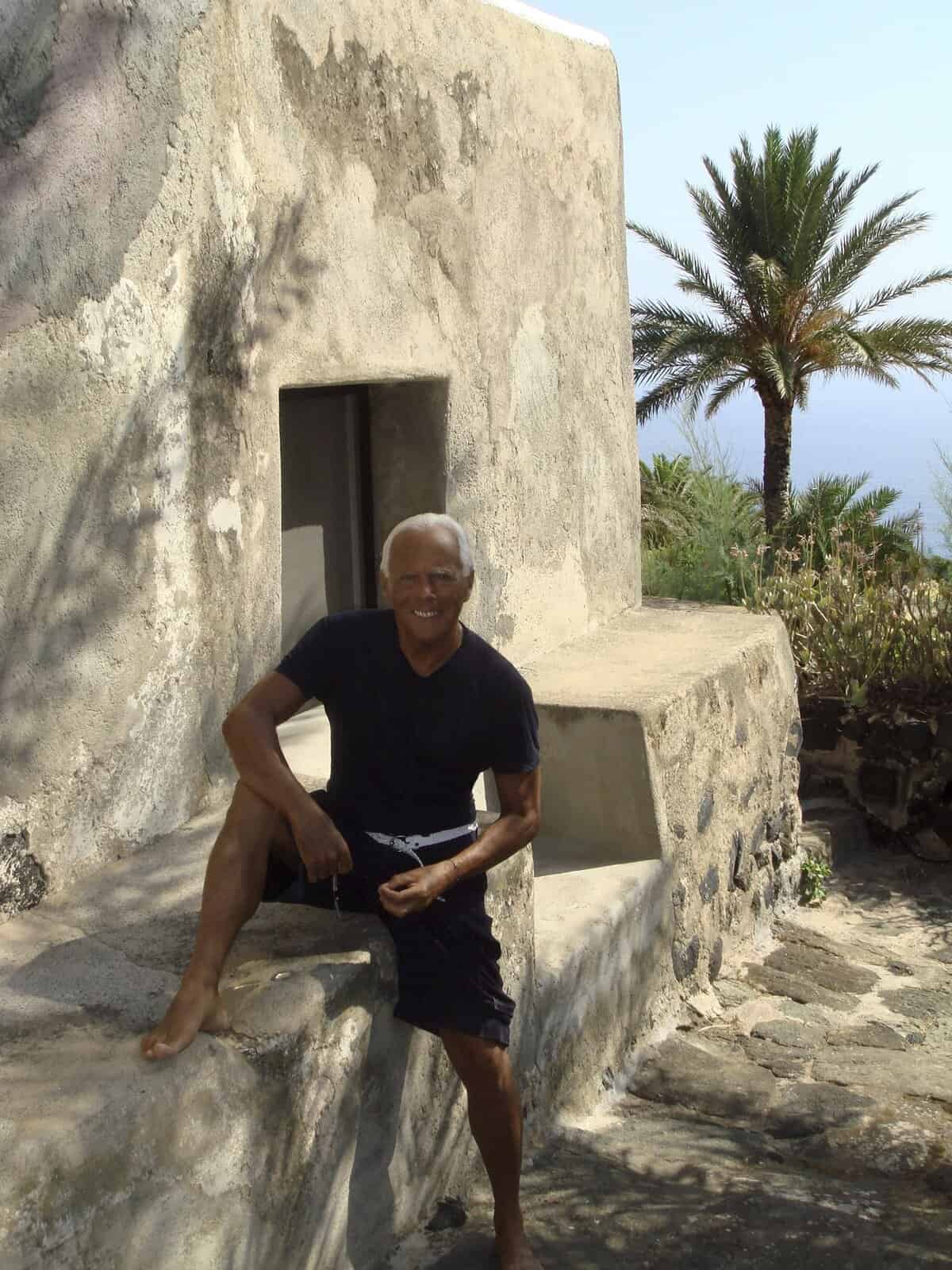
Armani’s relationship with Milan was symbiotic: as his empire grew, the city flourished, becoming a major player on the international fashion stage. In 1984, he bought a 2,000m2 apartment in Palazzo Orsini, a grand 17th pile in the centro storico. There were other residences—a penthouse overlooking New York’s Central Park, a villa in St. Tropez and a jaw-dropping series of damussi on the island of Pantelleria—but Milan was home.
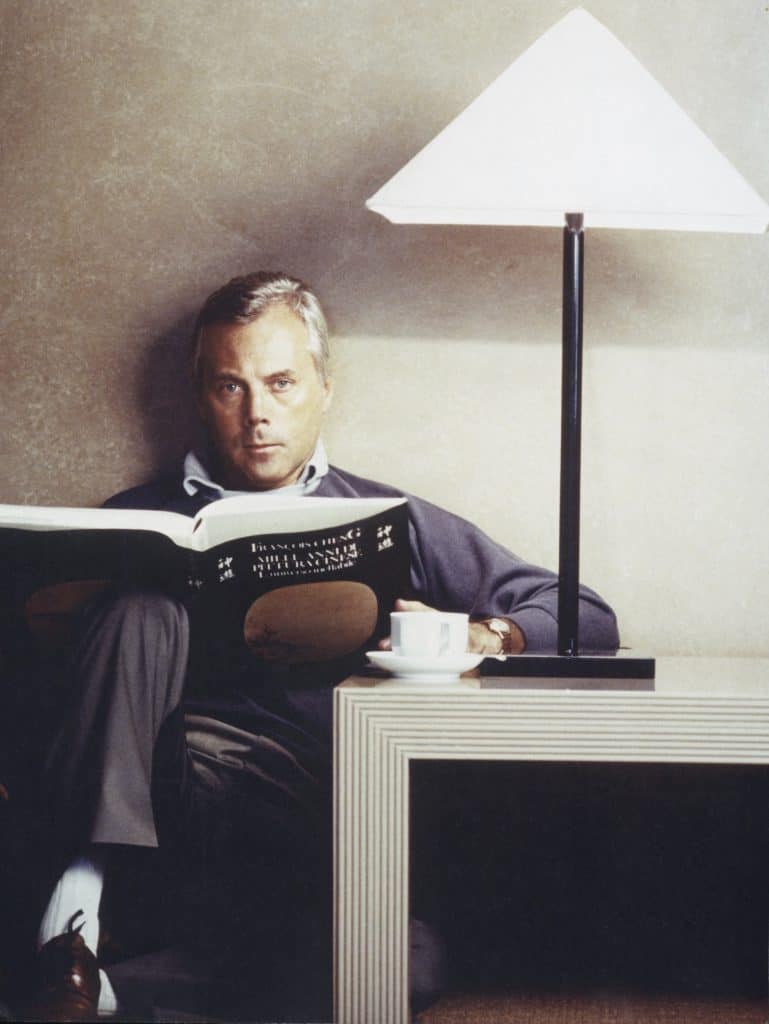
“I’m truly convinced that your home is a reflection of yourself, of your personality; it tells the story of who you are,” he said earlier this year. “My favourite home is Milan, where my favourite room is a study on the third floor. I spend most of my time there. It’s a haven within a haven, for both work and reflection. I have a desk and a small armchair with an animal-print design, both designed by Jean-Michel Frank, which I absolutely love.”
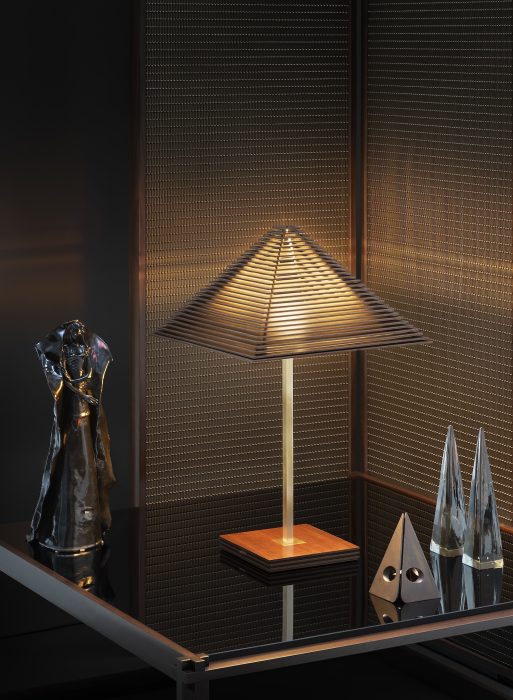
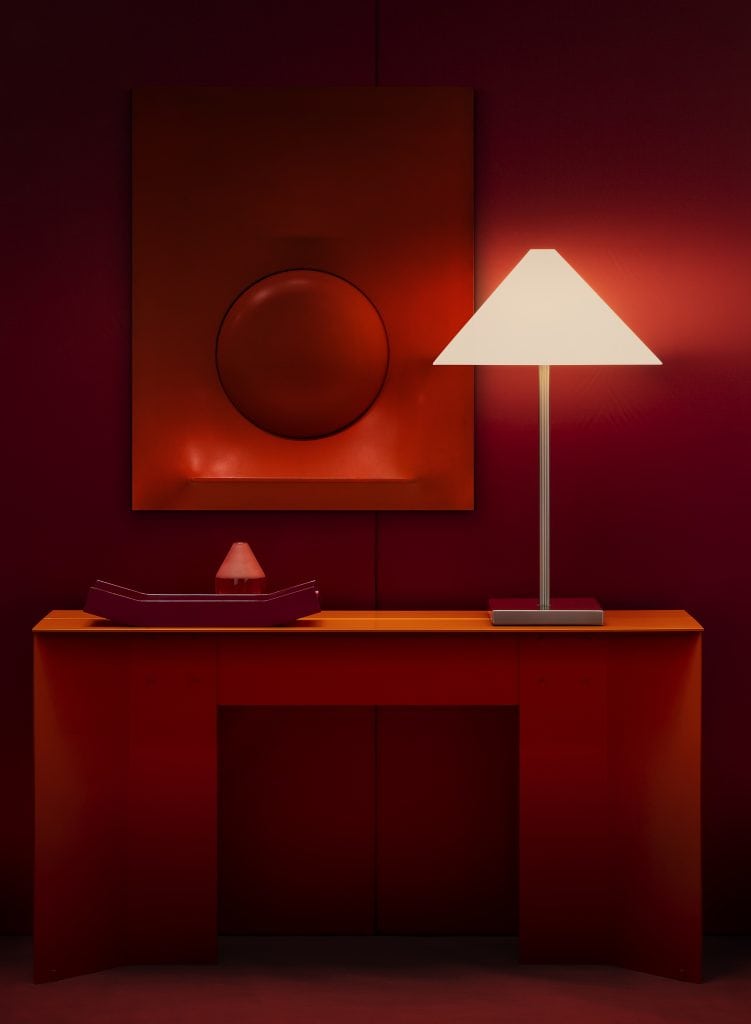
As the streamlined silhouettes of the 1930’s inspired Armani’s early runway collections, Frank’s clean lines and sophisticated materials palette informed his foray into the world of interiors with the 2000 launch of Armani/Casa. Alongside Art Deco, Japanese minimalism and the natural world have been leitmotifs. The first piece was the iconic Logo Lamp, designed in 1982 when Armani needed lighting for his office. Other beauties include the Camilla Desk and the curvaceous Borromini chaise longue.
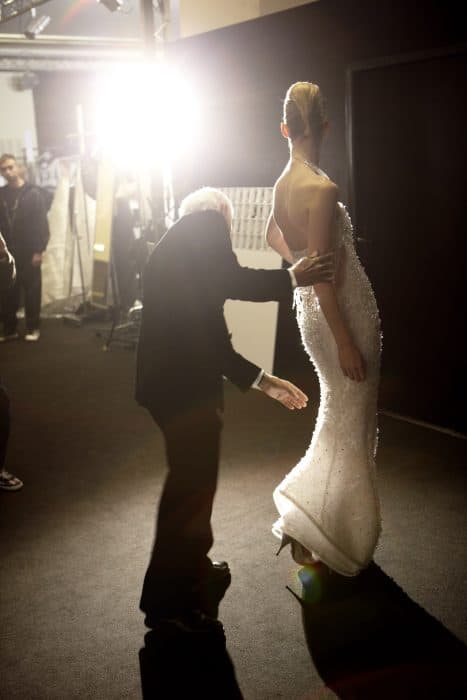
Giorgio Armani spent his final months choreographing a 50-year anniversary, set to take place in the courtyard of the Pinacoteca di Brera. He died three weeks before, but the show, a presentation of his Spring/Summer 2026 collection, went ahead. It was a great farewell to a great man and there in the front row was Richard Gere, the Armani-clad gigolo who rocketed them both to stardom.
Explore the world of Giorgio Armani.
From a story originally published in Vogue Living.
Photography: Roger Hutchings, Vittoriano Rastelli, Emanuele Scorcelletti, Sante D’Orazio, Luca De Santis and Thibaut de Saint Chamas, courtesy of Giorgio Armani.