Interview
Yulia Koval.
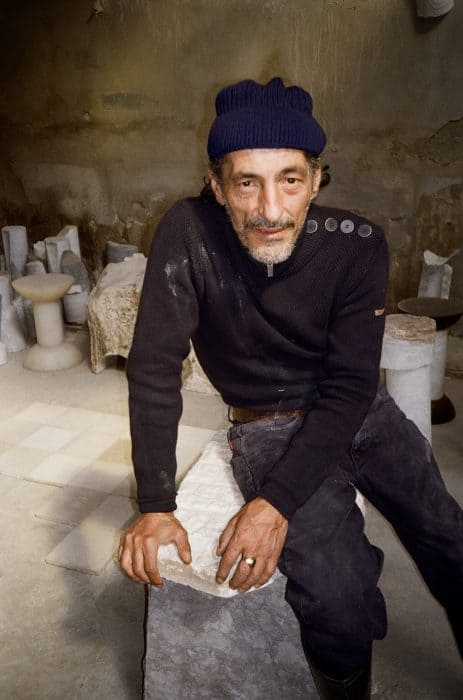
Yulia Koval grew up moving between countries, trained her eye in Russia and eventually landed in Athens — a city, she says, that still prizes conversation over screens. In this interview, the Russian photographer talks about her nomadic childhood, finding her creative path through photography and why Athens was where she finally put down roots.
A few months ago, I was at Dexamenes Seaside Hotel in the Peloponnese hosting The Pursuit Of Greece. Waiting for my guests to arrive one evening, a couple came into the hotel bar with their corgi, pulled out a travel chess board and began to play. How cool, I thought: a young and gorgeous couple in the bar of a fashionable hotel, playing chess rather than looking at their phones.
I ran into one of my guests the following morning, who had struck up a conversation with the couple. Joining them I noticed her carrying what looked like a film camera. Introductions were made. Her name was Yulia Koval and yes, she was a photographer. Her husband Sasha worked in marketing. The corgi, Pulka, was a rescue. They were from Russia but lived in Athens. Again, I thought, how cool; we even knew someone in common.
We swapped numbers and arranged to meet back in the city, catching up at a cafe in Exarchia one Sunday morning. Yulia and Sasha make the most charming couple — kind, smart, interested, creative — and over coffee and Greek panini, they shared with me their story, moving from Russia to Greece.
Where are you from?
I was born in Baku, Azerbaijan, where my mother’s family had lived for five generations. After the collapse of the Soviet Union, everything our parents knew began to fall apart, and we had to leave. It was a time filled with uncertainty, adults whispering about borders and futures, and children trying to understand what ‘home’ really meant.
We moved to Tashkent, Uzbekistan, but soon an economic crisis began. My sister and I went to live with our grandparents in a small town in the Volgograd region. Those seven years were a strange mixture of warmth and distance. We grew up surrounded by nature, books and new environments, almost without seeing our parents. And that’s where I first entered the world of photography.
What drew you to photography?
I studied engineering and graduated as a telecommunications engineer. It gave me discipline and structure, a way of thinking that still shapes how I approach creative work. Over the years, I explored different fields: art, journalism and fashion. One of the most transformative experiences was working in the communications department at Gucci, where I learned how imagery and storytelling can build emotion, not just convey information.
Eventually, I realised that photography wasn’t just something I loved, it was the language I’d been searching for all along. It allows me to connect past and present, movement and stillness, reason and emotion, everything that shaped me.
My goal is to create spaces of stillness and reflection amid the endless flow of information and noise. In some ways, photography is a form of therapy for me, a way to return to myself. At first, I shot digitally, but I quickly realized my heart belonged to film.
What is it about film?
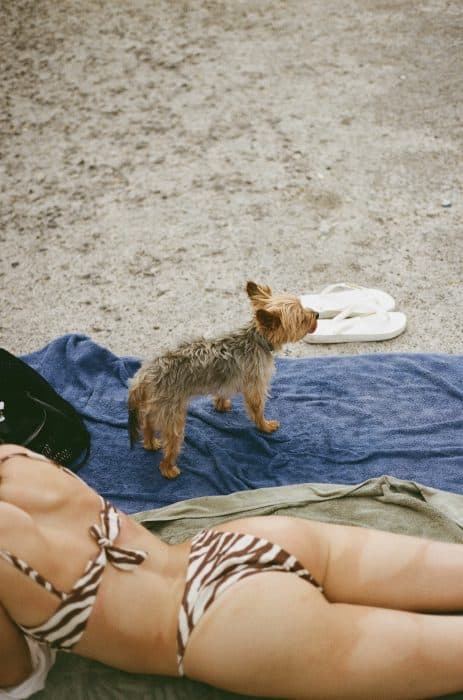
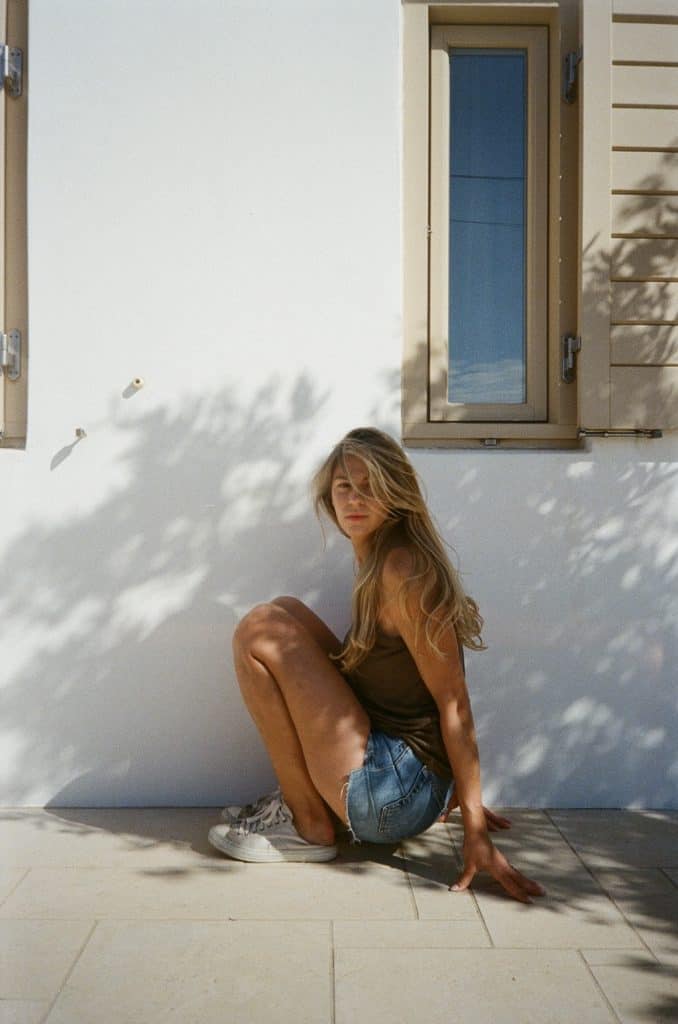
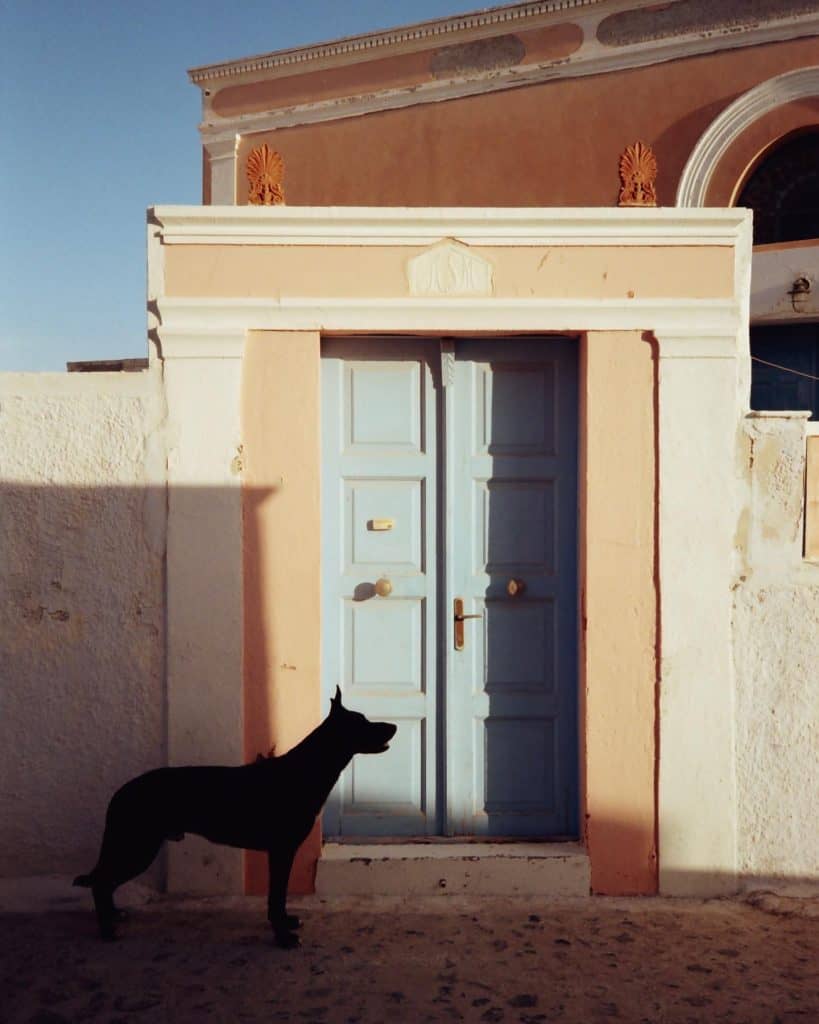
Film gives me a sense of authenticity, of being truly in contact with reality. It doesn’t allow endless shooting; it teaches you to be attentive to the light, the rhythm, the breath of life around you. The grain, the natural colour, the small imperfections. All of it creates a sense of time you can almost touch. Film teaches you to slow down, to be present. In an age when everything is accelerated and digitised, it’s my way of staying connected to the world and to myself.
I love Athens for its layers. I love the sense that time moves differently here. It doesn’t rush—it lingers beside you.
Tell me about your move to Greece?
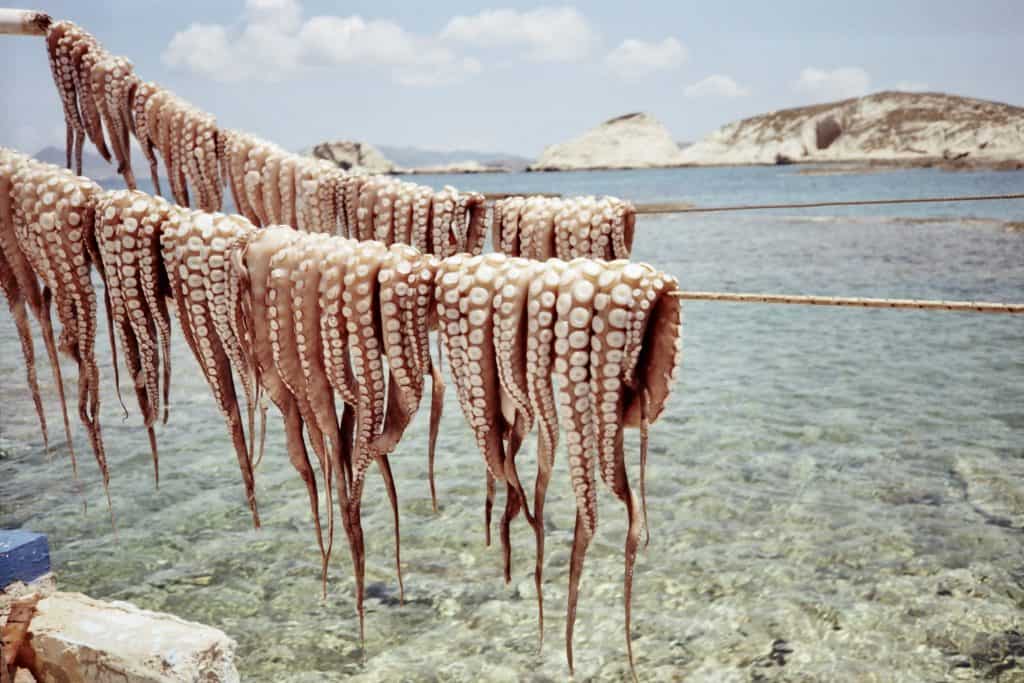
We moved to Athens about three years ago. At first, it was the Greek islands that drew us in. I used to visit in summer, searching for silence and inspiration. We had long dreamed of moving somewhere else, but always postponed it for one reason or another. Then Greece introduced a program for digital nomads, people who could work remotely, and a friend of ours, Nafsika, who owns the magical Skinopi Lodge on Milos, reached out. A few months later, we found ourselves celebrating Christmas in Athens. The city pulled us in completely, its energy, rhythm, and warmth. There’s a sense of openness and inner freedom here that matches my own pace of life.
Where do you live in Athens?
We live on the border of Kolonaki and Ambelokipi. It’s a calm, residential area, though on match days, you can hear the Panathinaikos fans chanting from their home stadium a few hundred metres away. Lycabettus Hill rises just behind our building, and within minutes you can find yourself in what feels like a real forest, foxes included. From the top, the city unfolds beneath you: Athens, the sea, and the Saronic Islands shimmering on the horizon. It’s one of those rare places where the view feels like a prayer.
What are your favourite things to do in Athens? And favourite bars and restaurants?
As soon as we arrived here, the first thing we did was go to the National Garden, a large park in the city centre, very green, with various birds, animals, and turtles. I still enjoy walking there. The art scene here is also very interesting. I like that something is happening all the time, every week (unless we’re talking about the summer, when everything goes quiet) there are new openings and premieres. Among the galleries, I would highlight Gagosian (they are literally my neighbours), Hot Wheels, Breeder, CAN, Crux. Tositsa 3 is another very interesting space, where several exhibitions are gathered in one building. And of course, the excellent space at the Stavros Niarchos Foundation by the sea, where there is a beautiful park and the building itself with a library and an observation deck on top — gorgeous.
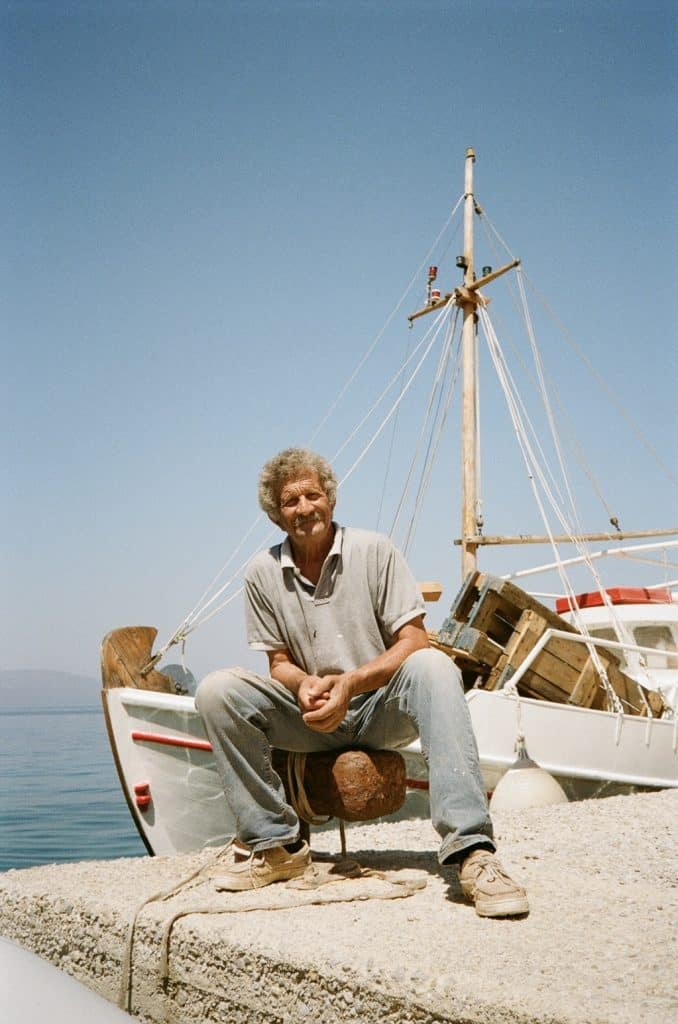
What’s more, if you have a car, it’s easy to get out of Athens to the sea or the mountains; there are great places within a 1-2 hour drive from any point in the city. There are basketball courts everywhere (the best one is right in the centre, opposite the ancient marble Kalimarmaro stadium) and many tennis courts; we only started playing tennis ourselves when we moved here. The weather allows you to play outside virtually all year round, even in February.
I have many favourite places to eat and drink in Athens, but if I had to choose a few: Taverna Ton Filon, Athos, Yperokeanio, Linou, and Pharaoh. There’s also a small, nameless cocktail bar near Pharaoh, quiet, hidden, and always filled with familiar faces.
Where do you like to escape to?
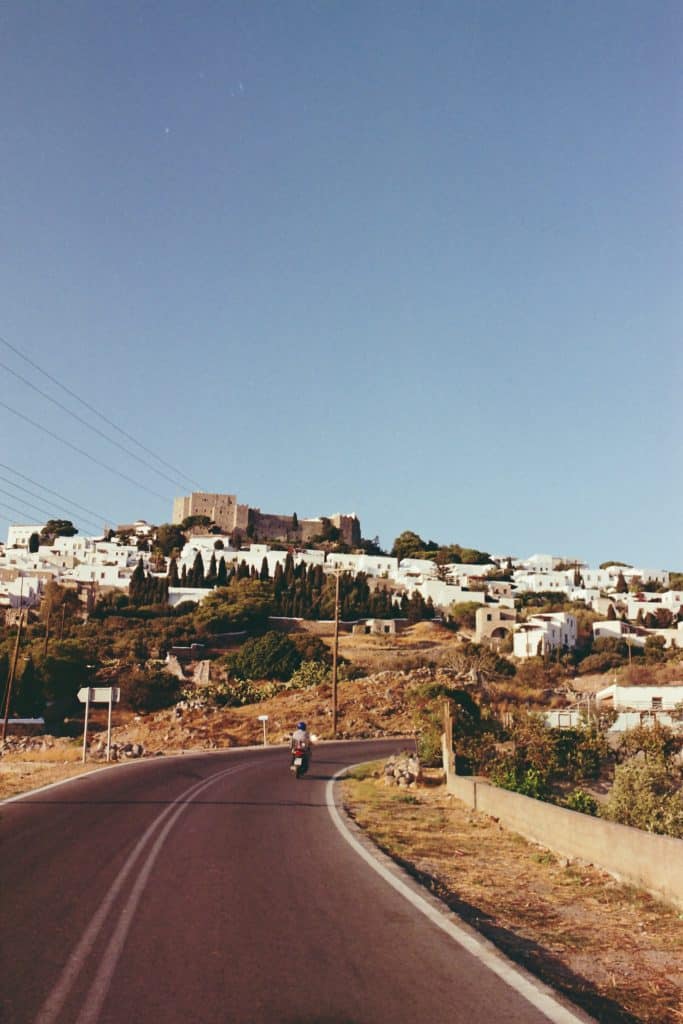
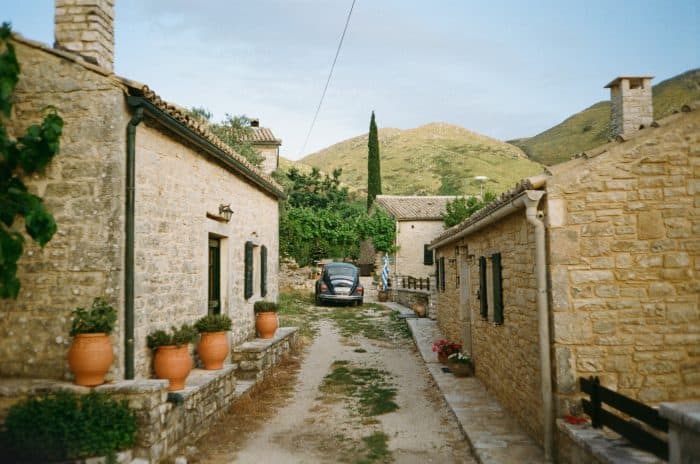
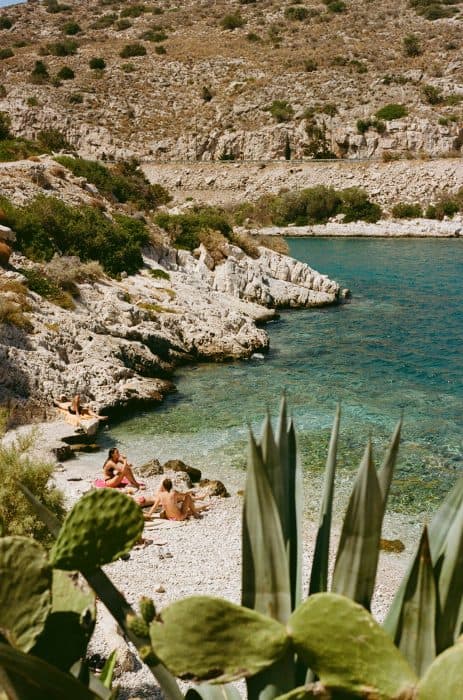
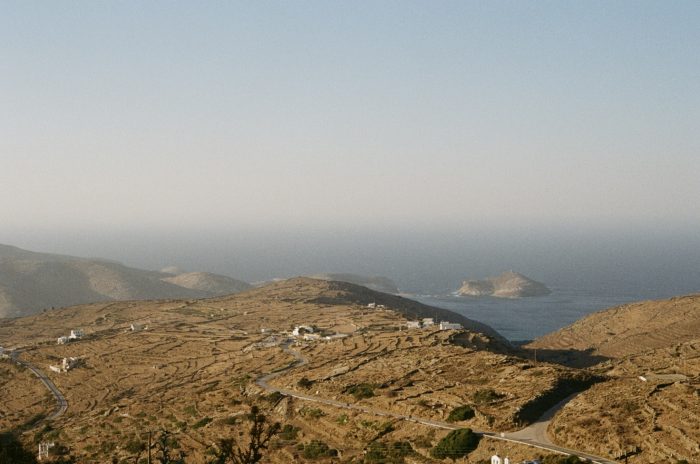
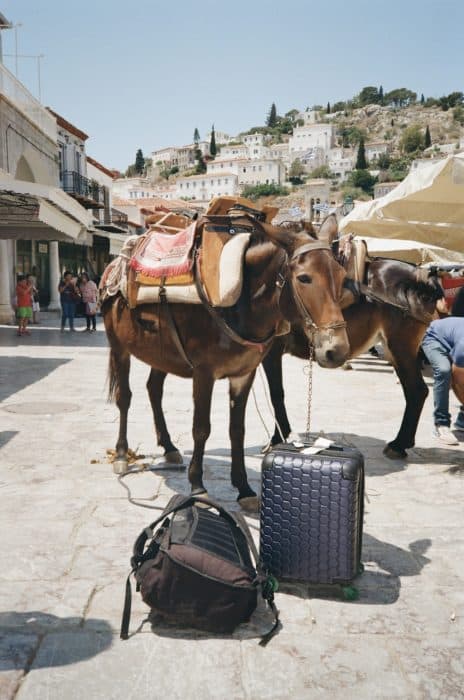
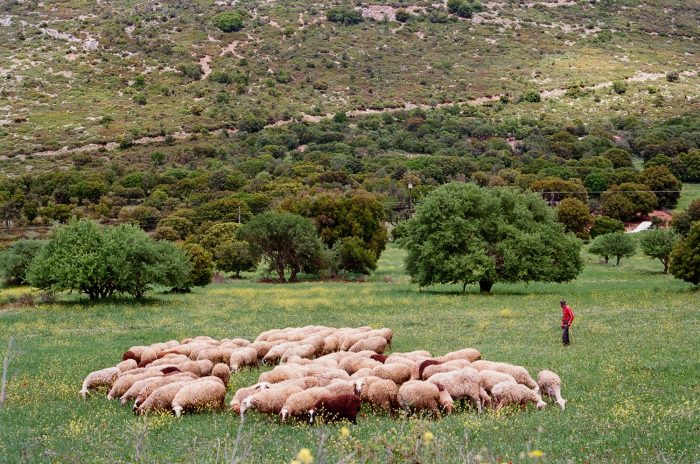
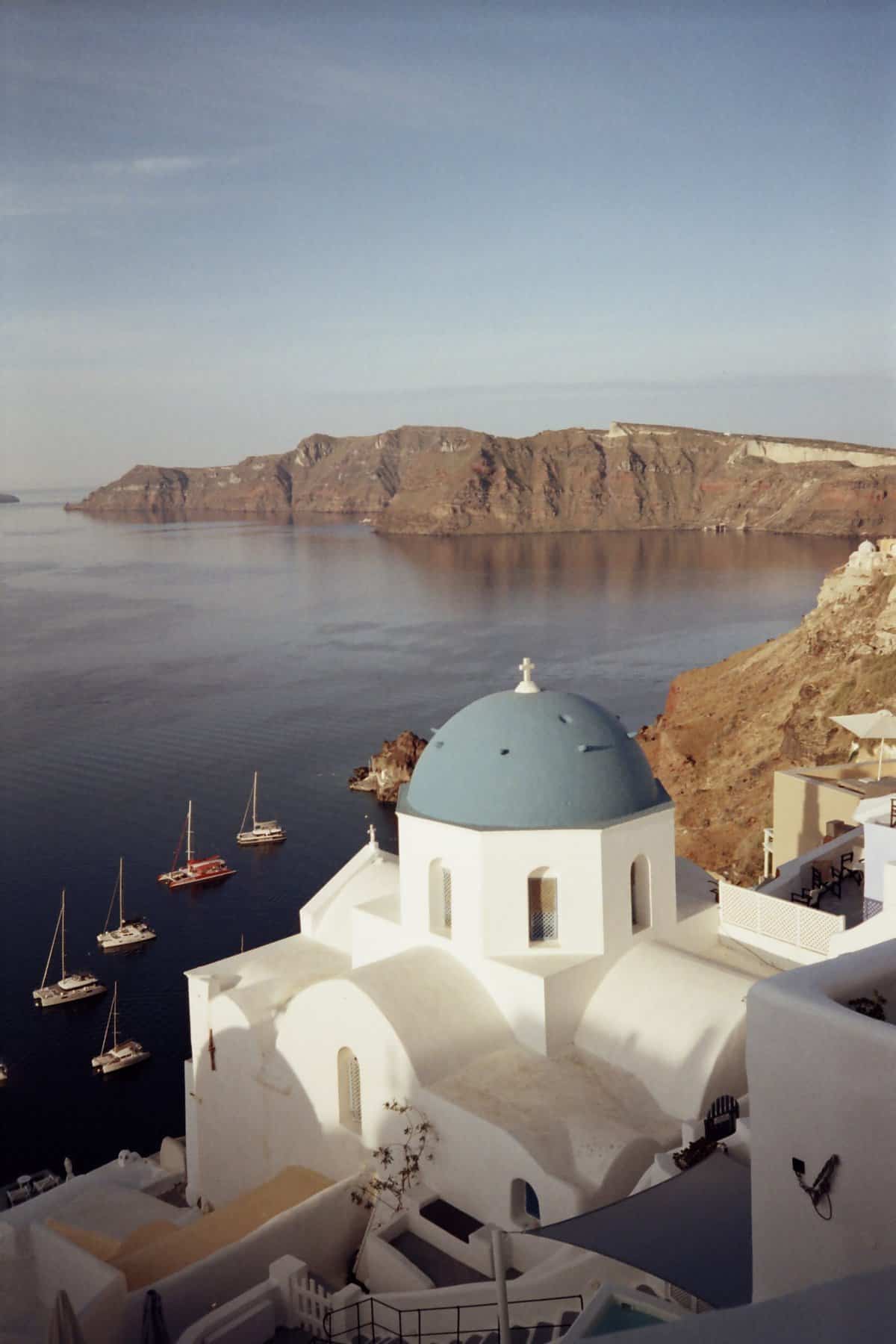
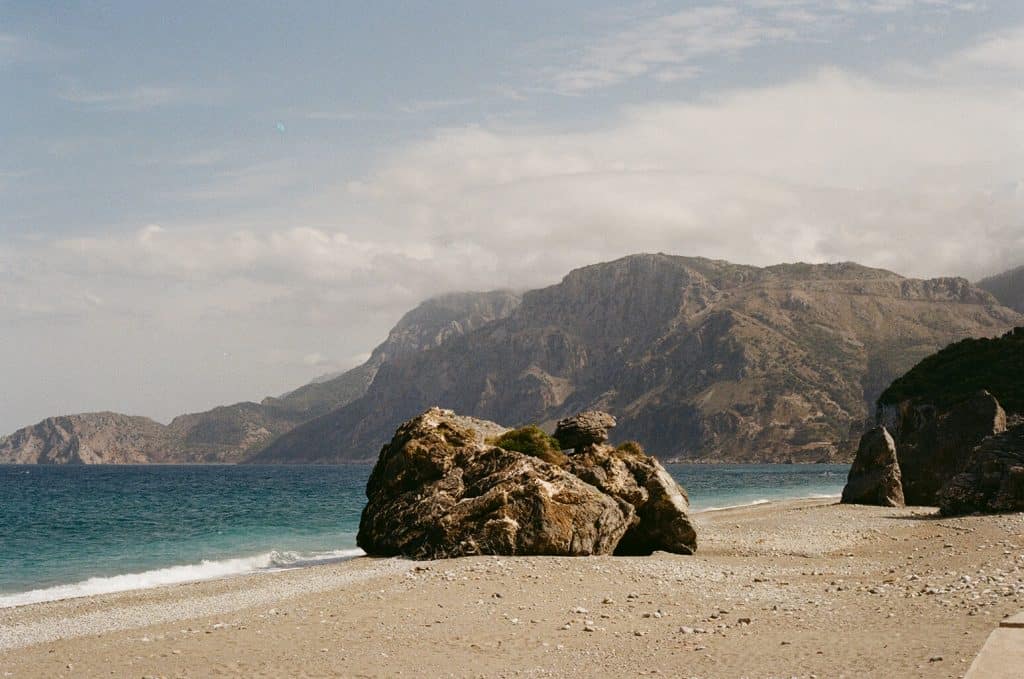
Over the past four years, I’ve visited more than thirty islands and countless places on the mainland. Still, a few stand out: Karpathos, Amorgos, Patmos, Lefkada, and Hydra. And on the mainland, the Foloi Forest in the Peloponnese left a deep impression. It’s the largest oak forest in Europe, vast and silent. I also love Arcadia, Metsovo, and, of course, Meteora. But I haven’t seen everything yet, ask me again in a year, and I might have new favourites!
When we caught up in Exarchia, you mentioned it being easier to reach the ‘inner circle’ in Athens than Moscow. Can you tell me about that again?
In Athens, it’s easier to become part of a creative community. Everything grows through personal encounters, intuition, and shared energy. People are open, collaborative, and free from pretence. In Moscow, creative life often depends on systems of connection; here it feels organic, human. Things in Greece are built on enthusiasm and belief rather than hierarchy, and that’s incredibly refreshing.
You also mentioned that Athenians are less interested in technology…
Athens doesn’t carry the same digital dependency as other major cities. People still talk, meet, and look each other in the eye. This atmosphere aligns perfectly with the philosophy of film photography, being present, sensing rather than scanning reality. Technology is finding its place here, but at a slower, more human pace, which I find comforting. It doesn’t replace connection, it complements it. Artists like Maria Mavropoulou are wonderful examples of how modernity here can remain deeply human.
In Moscow, creative life often depends on systems of connection. Things in Greece are built on enthusiasm and belief rather than hierarchy, and that’s incredibly refreshing.
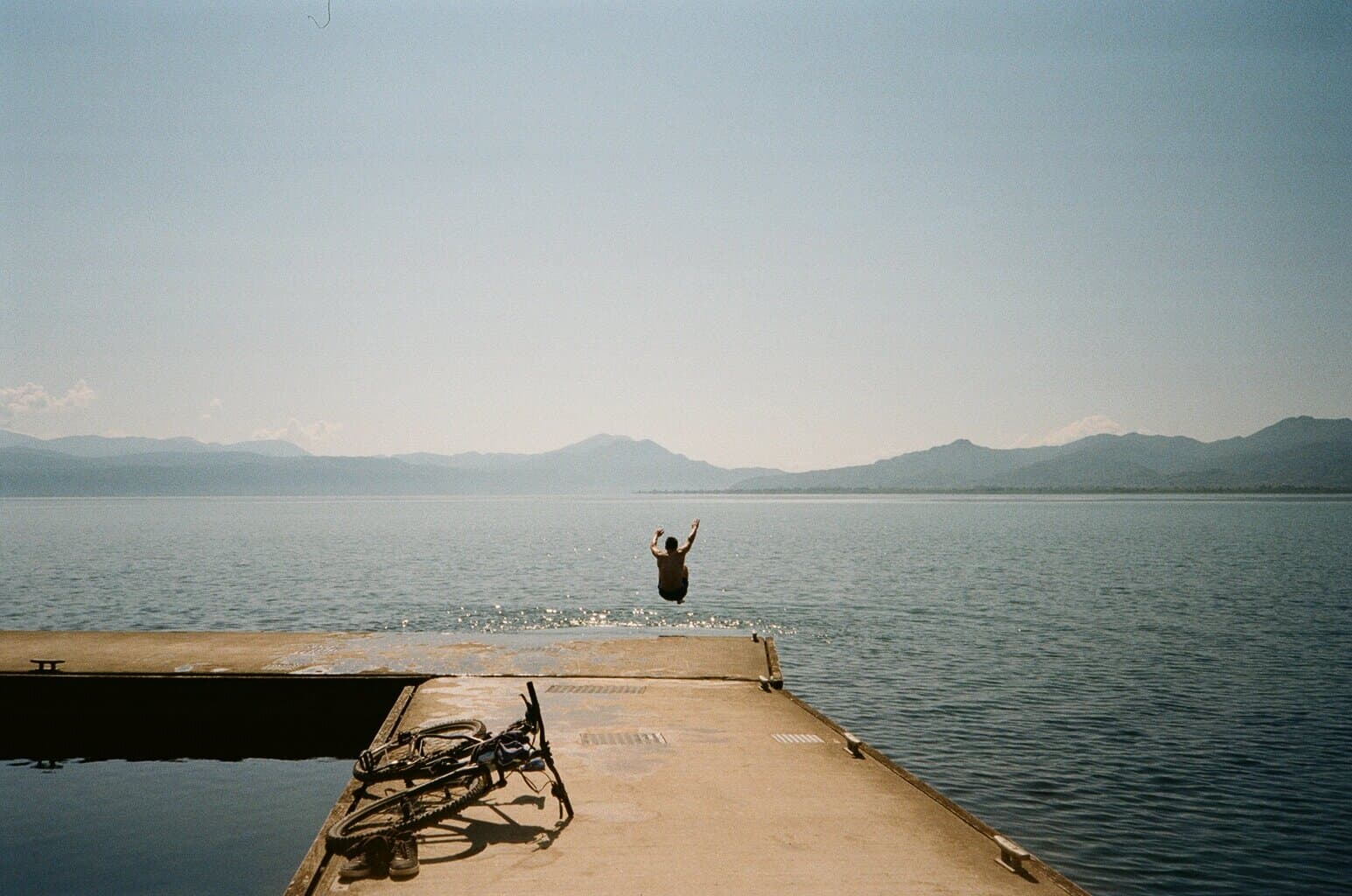
As a Russian, since the beginning of the war, is it more difficult to travel and move around?
Traveling to Europe, the UK, and the US has always been challenging if you do not have a passport that grants visa-free entry. With a Russian passport, you can still travel without visas or with a visa on arrival to more than 100 countries worldwide, which is quite good, including Turkey, the UAE, Thailand, Egypt, Serbia, and from 2025 even China, as well as many other countries. But if you want to get a visa for the EU, the US, or the UK, then yes, that has become much more difficult lately.
Greece and Russia are both Orthodox—what other cultural traits do they share? Have any aspects of this shared culture made for an easier experience in Greece?
Of course, Orthodoxy is the most visible link, but I don’t think I’ve ever seen myself as a ‘typical Russian’, as I changed homes so many times. Russian culture became part of me consciously, later in life. As a child, I didn’t feel entirely Russian, our food, traditions, and rhythms were different. In many ways, I find more similarities between Greeks and Azerbaijanis: the warmth, the noise, the generosity of spirit.
Moving to Greece felt less like relocation and more like returning to something familiar, the flavours, the light, the human openness.
Historically, the ties between Russia and Greece run deep, political, spiritual, and cultural. From Ioannis Kapodistrias’ role as Russia’s foreign minister before becoming Greece’s first governor, to the long presence of Pontic Greeks in the Black Sea region, our histories have often intertwined. Even today, the Russian community in Greece remains significant. You can even take a driving exam here in Russian, alongside Greek, English, and Albanian.
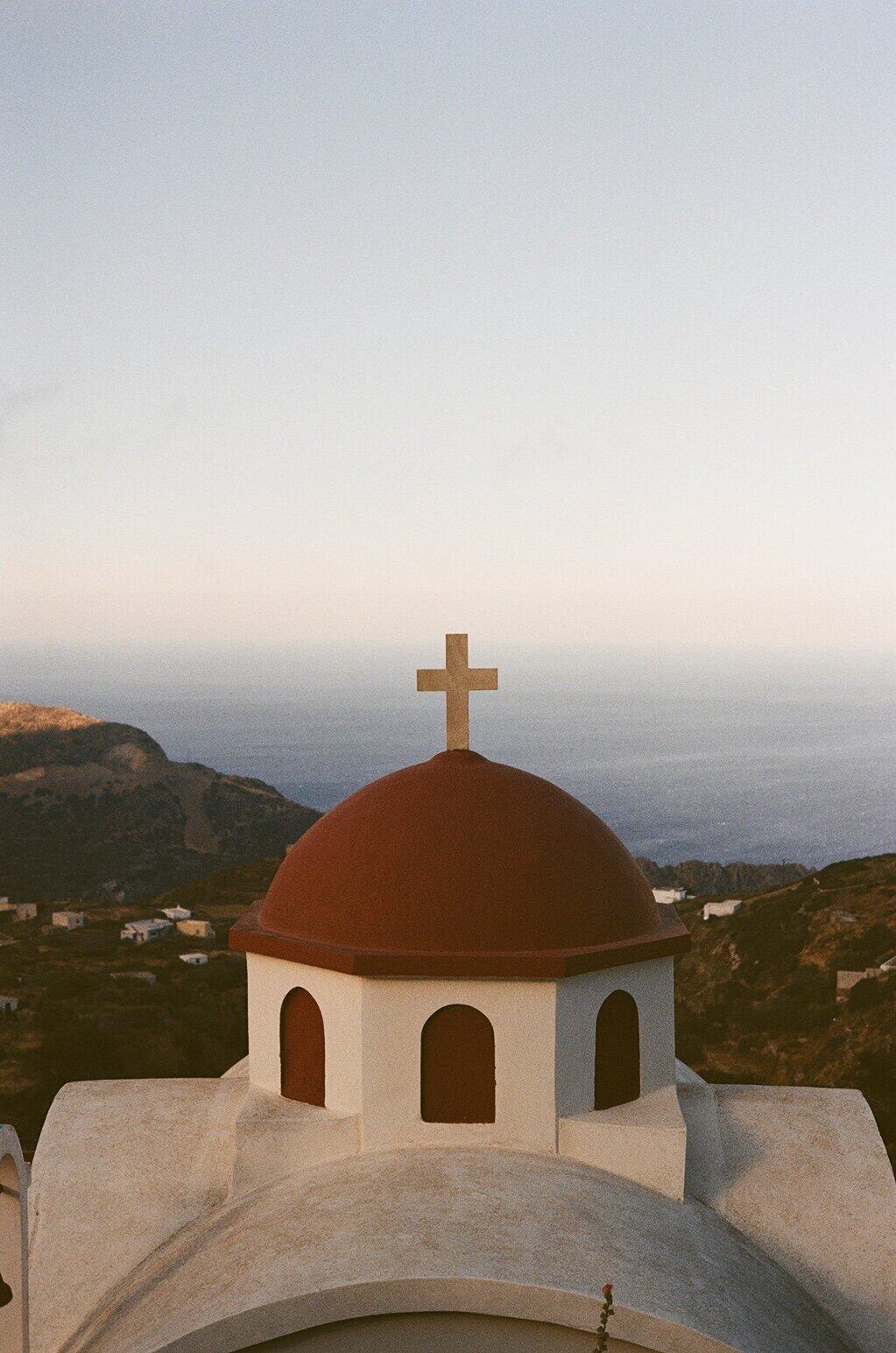
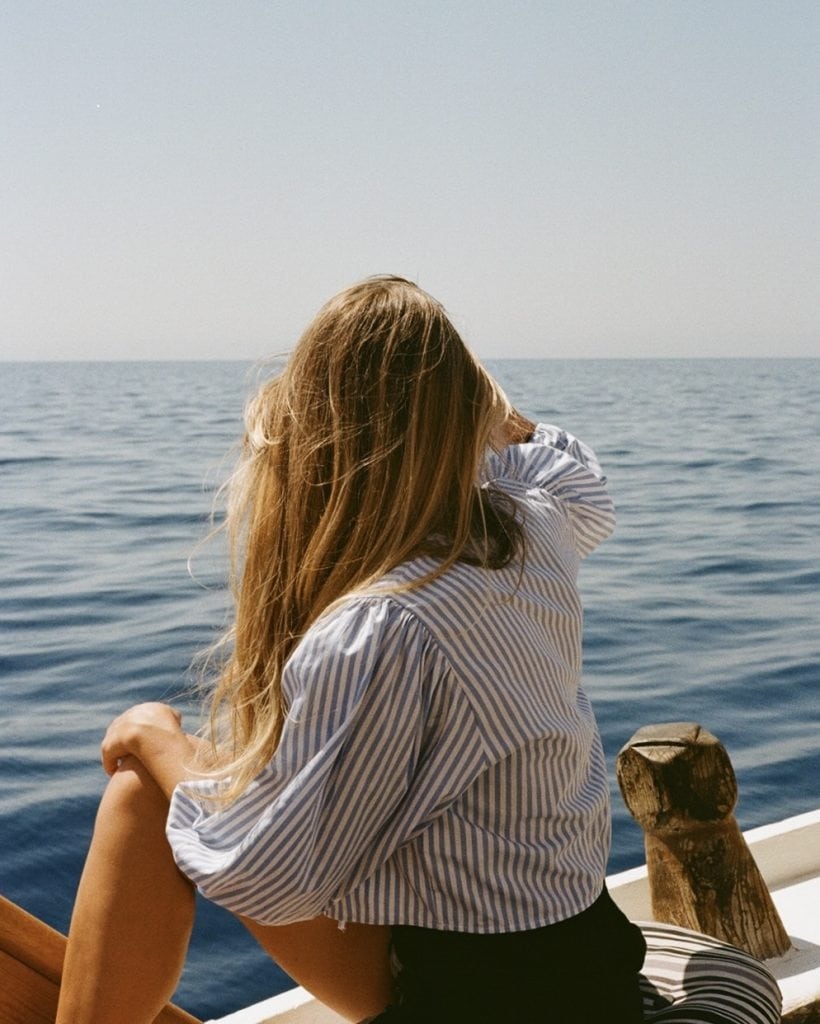
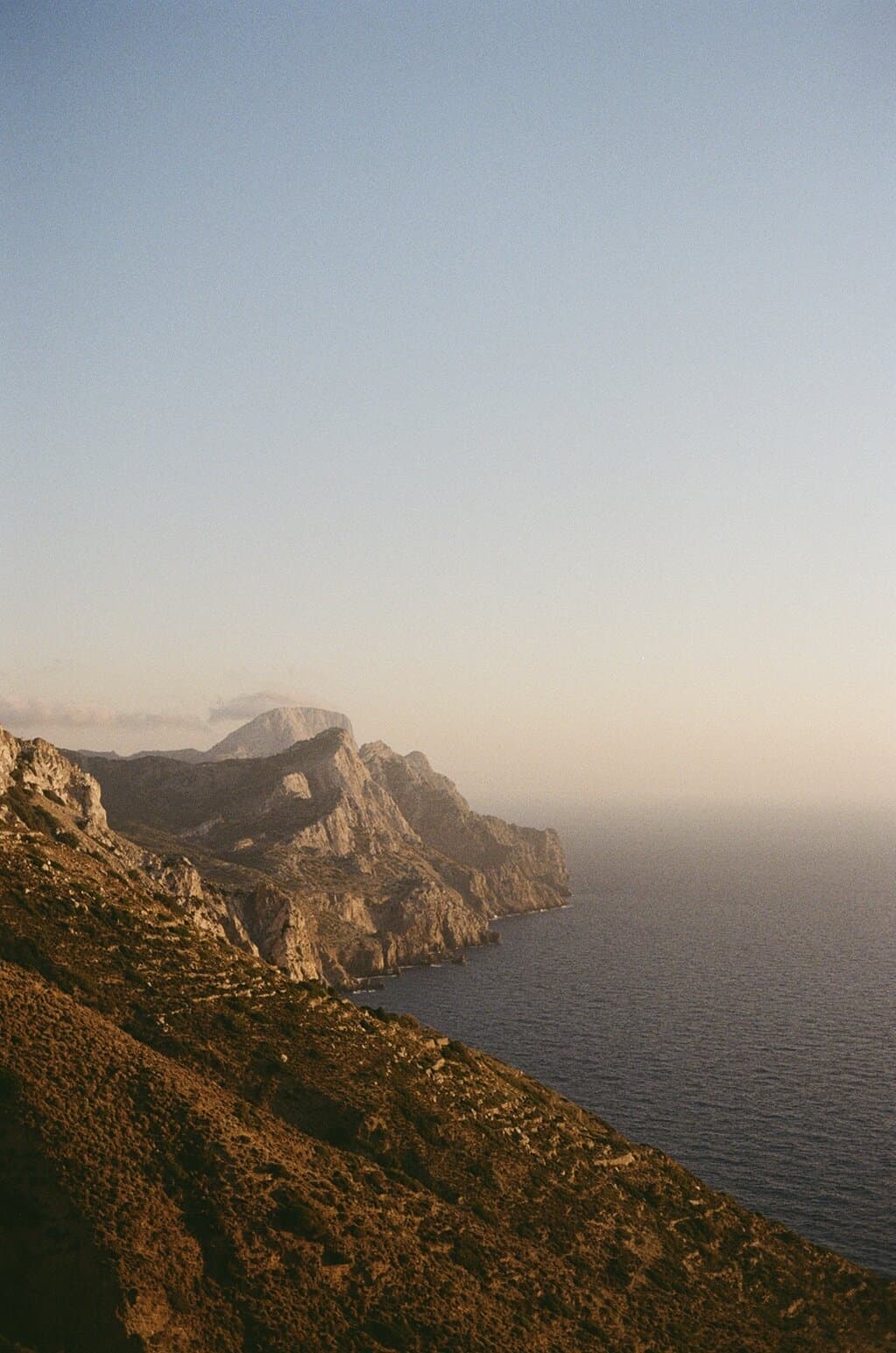
Who is your favourite photographer?
Photography is too vast to name just one, but Henri Cartier-Bresson holds a special place for me. His sense of timing, his ability to turn reality into poetry in a single frame. That’s the essence of visual honesty. Among Greek photographers, I deeply admire Nikos Economopoulos for his sensitivity to people and his way of finding poetry in everyday life through documentary realism.
Who is your favourite Greek artist, in any medium?
Among Greek artists, I feel closest to Takis. His work combines intuition and science, poetry and physics. He managed to turn energy, magnetism, sound and light into a language of its own, where matter seems to breathe. I love how he treated space not as a background but as a living field of interaction.
His objects seem to capture invisible vibrations, and there’s something spiritual in that. Takis explored the boundary between the visible and the invisible, the rational and the mystical, it’s something I also seek in my photography, in that subtle zone between light and shadow.
What is it you most love about Athens?
I love Athens for its layers, where ancient and modern life coexist without effort. For its light, which seems to touch everything with meaning. For the possibility of having coffee by the sea in the morning and watching the city glow from a hill at sunset. For the people, their humor, warmth, and love of life. But most of all, I love the sense that time moves differently here. It doesn’t rush — it lingers beside you.
What is it you most miss about Russia?
Honestly — my family. And the banya. I love the ritual of it, the heat, the scent of birch, the slow rhythm of conversation and silence. It’s one of the few traditions that feels like both cleansing and belonging at once.
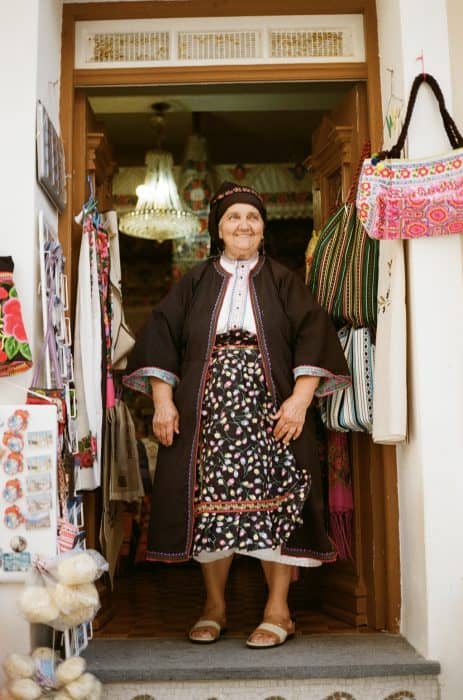
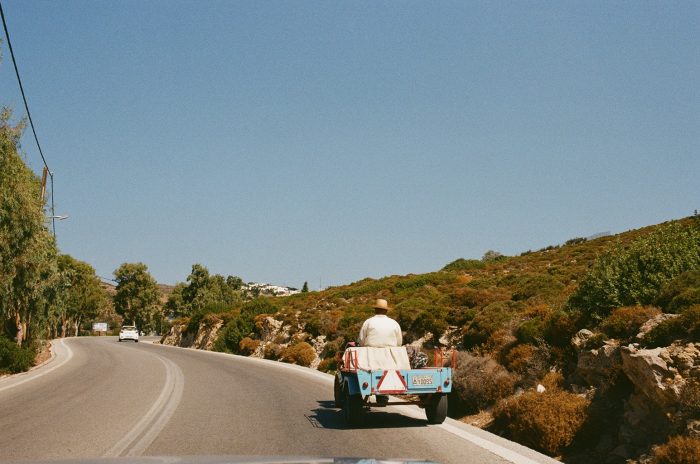
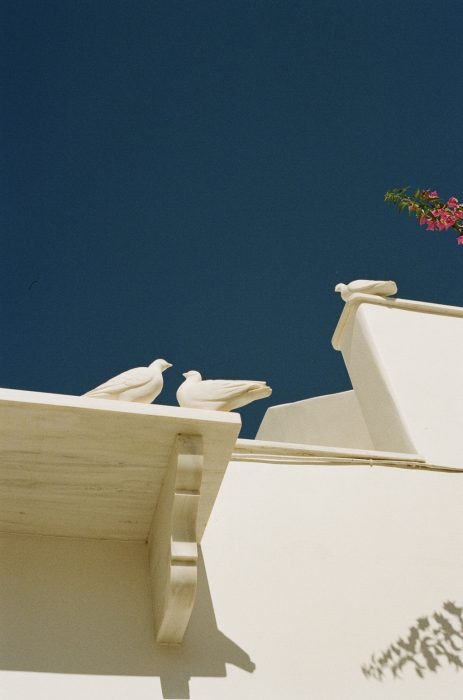
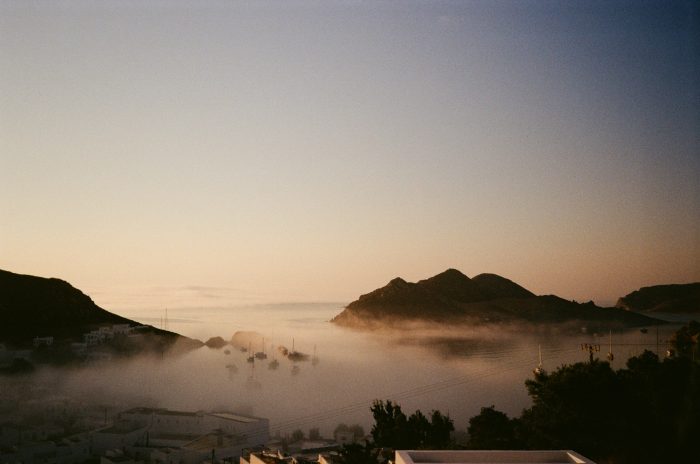
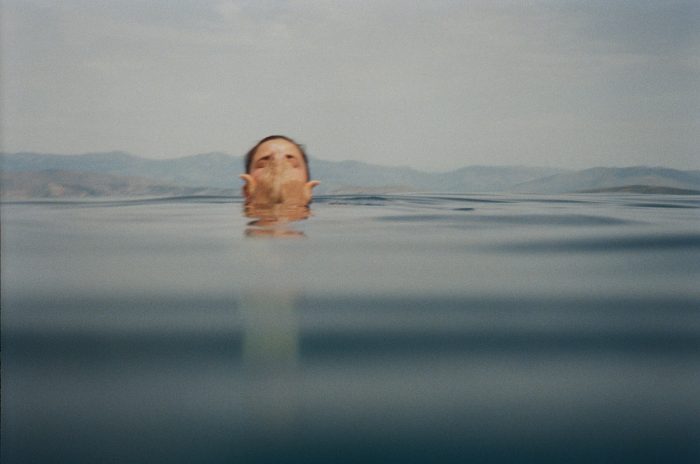
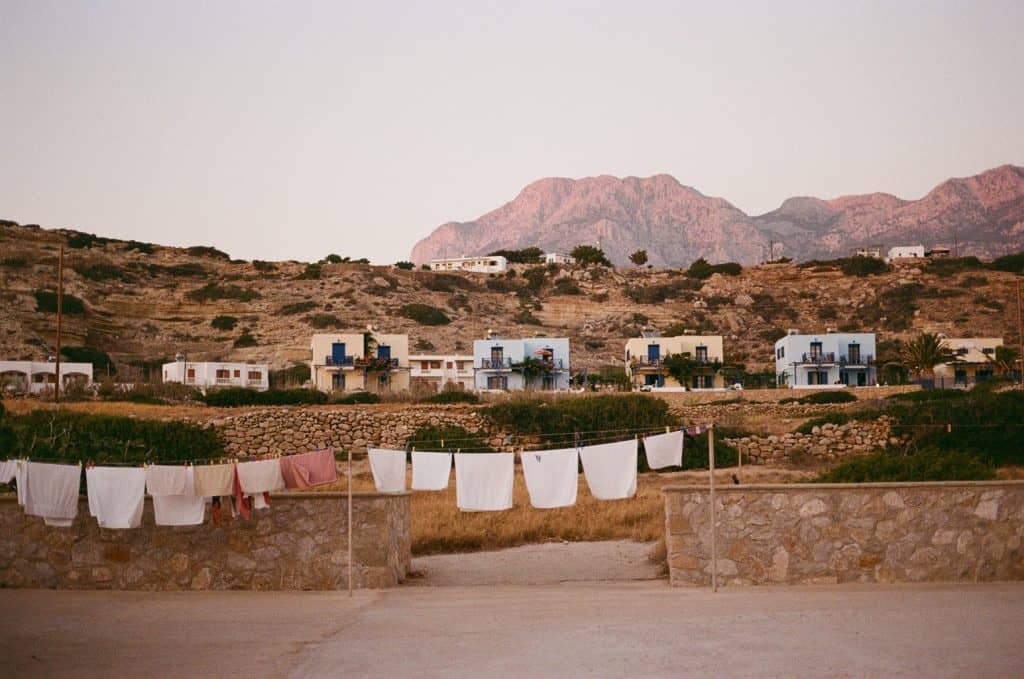
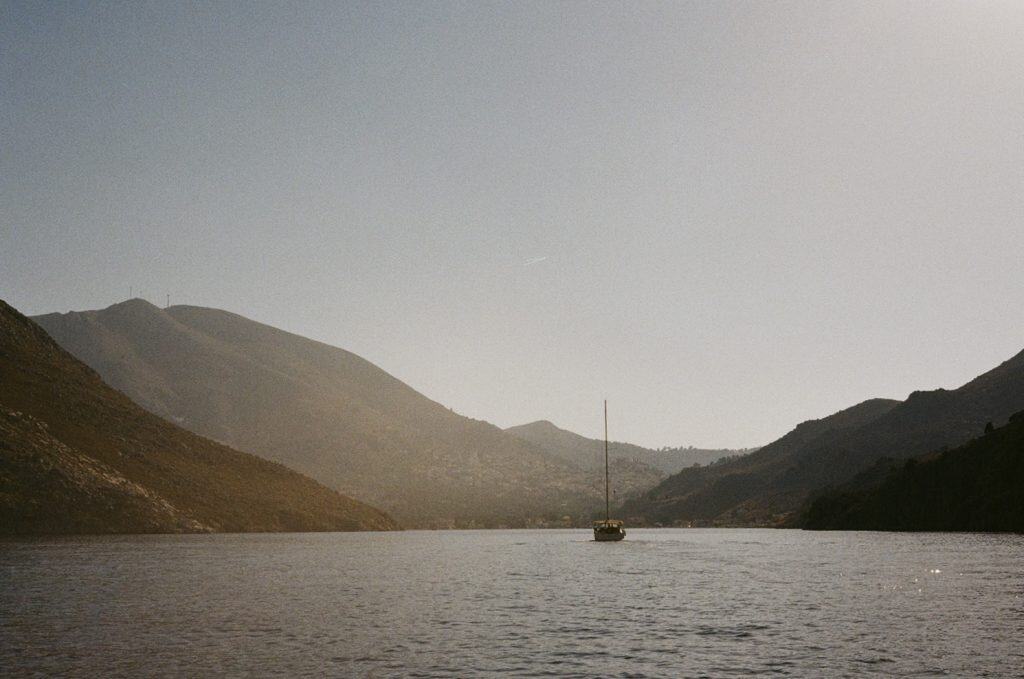
Photography © Yulia Koval
Follow Yulia on Instagram
yuliakoval.com